Getting Your Curing Right: The Truth About Gallium Iodide Lamps
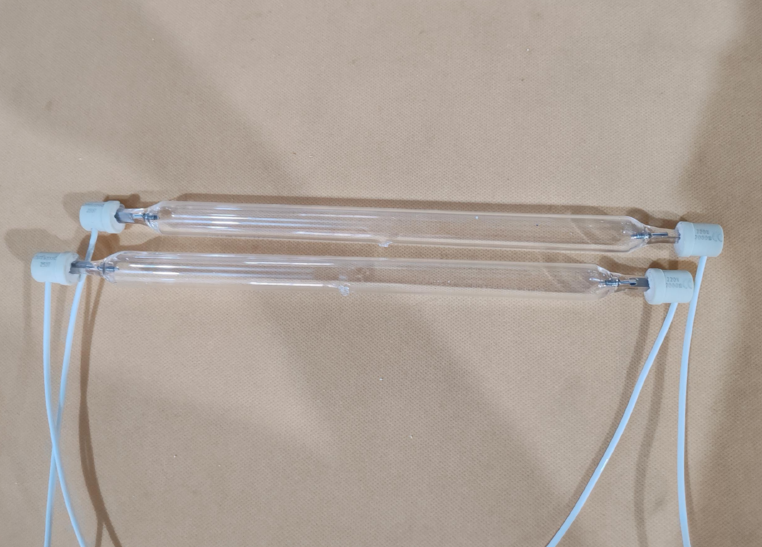
If you’ve ever dealt with thick coatings or heavy pigmented inks, you know the frustration. You run the line, the surface looks dry, but the second you touch it? It’s still tacky. That “surface-only” cure is a nightmare for anyone trying to keep a high-speed line moving. That’s why we build our Gallium Iodide lamps. Standard mercury lamps just can’t punch through the thick stuff. By adding gallium to the mix, we shift the light spectrum (specifically in that 300nm to 420nm range). The result? The UV light actually reaches the bottom of the coating. Everything hardens all the way through. We spend a lot of time tweaking the gas pressure, too, so you don’t get “dead spots” along the tube. It stays consistent from end to end. The build matters. We use high-purity fused quartz for the glass. Why? Because these things go through a lot of thermal shock when they kick on. Cheap glass cracks. Ours doesn’t. We also use tungsten electrodes so you aren’t replacing burnt-out lamps every few weeks. But here is the catch: these lamps gethot. Like, really hot. If you’re running them at full tilt, you can’t skimp on your cooling. Whether you use fans or water jackets, make sure they’re up to the task. We’ve seen plenty of tubes die early simply because someone blocked the airflow in the housing. Keep them cool, and they’ll last. Will it actually work in your setup? For the most part, these are drop-in replacements for your current UV arrays. We care about the actual power hitting the surface (the irradiance). In fact, if our lamp doesn’t match the output of a top-tier brand at the same price, we’ll just give you your money back. Simple as that. Just do me a favor:check your ballast first. Gallium iodide lamps don’t “behave” the same way mercury lamps do when it comes to impedance. If you plug them into an undersized ballast, you’ll get flickering or a weak cure. Match your voltage and current specs exactly. If you don’t, you’re just asking to blow the electrodes.