Making Gallium Iodide UV Systems Actually Smart
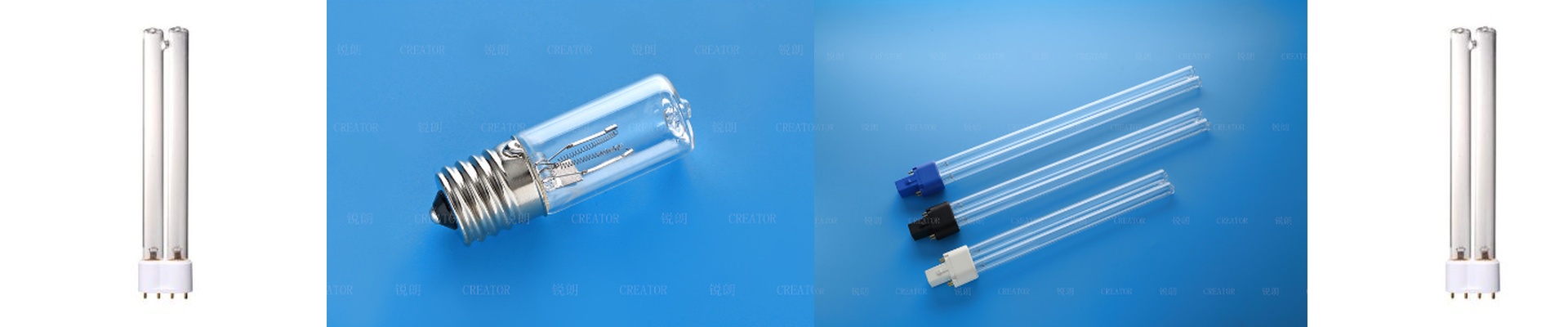
Gallium iodide lamps are great for high-precision curing and sterilization because they hit those specific UV-C peaks you need. But let’s be honest: the bulb itself is only half the story. We’re moving past the “plug it in and pray” phase. Now, we’re building these lamps with remote monitoring, so you can see exactly how much power they’re drawing and when the light starts to fade in real-time.
The nitty-gritty of the physics
These lamps use a gallium-doped halide fill to shift the spectrum. In plain English? They hit wavelengths that your standard mercury lamps just miss. When you’re setting these up on a production line, the big worry is stability. If your voltage jumps around, your curing time drifts. That’s a nightmare for quality control. That’s why we’ve leaned so hard into smart monitoring.
Stop guessing with handhelds
Most shops I visit are still using handheld radiometers to check UV intensity. It’s a slog. You’re walking around, taking manual readings, and hoping you didn’t miss a spot. We’re swapping that headache for integrated sensors that talk directly to your central PLC. Now, you’ll know a lamp is starting to burn out**before**the product fails inspection. Plus, you get a real number on your energy efficiency per unit. No more guessing.
The trade-offs (because nothing is perfect)
Here’s the thing: adding this hardware means the lamp housing gets a bit bigger. You can’t just slide these into an old fixture and expect them to fit perfectly—you’ve got to check your clearance first. And since UV radiation is brutal on electronics, we have to shield the sensors heavily so they don’t fry. Even then, you’ll still want to calibrate them every six months just to be safe.
Keeping the line moving
We build these for the 24/7 grind. By wiring everything into a monitoring grid, you stop replacing tubes based on a calendar or a “feeling.” Instead, you swap them based on actual lumen depreciation. It cuts down on waste, saves you money, and—most importantly—keeps the line moving without any surprise shutdowns.