Getting the Most Out of Your UV Lamps for Textile Printing
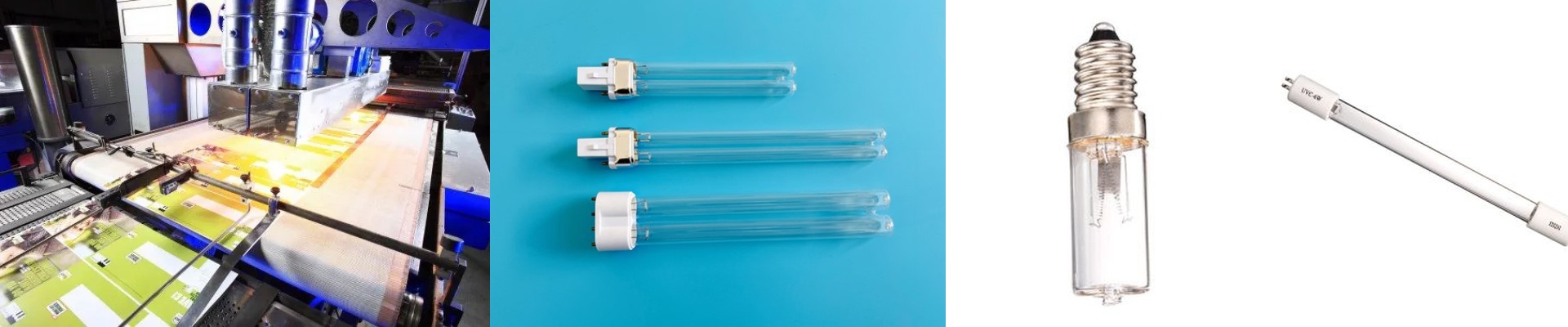
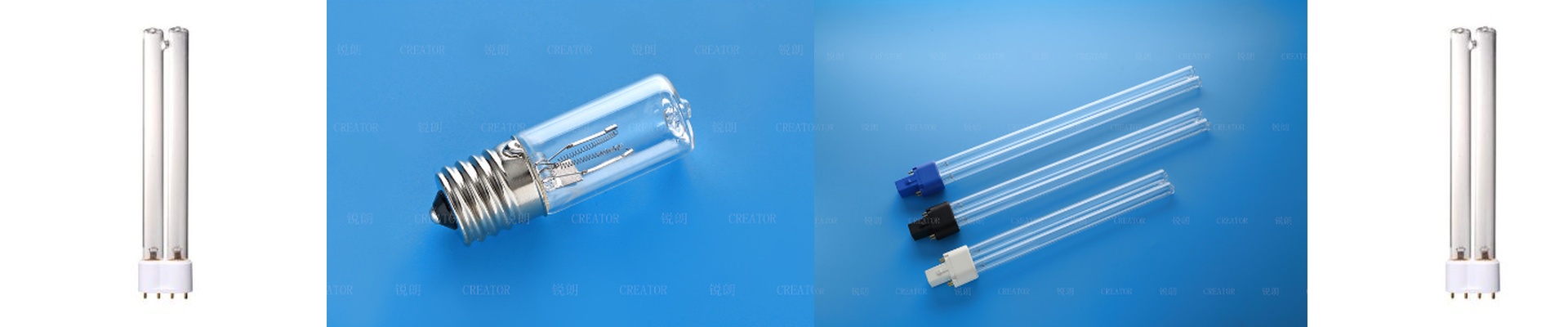
When you’re printing textiles, your UV lamps have to pull double duty: they need to kill the germs and cure the ink. We’ve dialed ours in to hit that 253.7nm sweet spot. Why? Because it’s enough power to rip through contaminants, but not so much that it scorches your fabric.
Let’s talk about power
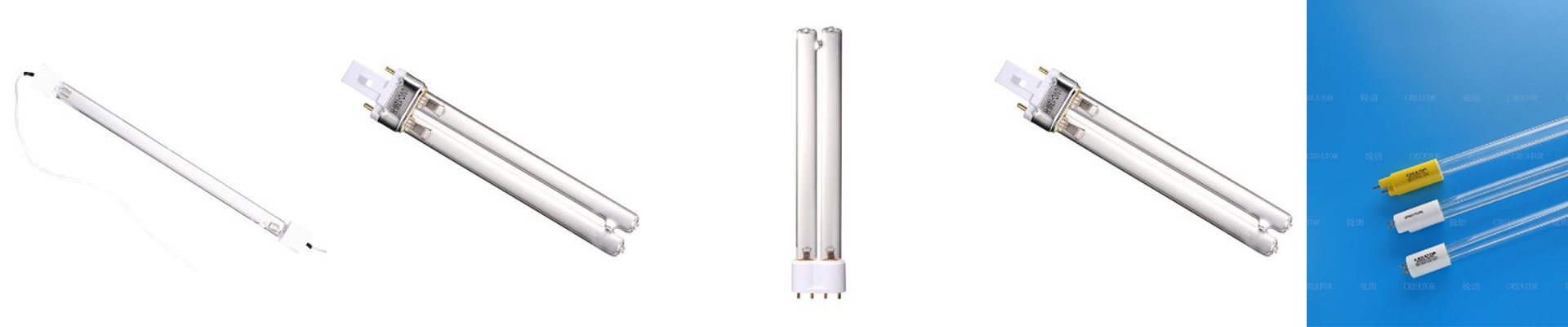
Saving energy isn’t about just cranking down the wattage—that’s a rookie mistake. It’s actually about making sure every single watt is doing its job. We use high-purity quartz glass for the tubes. It stops the light from getting trapped inside the glass and turning into wasted heat. Instead, the UV-C radiation shoots straight out. It’s a tighter, faster hit. And because it works faster, you can actually shrink the size of your drying line. Just a heads-up: keep an eye on your conveyor speed. If the fabric crawls too slowly under that intensity, you’re going to end up with yellowing. No one wants that.
Keeping the lamps alive
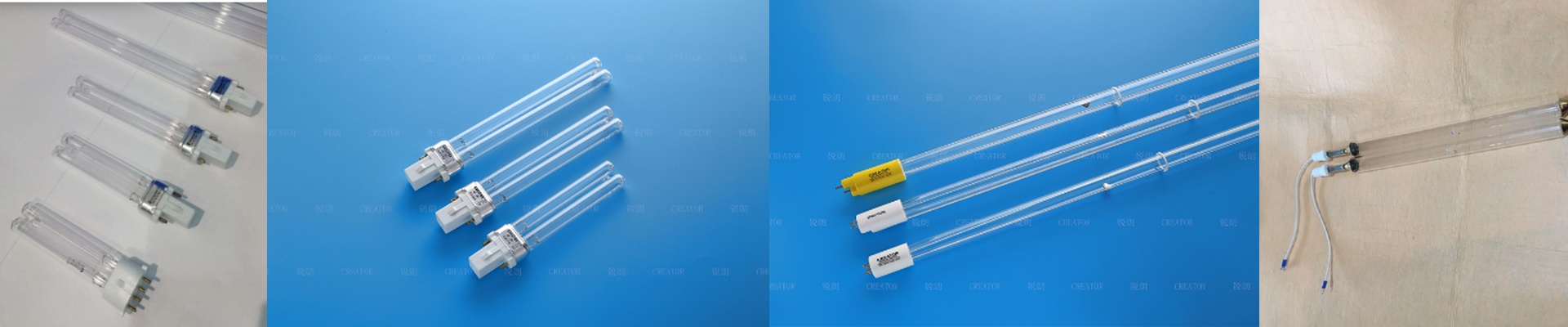
We use low-pressure mercury vapor to keep your electric bill down. But the real secret is in the electrodes. We treat them to stop “sputtering”—that annoying process where the tubes dim over time. They’re built to last, but they aren’t invincible. Your ballast needs to give them a clean start. If you’ve got voltage spikes hitting your system, you’ll fry those electrodes way sooner than you should.
Fitting them into your line
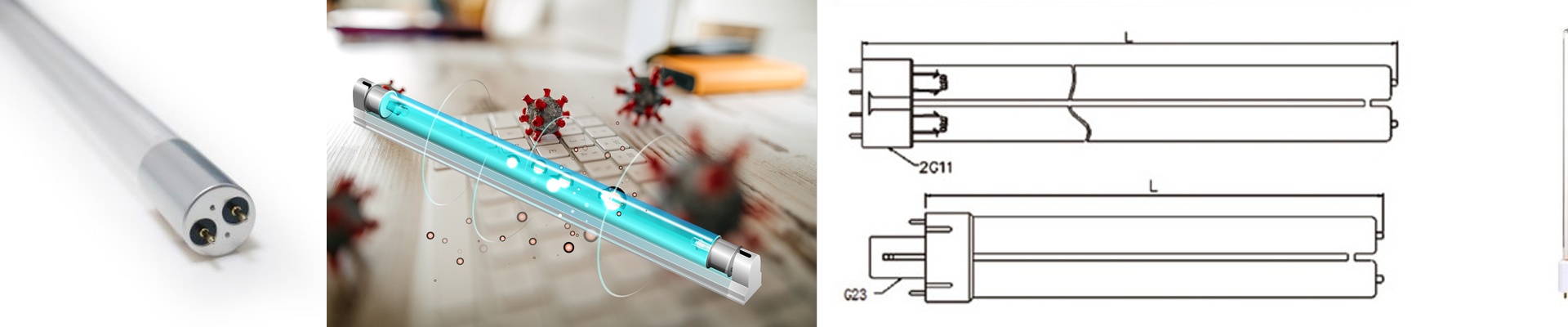
These are basically drop-in replacements for your standard arrays, so they’re easy to swap. But here is the thing: even “energy-saving” lamps create heat. When that UV output hits the fabric, it creates a thermal load. If you don’t have a cooling fan or a decent air gap, the heat builds up. When that happens, the wavelength can actually shift, and your sterilization efficiency just drops. One last tip? Make sure your ballast matches the tube’s wattage exactly. If you overdrive the arc, you’re just asking for trouble.