Introduction
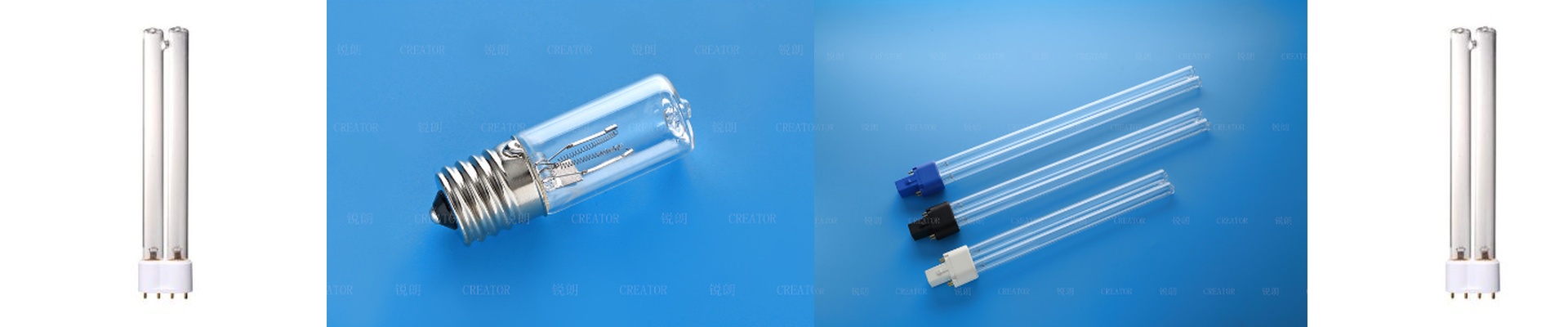
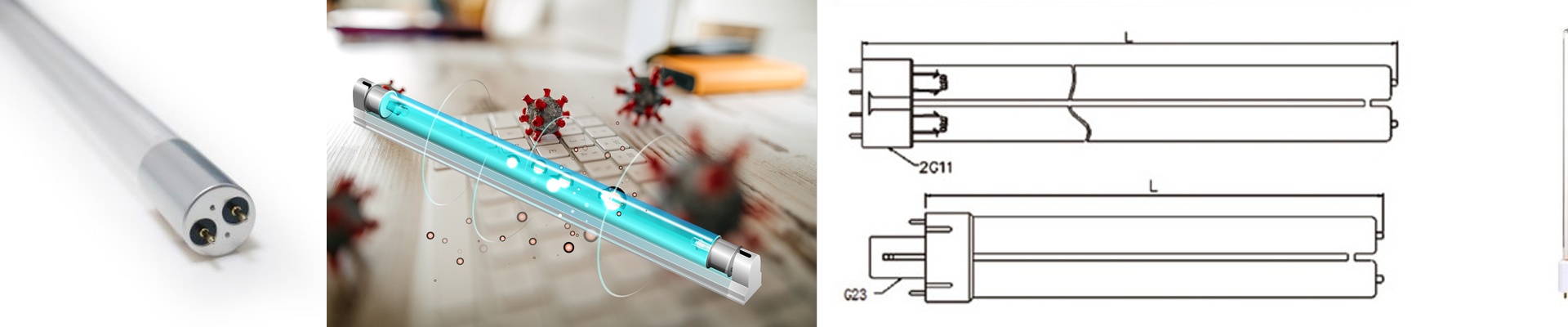
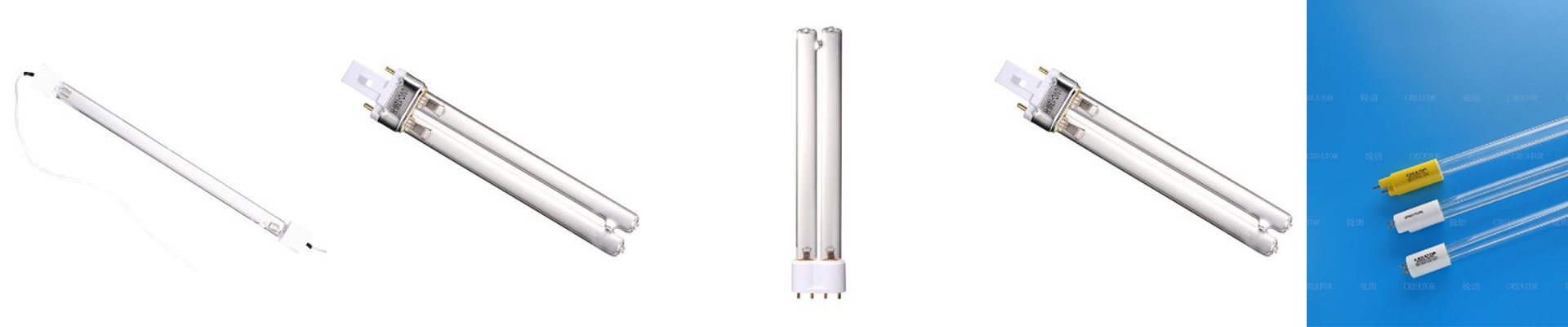
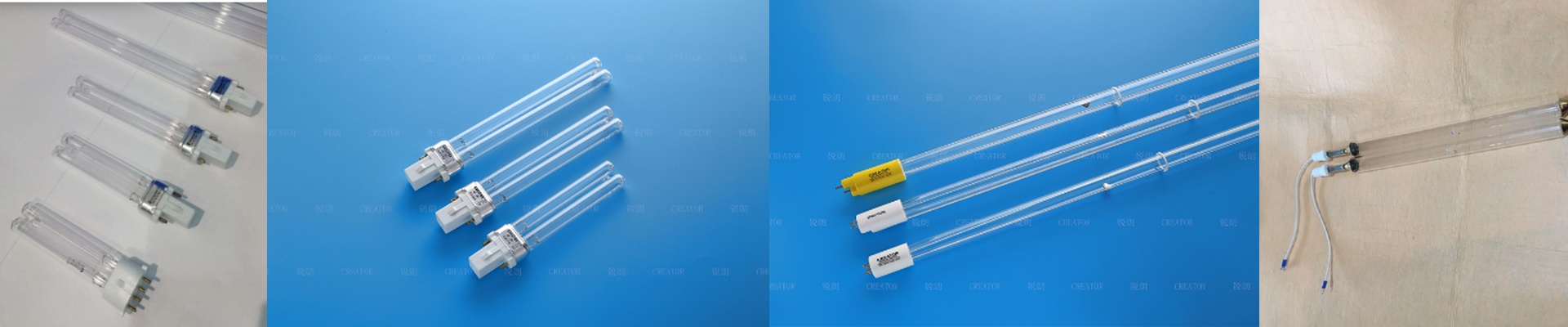
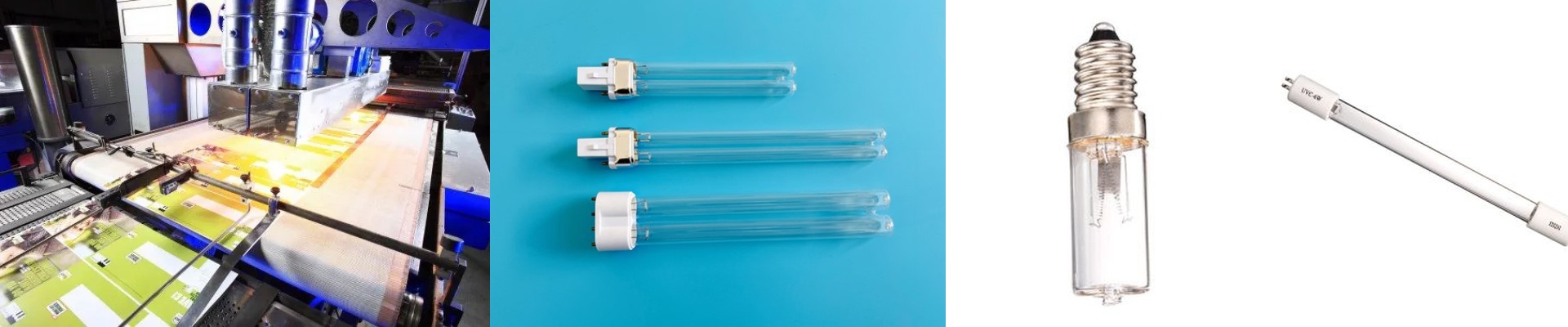
We built this ozone-free UV germicidal lamp for the KTK elliptical line because the job is brutal. It has to fire up, hit full power, then shut down—over and over—for flash drying. Most UV lamps just can’t handle that kind of rapid on/off beating. They crack, flicker, or burn out fast. So we set out to build something different: a custom lamp designed for one thing—industrial reliability when it has to start and stop again and again.
Power, Voltage, and Starting Stress
Here’s the thing about frequent starts: they’re the hardest thing a UV lamp will ever face. The electrical and thermal stress is off the charts. So we built this to take it. We paired a tough ignition circuit with a high-voltage 400V design. That higher voltage lowers the current during operation, which means less heat in the wiring and steadier electrodes—even after hundreds of starts. We also sized the wattage for fast, high-intensity output, because flash drying needs that power. But that power comes with heat. If you’re running this hard in a tight machine footprint, the surrounding electronics and housing need room to breathe. Plan your cooling and spacing with that in mind.
Material & Design: Built for the Beating, Controlled for Ozone
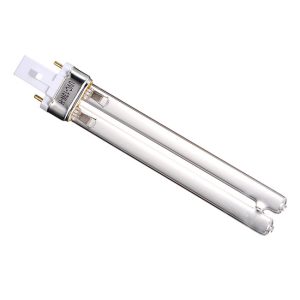
The secret to surviving repeated starts is in the guts: the electrodes and the quartz envelope. We reinforced the electrodes so they can take the shock of repeated strikes. We tuned the gas fill and pressure, too, so the lamp warms up fast and stabilizes quickly after each start. The quartz is chosen for strong UV-C transmission, and we coated it to block ozone. That means you get safe, ozone-free performance—even in occupied spaces. And the connector? It’s built for industrial life. It mounts cleanly, makes solid contact, and stays that way. No wiggle. No arcing, even when things get shaky.
Application & Benefits: KTK Flash-Dry Cycles
On KTK elliptical machines, the flash-dry cycle is relentless. Start. Full output. Shut down. Start again. This lamp was born for that rhythm. It takes the beating without wearing out the electrodes early or giving you unstable output. For engineers, that means fewer failures out in the field and cycle times you can count on. It drops right into the existing footprint, wires up cleanly, and keeps delivering steady UV-C through the machine’s high-frequency routine. Just remember: it’s powerful, so it runs hot. Make sure your chassis ventilation matches the duty cycle.