UV Halogen Lamps for Semiconductor Lithography: Power, Precision, and Process Control
We built these UV lamps for one reason: semiconductor lithography is a beast. It needs heat you can count on, over and over, with an output that just doesn’t wobble. You need a heat source that stays rock-steady on the wafer stage, holds tight tolerances, and doesn’t quit early.
Power, Voltage, and Size—What It All Means for You
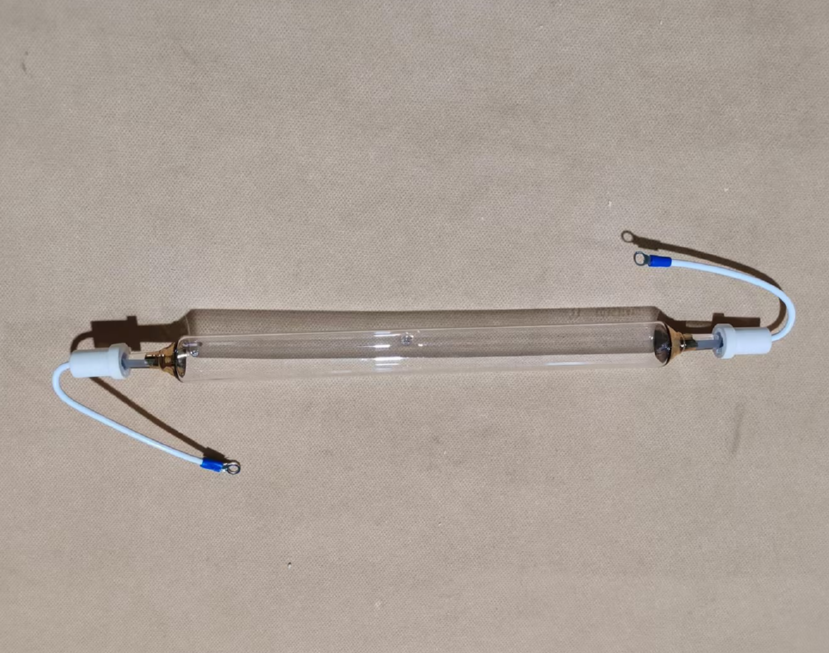
We run the arc off a 400V high-voltage supply. Why? Because it keeps the ignition reliable and the operation steady, even when you’re cycling the lamp on and off between wafer runs. The 2500W rating isn’t a number on paper—it’s the muscle you need to hit that sweet spot of heat density for photoresist exposure. And the 300mm length? That’s intentional. It lines up with standard stage and lamp-house setups, so you can slide the unit in without re-engineering the whole chamber.
Materials and Design: Keeping It Clean and Tough
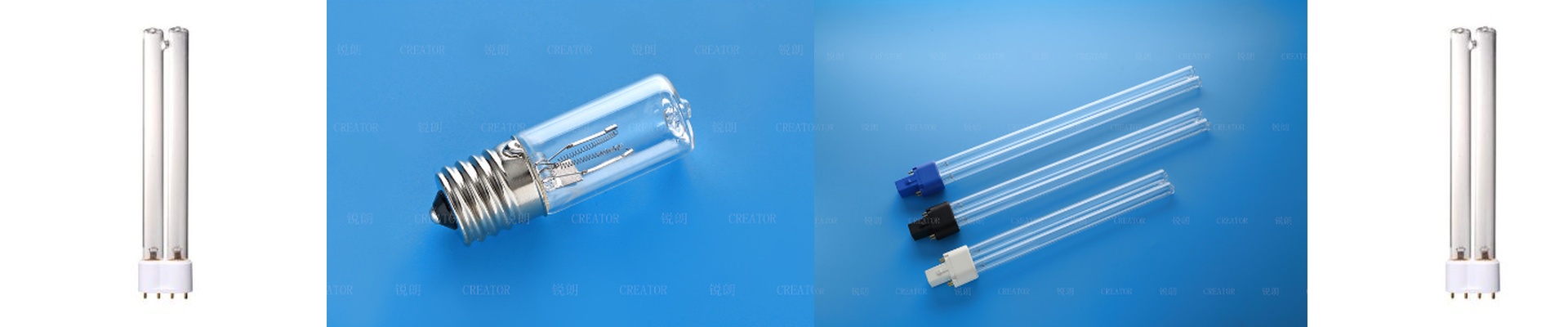
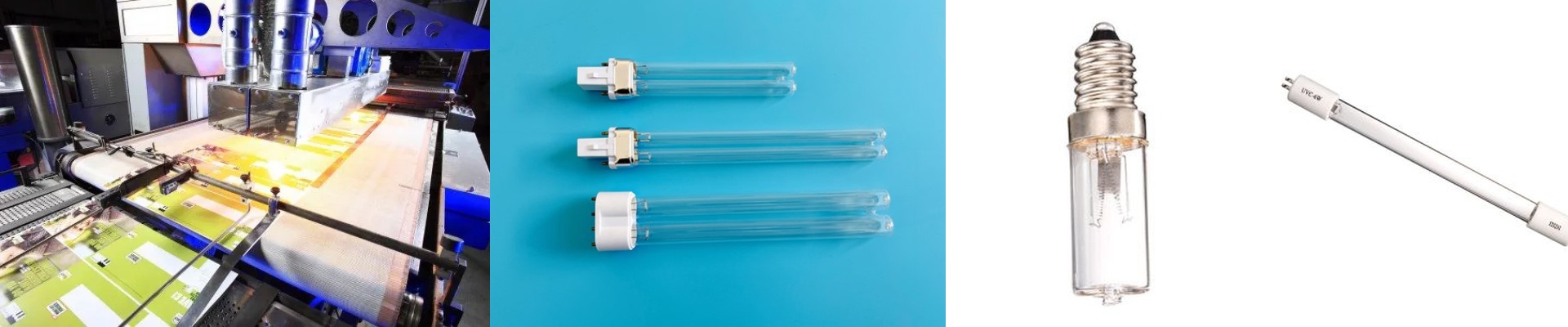
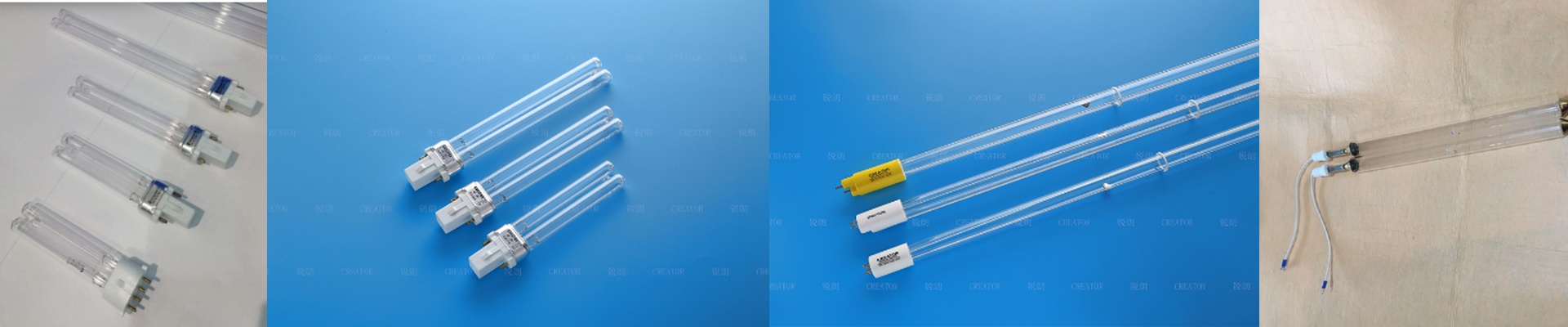
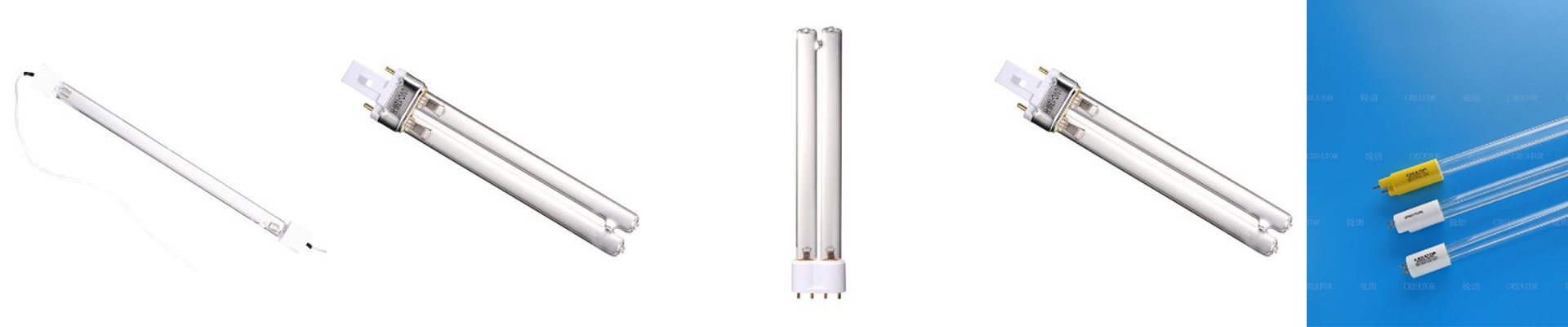
Inside, the halogen cycle does its job inside a quartz envelope, keeping the filament and tube clean while you run. The payoff is simple: consistent UV output, day after day. Quartz handles the heat without softening, and it transmits UV the way it’s supposed to. Then there’s the R7s connector. It’s proven, practical, and locks in fast. It carries high current safely, cuts down on wiring mistakes, and makes replacement quick—no fuss, just get back to work.
Why This Matters on the Lithography Floor
In lithography, lamp stability isn’t a nice-to-have—it’s the difference between tight overlay accuracy and wasted runs. With this setup, you get repeatable heat, a fast warm-up, and a compact footprint. Just one heads-up: that 2500W density is serious, so plan your cooling. Give the lamp house enough airflow and thermal headroom, and it won’t run hot on you.