Getting Your UV Wavelengths Exactly Right
We don’t just put together lamps. We’re basically managing photon energy. In the lab, we obsess over narrow-band output. Why? Because whether you’re curing a stubborn adhesive or killing bacteria for sterilization, the chemistry is picky. If your wavelength drifts by just a few nanometers, the whole process just… stops working.
The nitty-gritty of spectral output
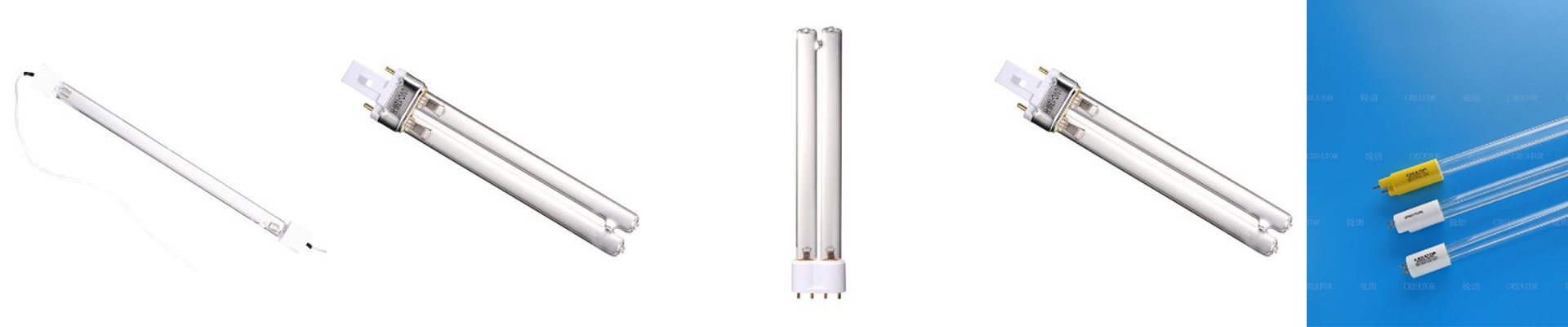
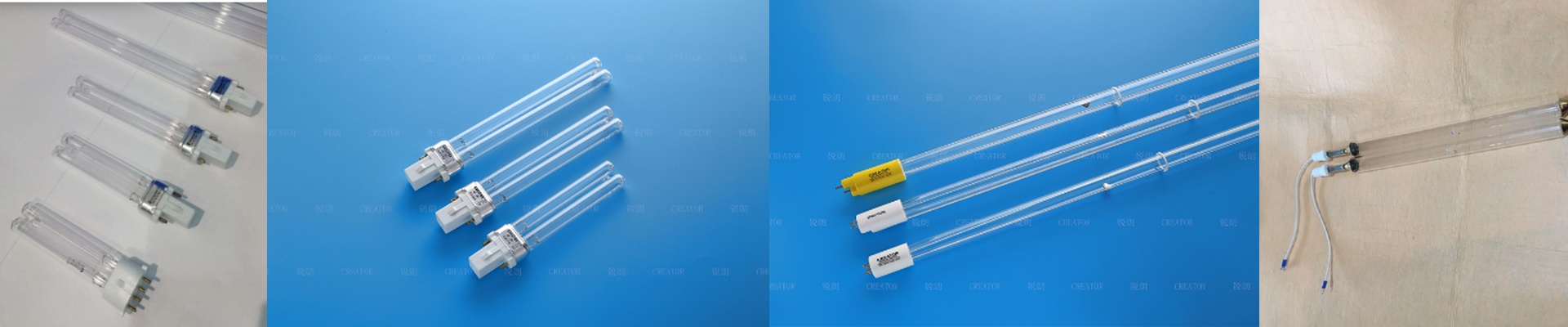
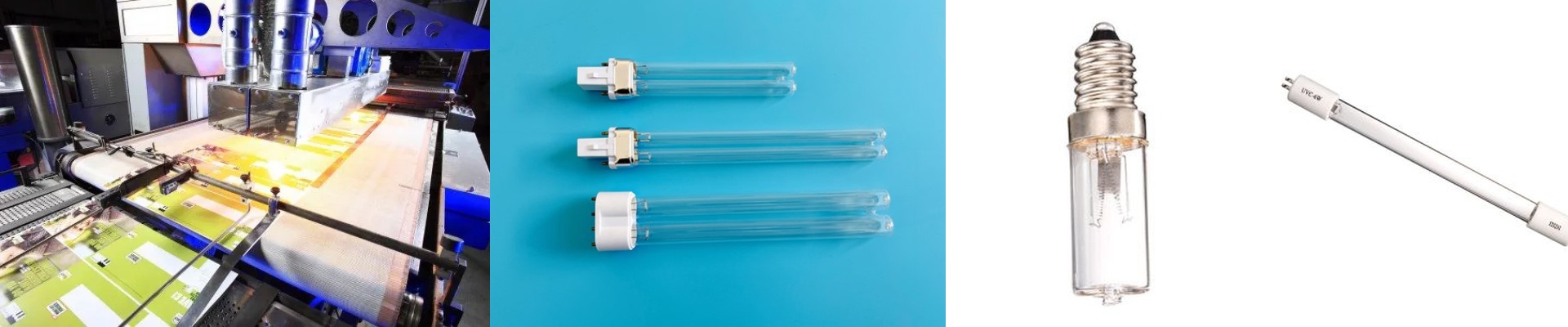
To get the output right, we play around with the gas mixture and the purity of the quartz envelope. Take UV-C. We’re aiming for that 253.7nm peak. To hit that, we use high-purity synthetic quartz. If we didn’t, the glass would actually soak up the energy before it even had a chance to leave the tube. We’re all about maximum transmittance here. Then there’s power density. Sure, cranking up the wattage gives you more photon flux, but it also jacks up the internal pressure. To keep the ends from burning out under all that heat, we use thoriated tungsten for the electrodes. It’s a tough material for a tough job.
Trade-offs and the “heat problem”
The coating we choose acts as our filter. By adding specific dopants to the glass, we can block the infrared (IR) radiation. This is great because it keeps your target surface cool while the UV does the heavy lifting. But you’ve got to respect the heat. Quartz expands when it gets hot. If your mounting brackets are clamped down too tight, the tube will literally snap during a thermal cycle. It’s a nightmare. We always suggest using flexible floating mounts so the glass has room to breathe.
Plugging it in
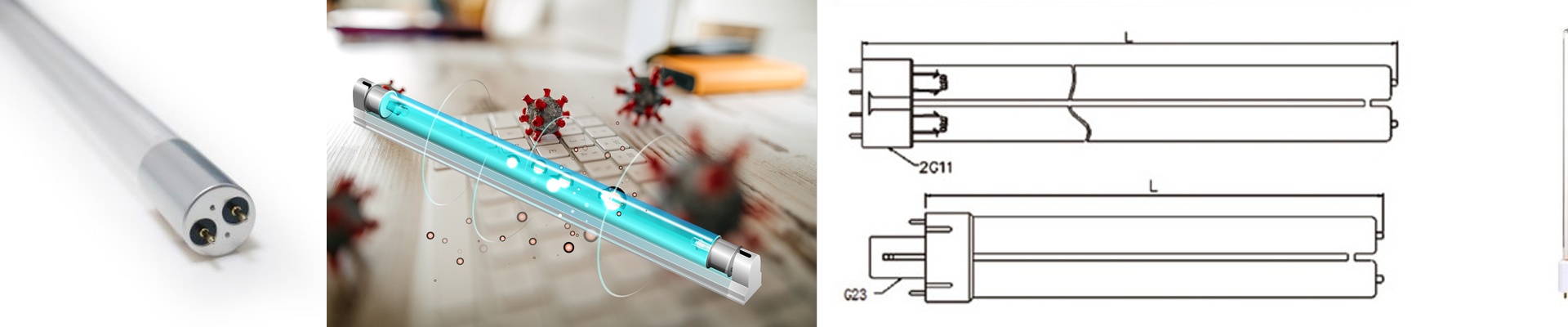
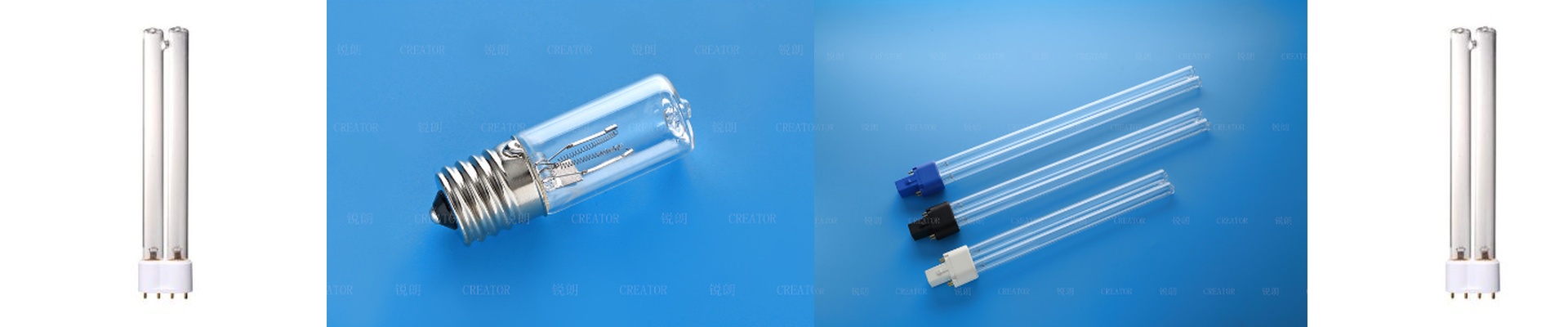
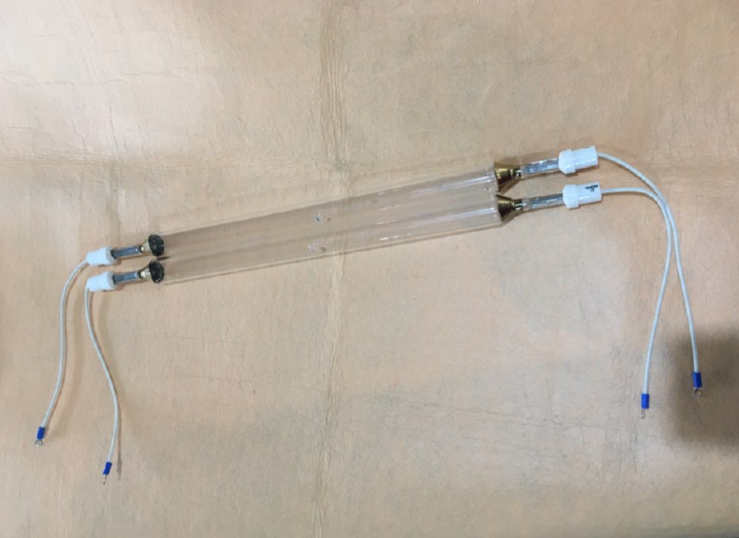
Wiring these systems is where things get tricky. You need a ballast that actually matches. If the voltage is off, you’ll see flickering or your electrodes will degrade way faster than they should. We design our lamps to slide right into standard industrial footprints, but double-check your power supply. It needs to handle that initial strike voltage. And a word of warning: keep your cooling fans running. If they die, your lamp’s lifespan gets cut in half. It’s a simple trade-off—the more intensity you want, the more you have to worry about longevity.