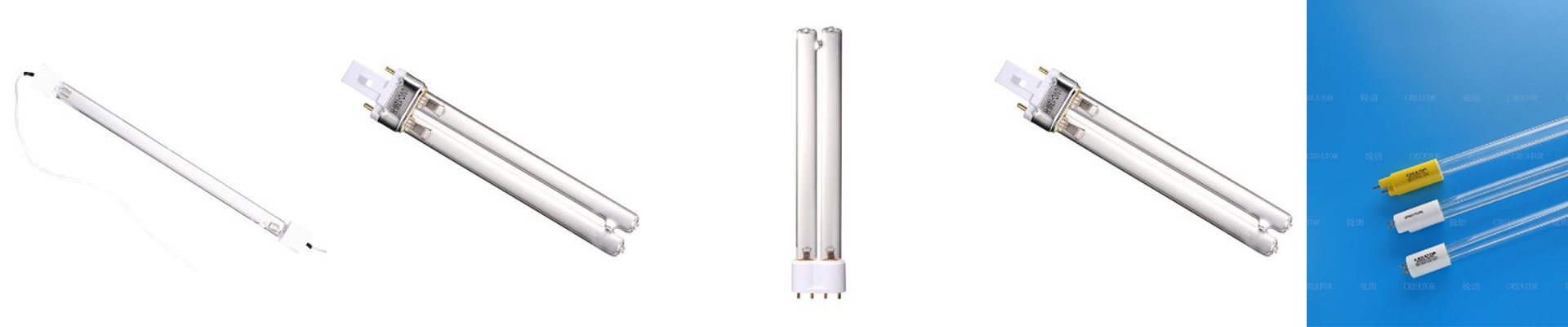
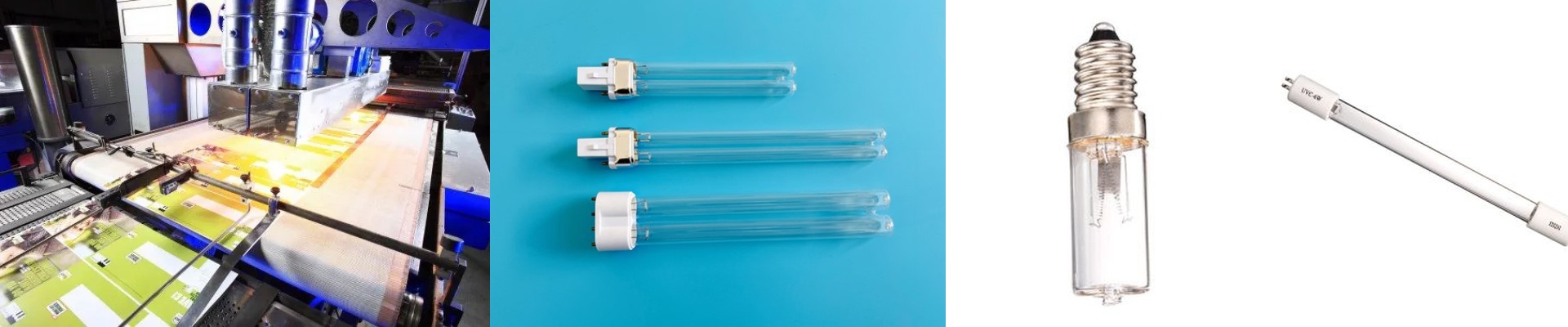
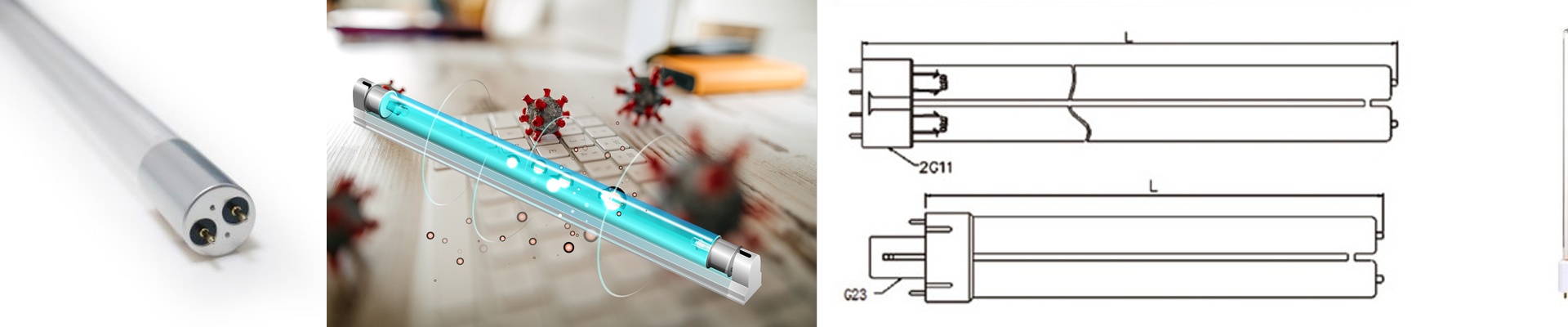
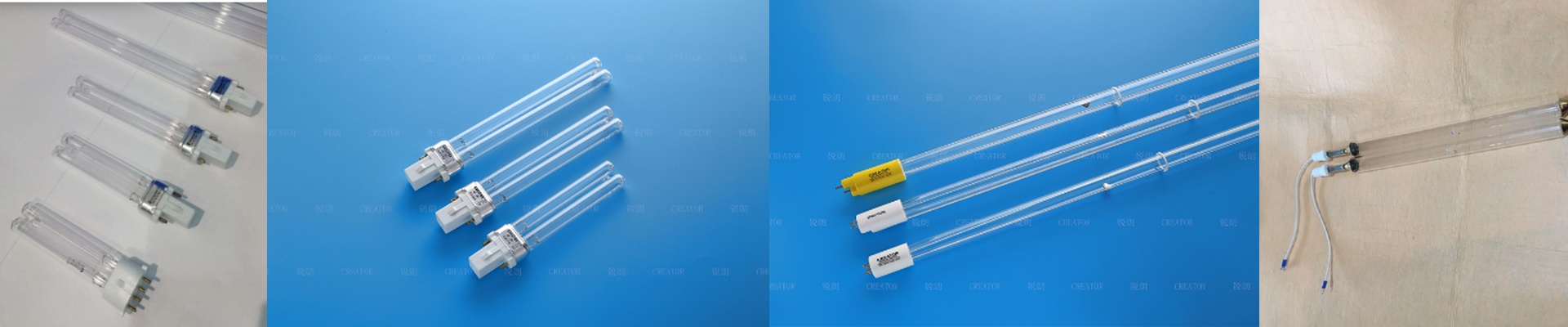
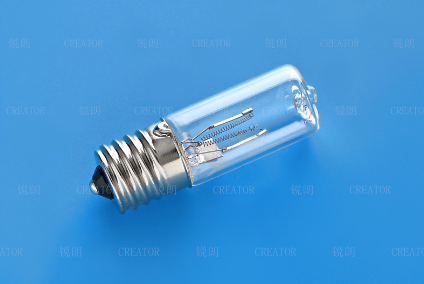
Building UV Lamps That Don’t Trash the Planet (And Actually Last)
Let’s be honest: most UV lamps are treated like disposable batteries. You use them until they pop, then you toss them. But that cycle is a mess, both for the environment and your bottom line. We’re changing that. We’re moving toward a zero-pollution approach, which basically means we’re stripping out the nasty stuff and swapping it for eco-friendly materials. The best part? You still get the punchy spectral output you need for industrial curing. No compromises here.
The switch to better materials
Standard lamps are often a nightmare to get rid of because of what’s inside them. We’ve shifted to high-purity synthetic quartz and, whenever we can, mercury-free options. But the real secret is in the gas fill and the electrodes. We’ve spent a lot of time figuring out how to stop those electrodes from wearing down so fast. It’s not some magic trick—it’s just better engineering. We pick materials that can handle the constant heating and cooling without cracking the seal. The result? A lamp that doesn’t just quit on you.
Making them last
A lamp is only as strong as its weakest point. For us, that’s the seal and the end-caps. If those leak, the lamp is dead. By tightening up those spots, we’re making sure you aren’t swapping tubes every few weeks. That means less hazardous waste heading to a landfill and, more importantly, less time your crew spends messing around with replacements instead of actually running the line.
A quick heads-up on heat
Here is the catch. When you change the materials to be more eco-friendly, the way the lamp handles heat can shift a bit. If you’re running these at max wattage inside a cramped housing, heat can still kill a lamp prematurely. You might need to tweak your cooling fans or adjust your airflow to keep things chill. We build these things to be tanks, but the actual life of the tube depends on how your machine breathes. Just make sure your cooling system matches the wattage of your custom tube, and you’ll be golden.