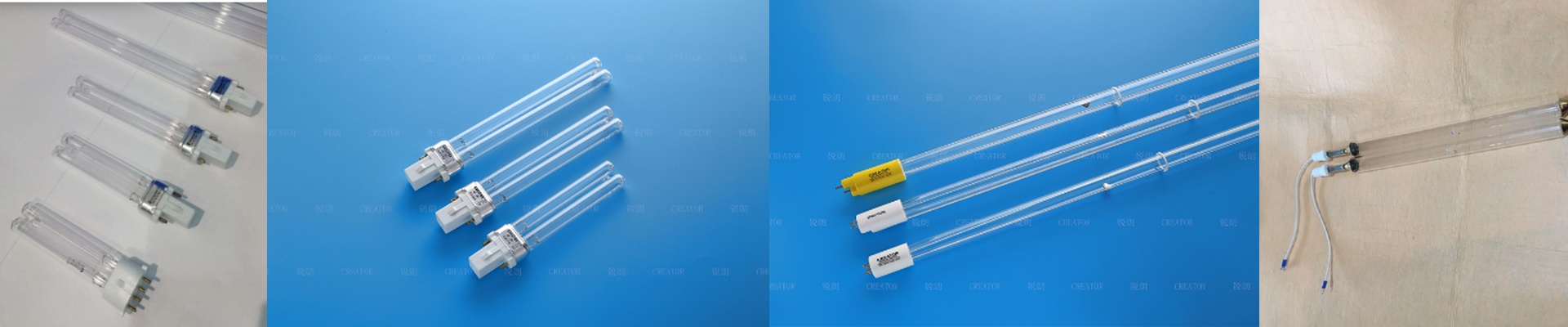
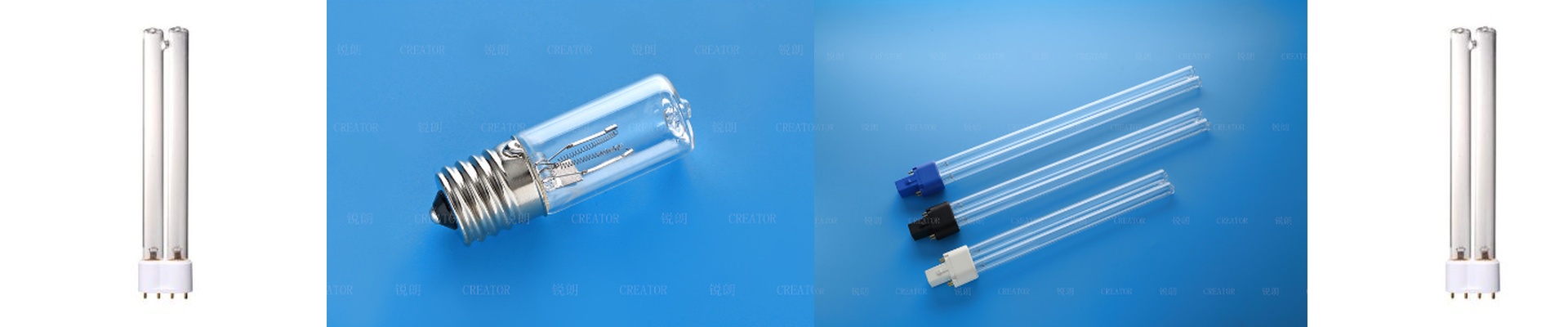
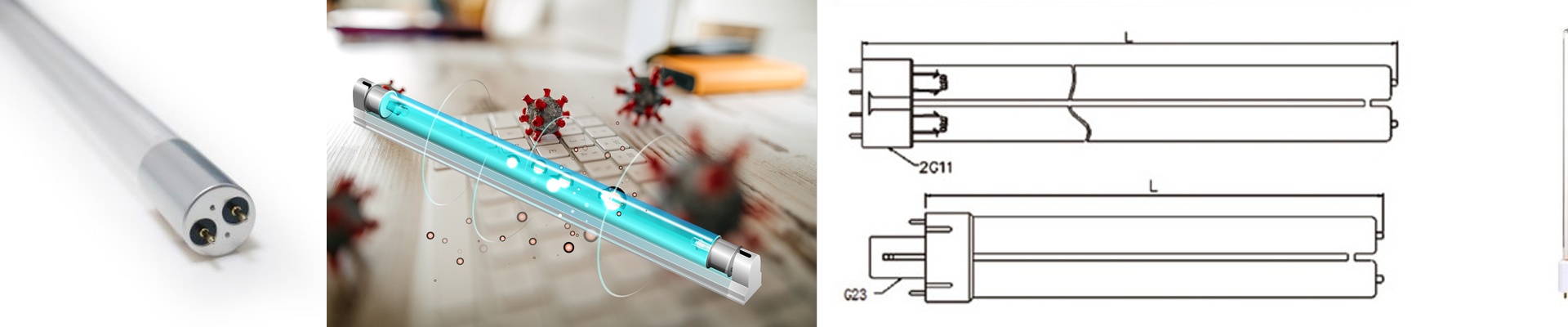
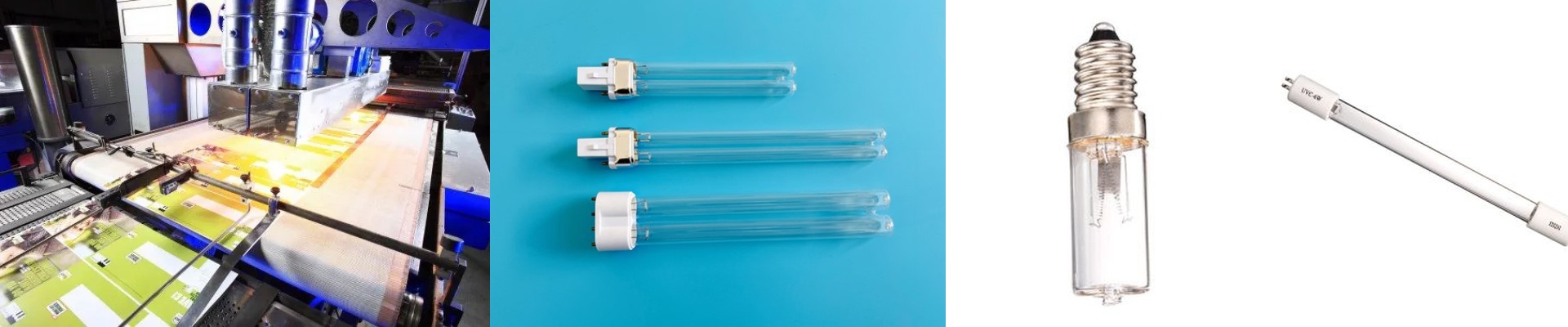
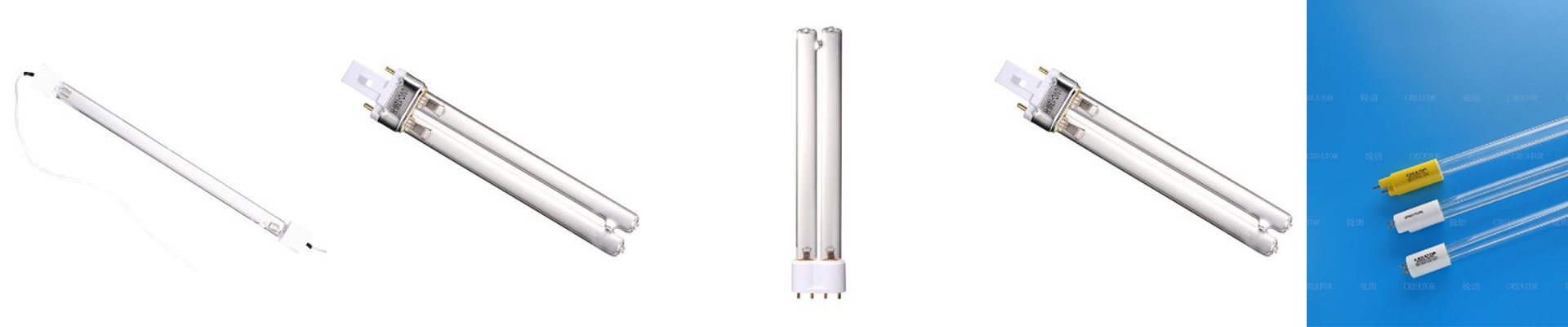
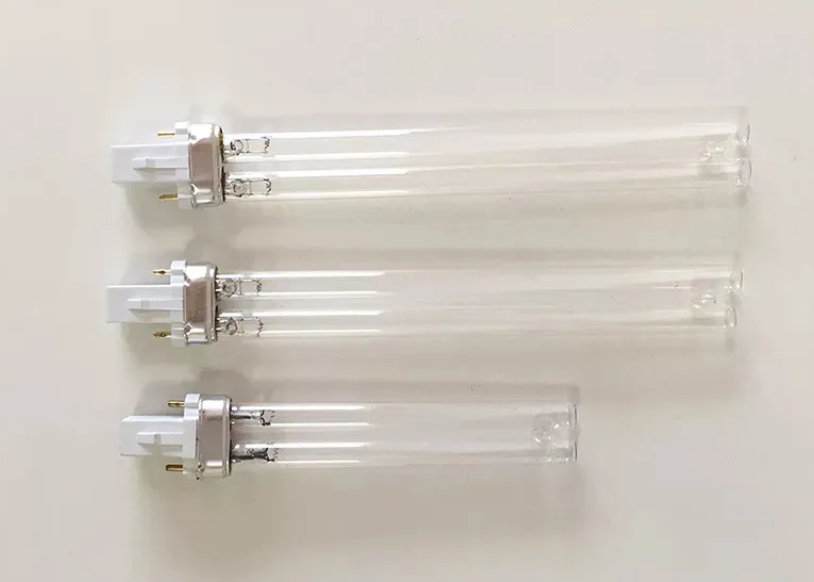
Walk the floor of any textile plant and you know the score: rolls moving fast, margins tight, and downtime that eats you alive. The quiet trouble isn’t just ink or glue—it’s the microbial load in process water, biofilm building up on rolls, and contamination that shows up later as odor, stains, and rejected lots. When sterilization misses, the line slows, rework stacks up, and even the curing chemistry starts acting up. What matters, technically We build these UV water sterilizer lamps around low-pressure mercury vapor, tuned to deliver a dominant 254nm output that breaks down DNA/RNA. Sterilization is about dose—plain and simple—not guesswork. Dose (mJ/cm²) equals irradiance (mW/cm²) times exposure time. Match the lamp output to the chamber geometry, and you can target 40–100 mJ/cm² for solid microbial reduction. The quartz sleeve and ozone-free design keep 254nm transmission steady in water, while the reflector geometry controls stray light and keeps nearby components safe. Why this fits textile work In textile production, process water touches almost every step. Keep a stable UV sterilizer in the loop and you keep water clean for dyeing and finishing, reduce microbial interference with UV-curable coatings, and help prevent odor and discoloration in the final garments. The payoff is fewer shutdowns for cleaning, more consistent curing, and throughput you can count on. A few shop-floor realities UV dose is a function of flow rate and water clarity—high turbidity or color burns up dose. Validate performance with a calibrated radiometer and log irradiance at the chamber outlet. Expect lamp output to drop after 8,000–9,000 hours, so plan replacements on schedule and keep sleeves clean. Fouling on the sleeve will block 254nm transmission, and that’s a direct hit to performance.