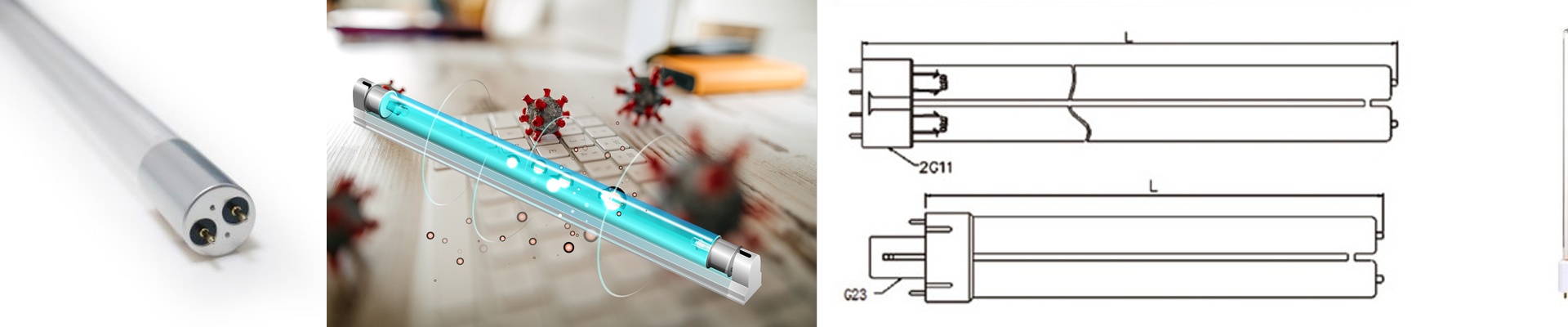
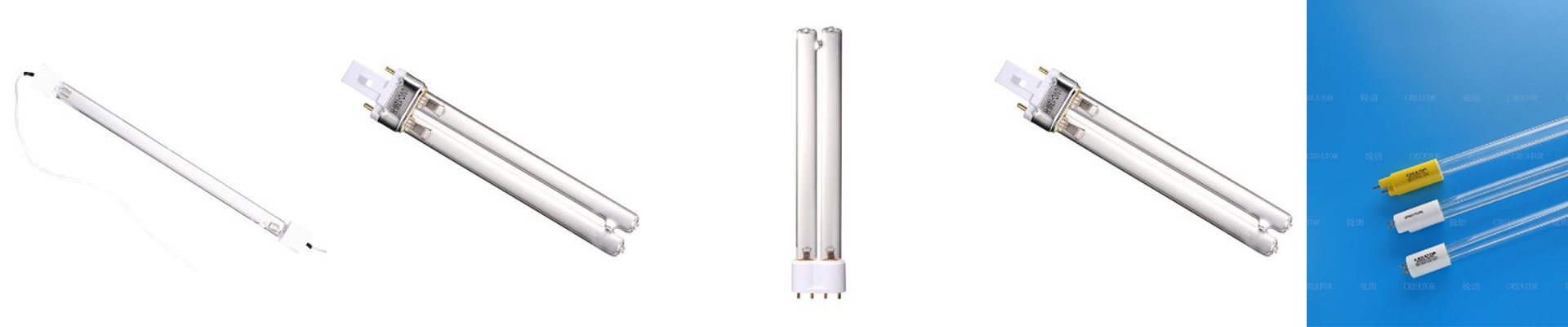
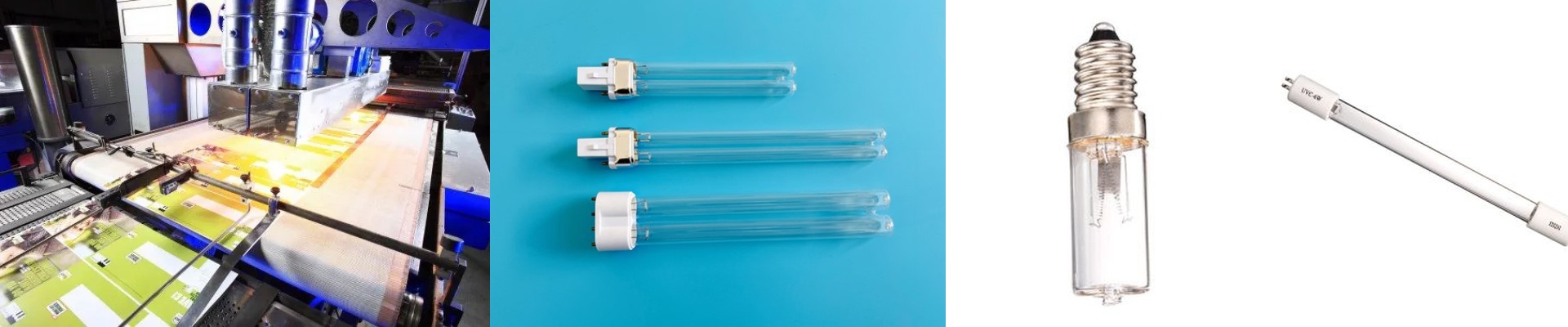
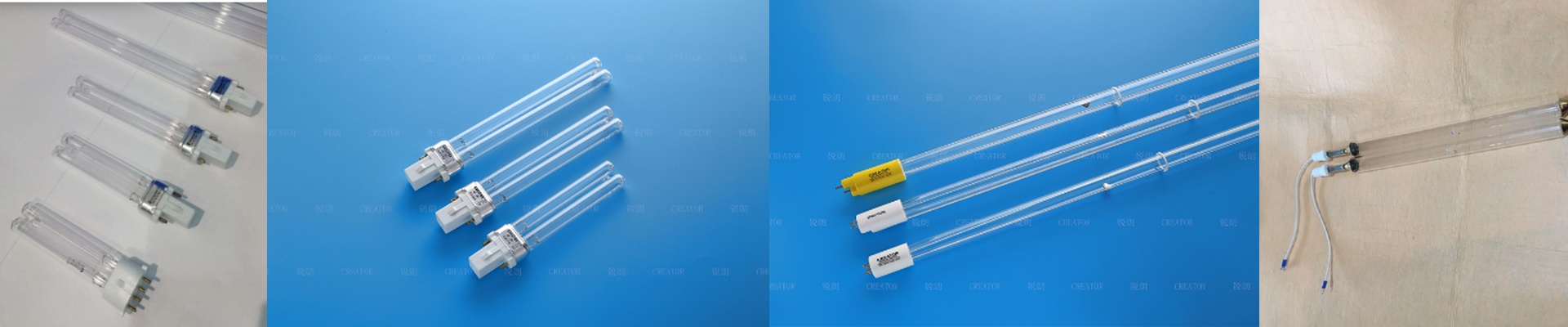
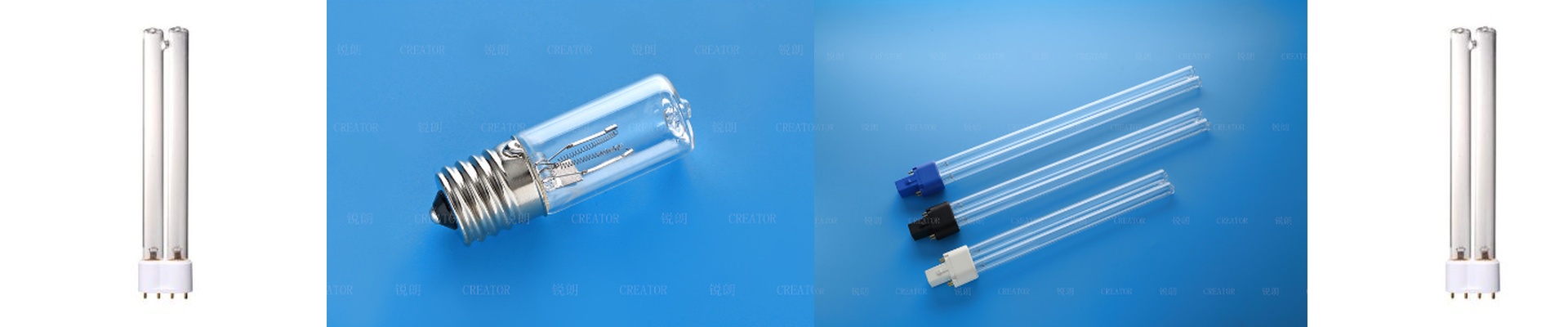
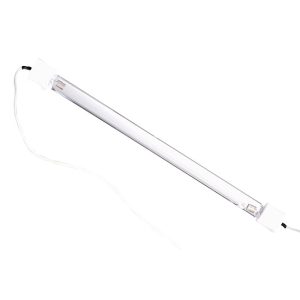
On the press, complex substrates don’t care about your geometry—if it doesn’t match, the job fights back. Run a profile with ridges, cutouts, or deep recesses and standard UV lamps will leave shadow zones. Ink stays tacky, and you end up with uncured defects off the line. We built the Miltec UV lamp replacement to fix exactly that: a configurable UV source that maps energy to the part, not to some imaginary flat plane. What actually matters is spectral control and how you deliver it. The lamp uses a high-pressure mercury vapor arc with a tailored spectral output—365 nm for deep penetration, and 385–405 nm for surface-to-bulk cross-linking—hitting ≥1,200 mW/cm² peak irradiance at the focal plane. A dichroic-coated reflector shapes the beam and knocks down IR, so you get higher UV flux density without cooking the substrate. Output stays stable across lamp life, with under 5% energy drop beyond 5,000 operating hours when you keep arc current in the specified window. The reason it works on irregular parts is straightforward: the geometry is designed to conform. We match lamp length, arc gap, and reflector contour to the print path, so the “hot zone” follows the shape. That kills dead corners and narrows the shadow gap, letting photoinitiators in the ink finish conversion—even on deep edges. You get consistent cure across the whole print, fewer rejects, and faster throughput because you can run tighter laydowns without scrubbing speed. A couple of practical notes. This replacement is geometry-dependent, so we need the exact machine model and the substrate profile. Custom reflector and lamp integration typically runs a 1–2 week lead time. And to keep the spectral envelope stable, stay inside the specified voltage and arc current window. Push outside it and you shift the balance—those shadow edges can come right back.