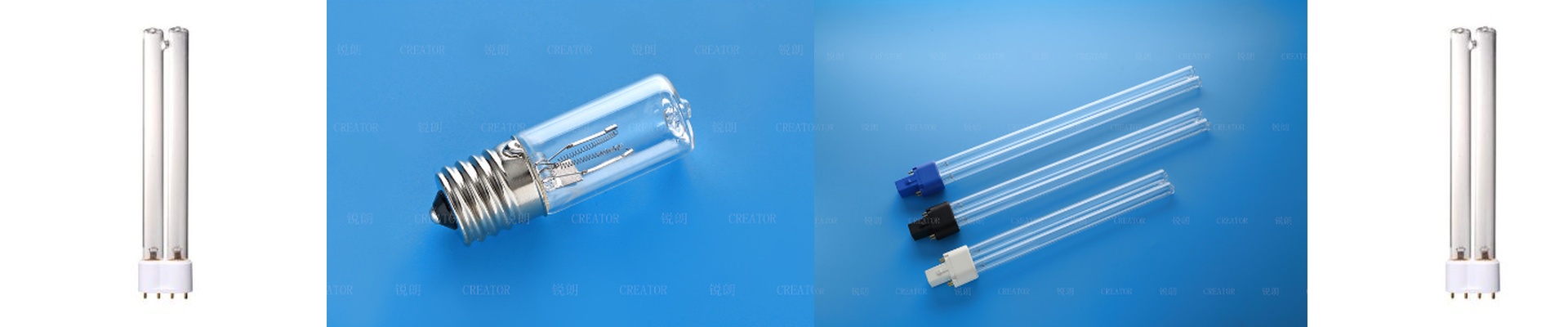
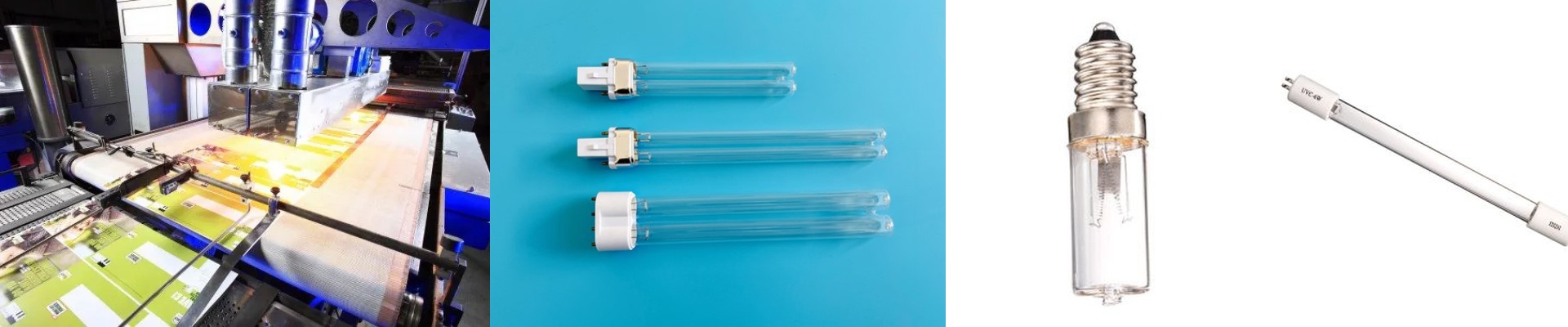
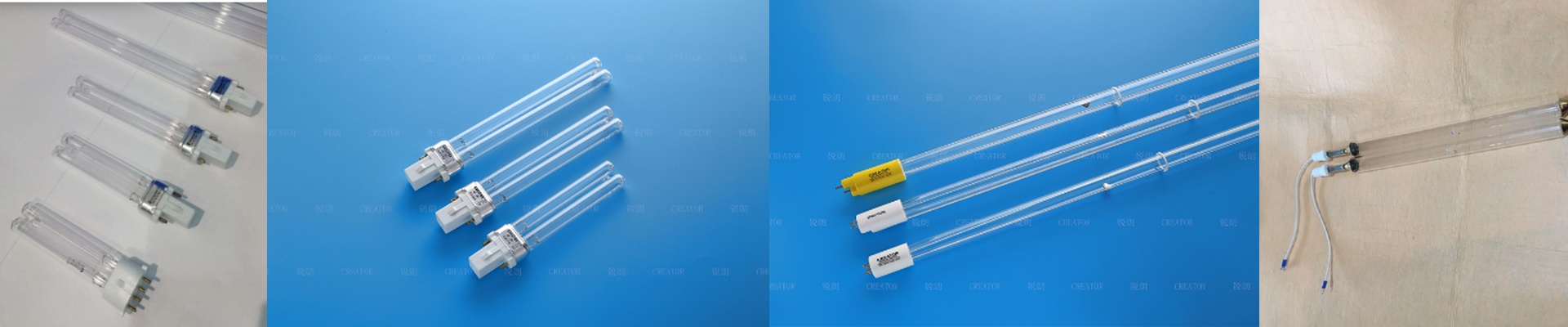
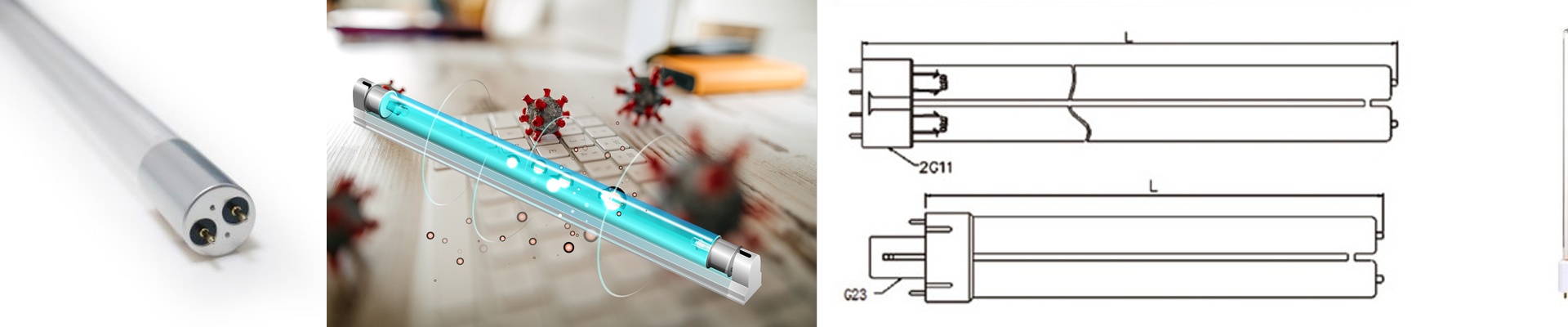
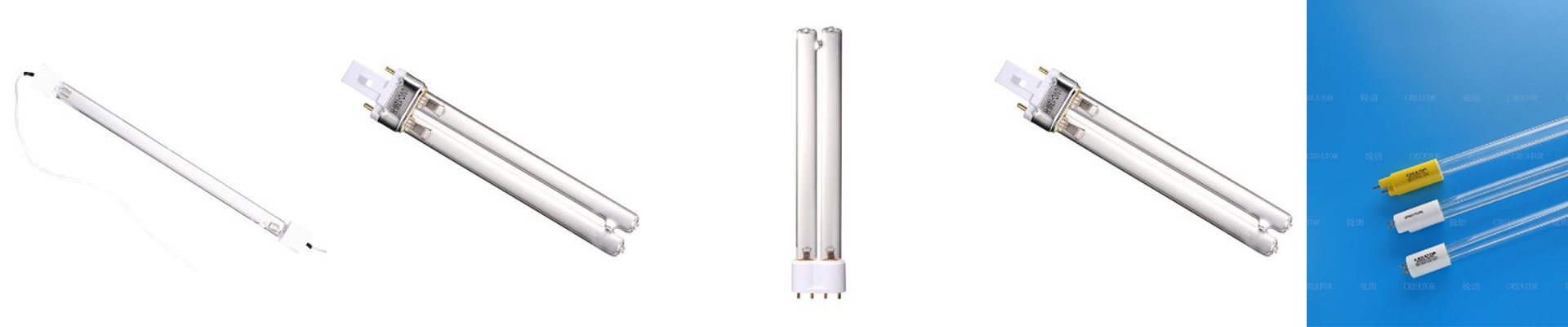
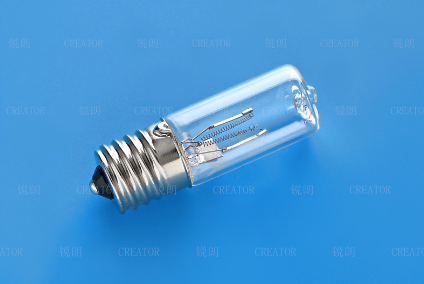
On the press floor, a cure profile that’s even slightly off doesn’t just drag down line speed. It creates waste you can see right away—tacky ink, adhesion that fails, and color shift on jobs that should have run clean. We built this mercury vapor UV curing system to take the guesswork out and give you measurable photon energy, so you can lock in a repeatable cure window instead of chasing heat. What matters under the hood It runs on high-pressure mercury vapor lamps with a broad spectral output, hitting strong peaks at 365 nm, 385 nm, and 405 nm to match the photoinitiator absorption in offset, flexo, and screen inks. Peak irradiance at the substrate hits 12–15 W/cm², giving you 500–1200 mJ/cm² in a single pass depending on web speed and the ink formulation. Dichroic-coated reflectors shape the energy envelope and keep deliverable UV where it needs to be, and the ozone-free quartz envelope helps you avoid maintenance interruptions. Lamp life is rated to 1,000 hours at full output, and in practice you’ll often see less than 5% output drop through 800 hours when thermals stay stable. Here’s the thing with production printing: the cure has to keep pace with the press, not hold it up. The mercury vapor spectrum delivers rapid cross-linking across pigmented inks and clear coats without over-driving a surface-only cure. You get faster throughput, fewer scumming and off-set issues, and more consistent control over dot gain. Power is managed by arc current and duty cycle, and the system drops into standard UV retrofits and curing stations without a fight. Mercury vapor lamps are particular—thermal management is non-negotiable. Coolant flow, lamp position, and reflector alignment all directly affect spectral stability and how long the lamp lives. There’s a narrow window for optimal output; mismatched power settings or poor airflow will push the lamp outside its stable operating point. Before you install, confirm compatibility with your press’s UV window geometry, power bus, and safety interlocks.