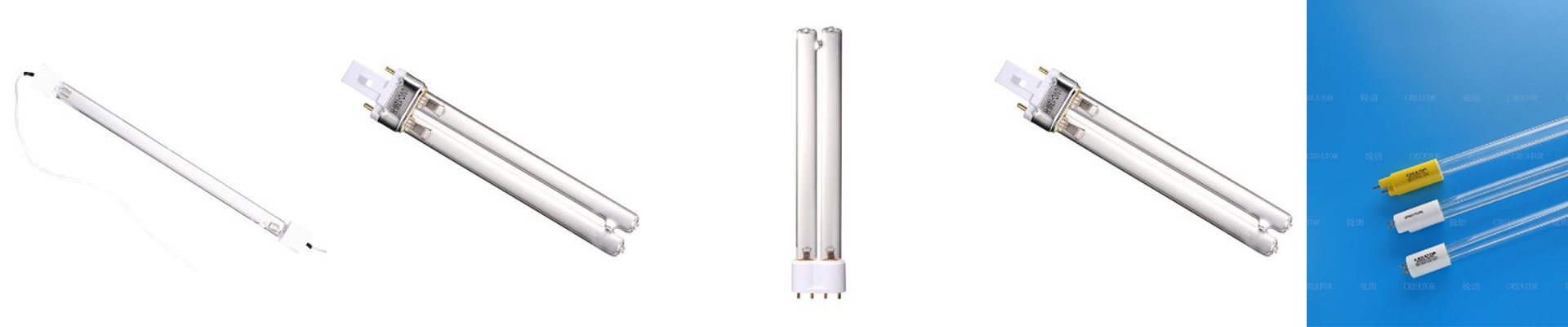
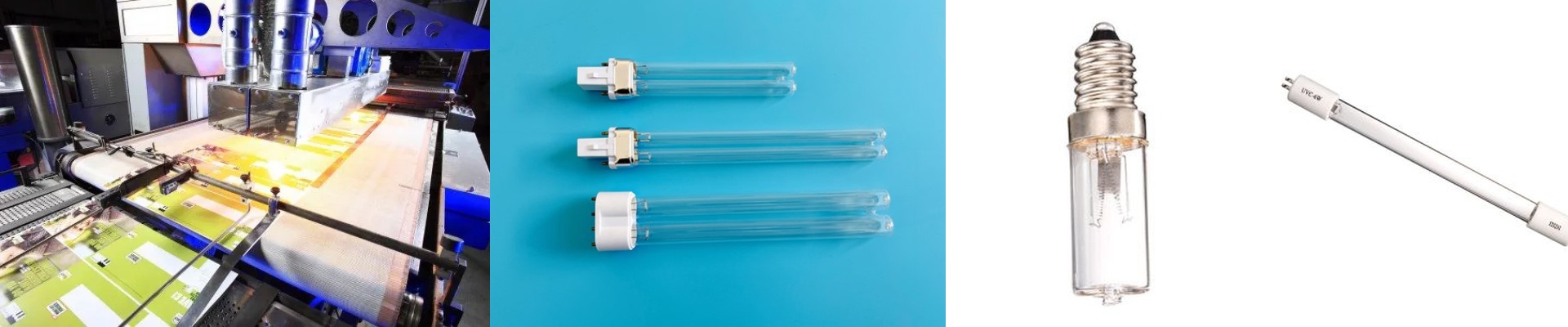
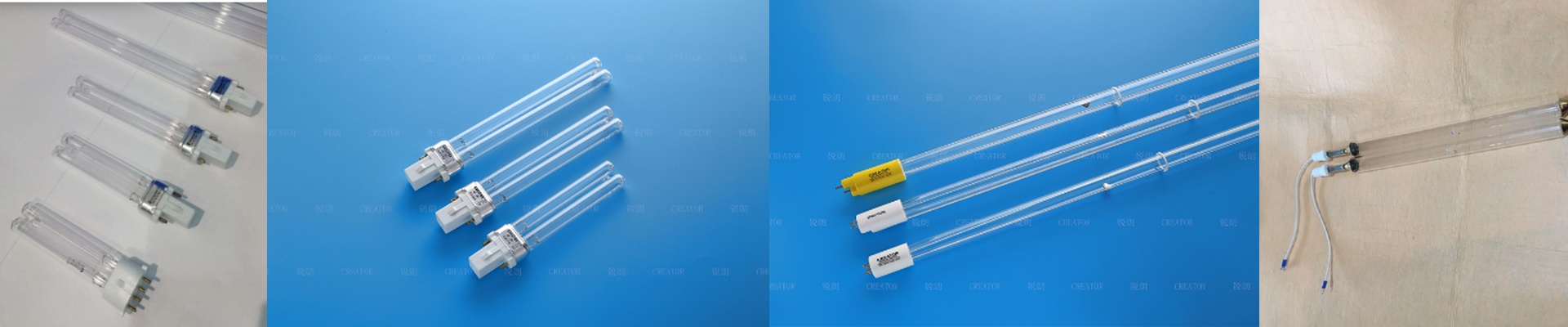
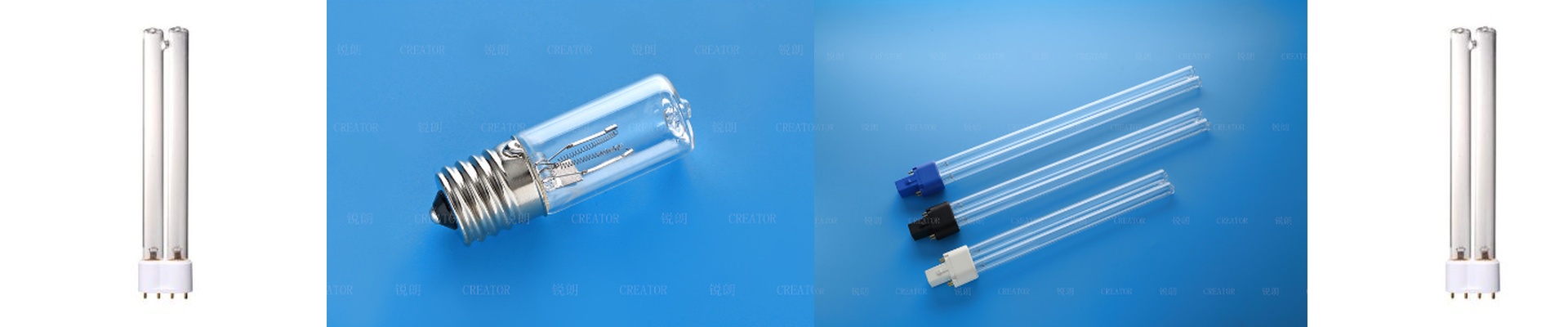
Walk any modern printing plant floor after hours and you’ll spot them—rows of UV lamps on standby, waiting to strike. The hum is steady, the arc is bright, and the air has that sharp, ozone-tinged edge you can smell the second you step near the unit. After spending time in over 3,000 printing facilities, across everything from label presses to wide-web packaging lines, one thing is clear: the most consistent variable in UV curing isn’t the ink, the substrate, or even the lamp. It’s the person running and maintaining the system. UV curing is fast, precise, and unforgiving. And it’s flat-out hazardous without the right eye protection. UV radiation at 365nm, 385nm, and 405nm is invisible, and the damage adds up quietly. One unfiltered look at a high-pressure mercury lamp during startup or inspection can mean photokeratitis, retinal injury, and long-term eye damage. On top of that, operators deal with the day-to-day grit of the shop floor—solvent splash, ink mist, dust, and debris kicked up by high-speed web runs. We built our UV lamp protective goggles for that reality—for the operator who has to stay focused, keep the line moving, and walk out at shift end with their eyes intact.
What matters, technically
Industrial UV curing isn’t one wavelength. It’s a spectrum and a dose problem. Goggles have to handle both: the lamp’s spectral output and the way exposure actually happens—direct arc, reflected glare, and the mess that comes with the process. **Spectral blocking, done intentionally.**The goggles block the primary UV-A bands used in industrial curing—centered around 365nm, 385nm, and 405nm—while still letting you see enough to inspect and align. The lens uses a multi-layer dichroic filter approach, not dyed plastic, so it selectively attenuates UV without wrecking color rendering. You can still read labels, check register, and spot defects. **Optical density you can measure.**The lens delivers high optical density across those critical UV bands, cutting transmitted intensity down to safe levels at typical working distances. This isn’t about comfort—it’s about staying within recognized occupational exposure limits during lamp handling, startup, and routine maintenance. **Built for the production floor.**The lens is impact-resistant and holds up against common printing solvents and wash-up agents. The frame sealing is designed to keep ink mist and dust from working their way in. Operators can clean the lens with standard shop wipes without degrading the filter performance. **Fit and compliance are part of performance.**If goggles fog, slip, or feel off, they come off. We use adjustable headbands and a low-profile, vented design to cut fogging during active work, while keeping a secure fit—especially when worn over safety glasses. **Works with what you already do.**The goggles fit into the measurement workflows your team already relies on—handheld UV radiometers, spectral checks, routine inspection. They don’t interfere with standard PPE, and they don’t force you to change how you approach lamp checks.
Why this works in the real world
After 3,000 plant visits, we learned production teams don’t need another safety product that feels disconnected from the line. They need protection that fits into how UV curing actually happens—whether the press is running, the lamp is being inspected, or the unit is being changed over. Across UV offset, flexo, screen, and other industrial UV processes, lamps deliver serious radiant output. High-pressure mercury vapor lamps produce broad UV output with strong UV-A peaks. LED-UV systems concentrate energy at discrete wavelengths like 385nm or 405nm. Both demand eye protection that’s wavelength-aware. Our goggles are engineered for the emission profiles you see in the field, not some idealized lab curve. In practice, that means:
- **Startup and lamp inspection get safer.**When lamps strike, output spikes fast. With protected eyes, operators can verify ignition, check arc stability, and confirm reflector alignment without having to look away or settle for inadequate shielding.
- **Reflector glare and stray UV are handled.**Curing systems use reflectors to shape irradiance, but stray reflections still reach the operator. The goggle filter reduces glare from reflective surfaces around the lamp housing, making it easier to work comfortably while lowering cumulative exposure.
- **Contamination is part of the job.**Ink mist, solvents, and dust aren’t occasional—they’re daily. The sealed frame and chemical-resistant lens help protect against both optical hazards and environmental contaminants.
- **Downtime risk drops.**Eye injuries don’t just hurt the individual—they stop the line. Training, signage, and engineering controls matter, but the last line of defense is what the operator is wearing. Consistent use of proper goggles reduces incident-related stoppages and the disruption that follows.
Field notes worth keeping
Protective eyewear only works when it’s worn—and it’s only worn when it fits the task. Here are the practical realities we built around, and the trade-offs we made. **Lens selection depends on wavelength.**If your process uses a specific LED-UV wavelength—say, 365nm or 395nm—verify the lens blocking curve matches the dominant emission. A goggle labeled “UV-A” can still leave a narrow window of higher transmission at an LED peak if it’s not specified correctly. Match the goggle to the lamp spectrum, not the label. **Fit under other PPE has to work.**Operators often wear safety glasses under goggles for impact protection, or use face shields during wash-up. The goggle profile needs to clear other gear without pressure points, pinching, or fogging problems. Test fit on your operators, not on a mannequin. **Ventilation helps, but it won’t solve everything.**Anti-fog performance depends on humidity, airflow, and body heat. On high-speed presses with limited air movement, fogging can still happen during long runs. We use a vented design to reduce it, but in very humid or still areas, breaks and proper cleaning are still necessary. **Cleaning matters—use the right approach.**Solvents and abrasive wipes can degrade anti-fog coatings and the dichroic filter layers over time. Clean with mild detergents and soft cloths. Store the goggles in a protective case. A damaged lens reduces protection, even if the goggles look fine. **PPE is the last line, not a substitute.**Goggles are personal protective equipment. They don’t replace interlocks, proper lamp shielding, or safe operating procedures. Use them as part of a layered safety strategy: engineering controls first, administrative controls second, and PPE as the final safeguard. On the plant floor, uptime, yield, and safety come down to small decisions repeated thousands of times. When the lamp strikes, when the web runs, when the operator leans in to verify cure, the choice is immediate: protect the eyes with gear built for industrial UV realities, or carry risk that doesn’t belong in modern production. We designed these goggles for the operator who keeps the press running—because the most advanced UV curing system still depends on the person standing in front of it.