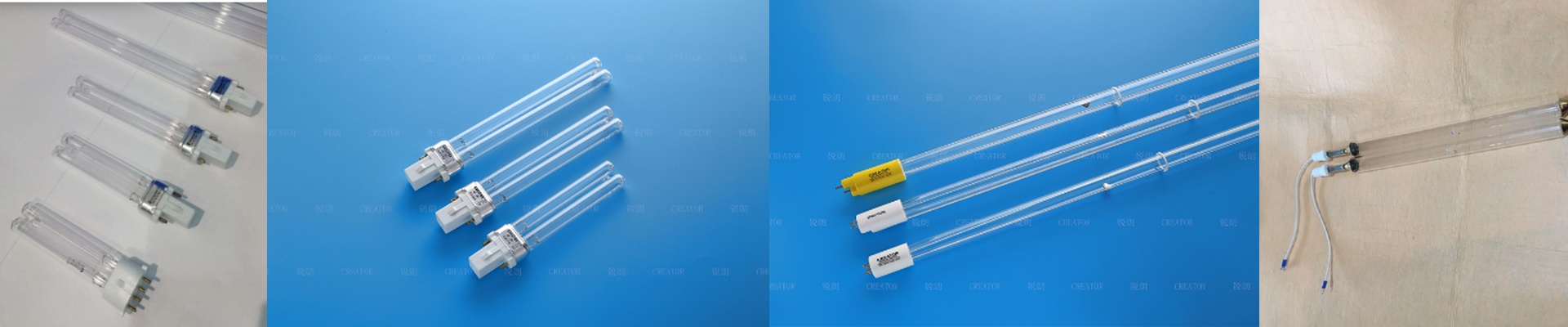
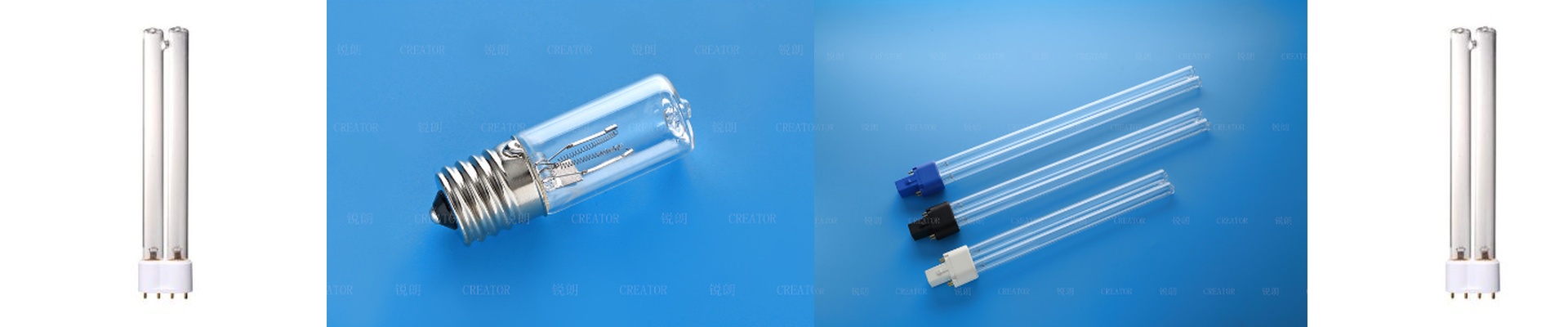
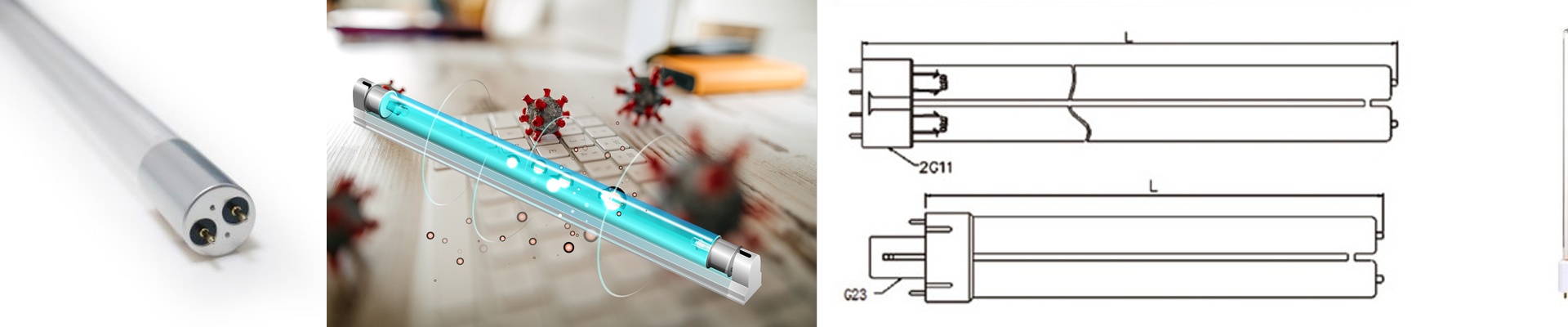
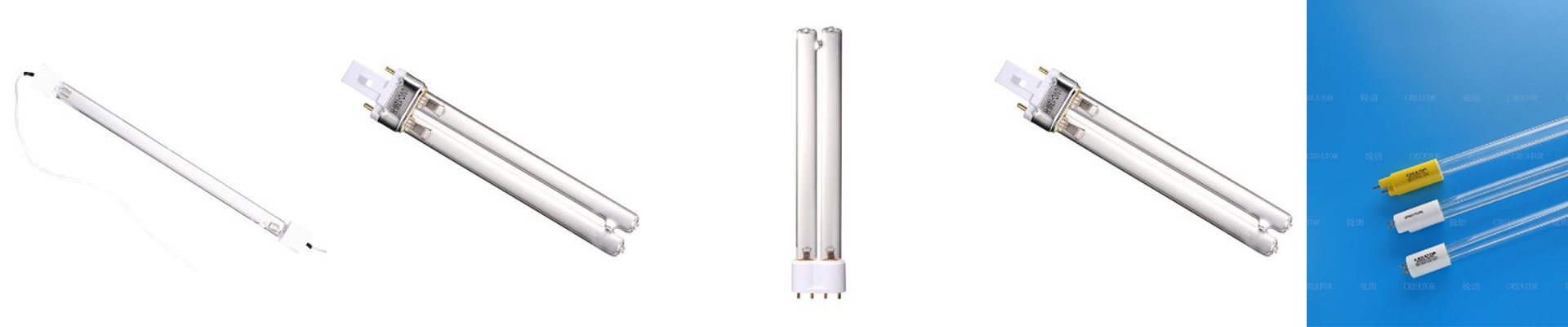
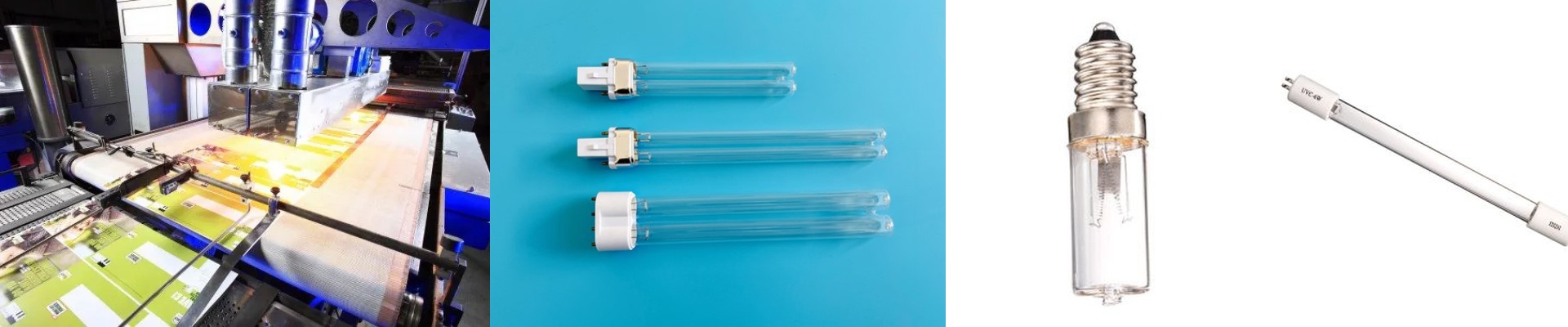
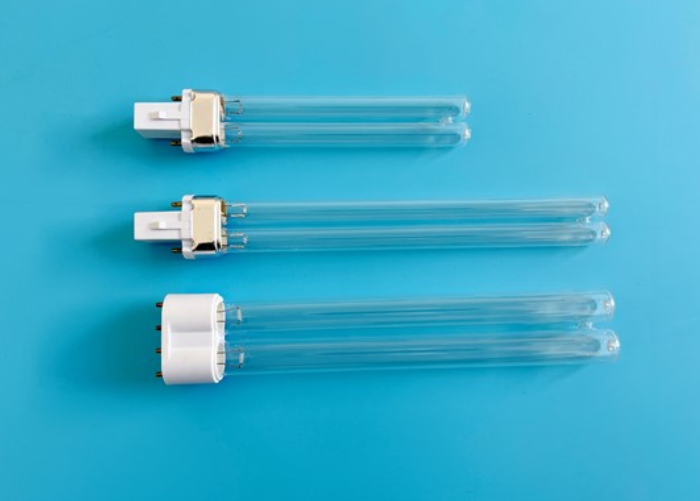
On the line, that dim, yellowish glow from your UV lamp isn’t just ugly. It’s a tell. The gas mix inside the arc tube is drifting, and you’ll see it fast on mobile screen ink as curing that starts to wander. When the lamp can’t hit the right spectral output, you end up with adhesives that won’t cure through, adhesion that falls off, and parts that get scrapped. What matters, technically We build mercury vapor lamps for mobile screen curing with tight control over spectral output, peak irradiance, and energy density. In the field, color temperature is a handy proxy for how stable the fill pressure and dopant balance are inside. A steady, neutral-white arc means the mercury vapor pressure is consistent and the dopants are balanced, so the 365nm output needed for deep ink cross-linking stays repeatable. Expect 5,000+ hours of stable lamp life with under 5% output decay, helped by a low-attenuation quartz envelope and high-reflectivity dichroic reflectors. Keeping spectral consistency along the arc length holds dose uniformity to within ±3% across the curing window. Why this works on mobile screen lines These lines run fast, with thin ink films that cure quickly but won’t forgive loose tolerances. The lamp delivers the required mJ/cm² at 365nm to fully trigger the photoinitiators without cooking the substrate. The payoff is quicker cycles, fewer rejects, and adhesion that stays consistent on glass and PET. Energy use drops because the reflector efficiency keeps losses low, and you spend less time swapping lamps. Here are the things to keep straight These lamps don’t like voltage ripple or inconsistent airflow. Run a clean, regulated power supply and keep the cooling steady. If you don’t, thermal drift shifts the arc temperature and color, and spectral stability goes with it. Check fit and connector compatibility with your curing module. Match the lamp to your optics — those dichroic coatings are tuned to specific wavelengths. Verify with a spectral radiometer, and don’t accept a lamp based on visual color alone.