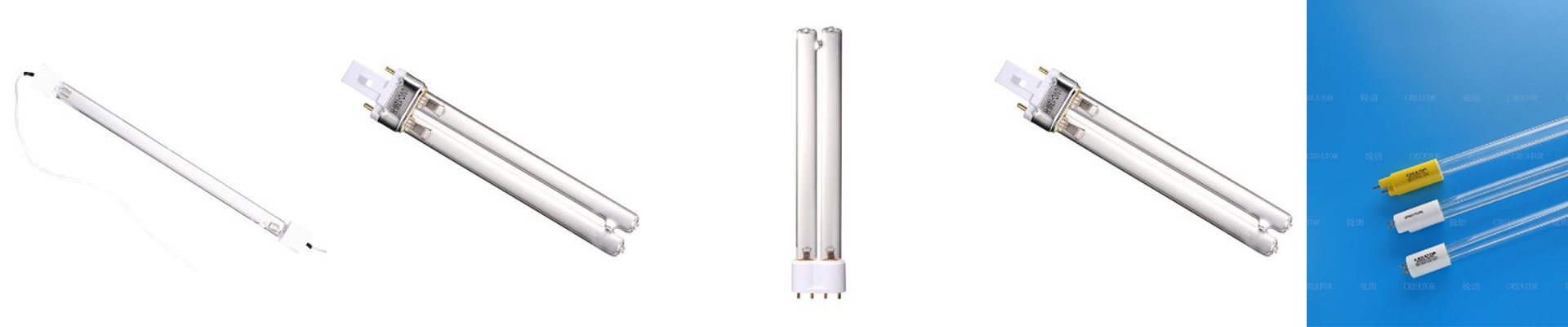
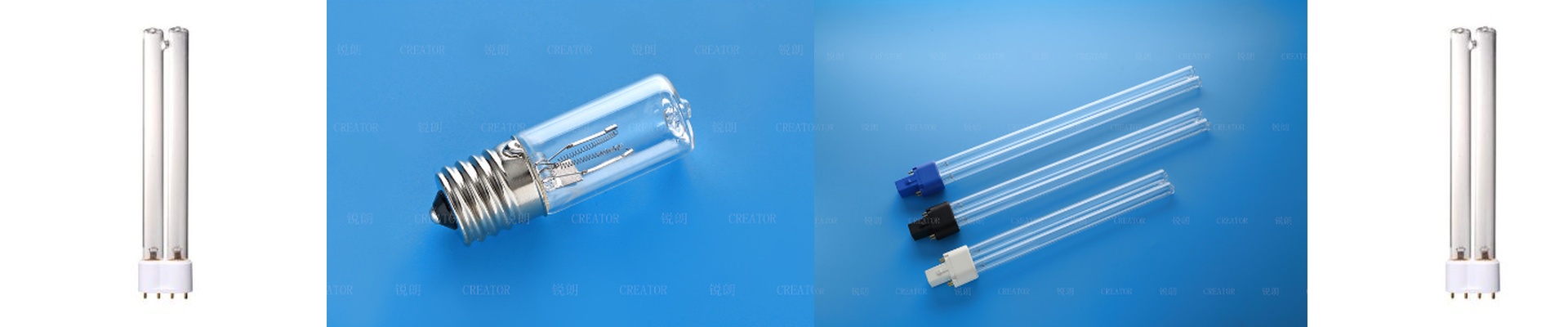
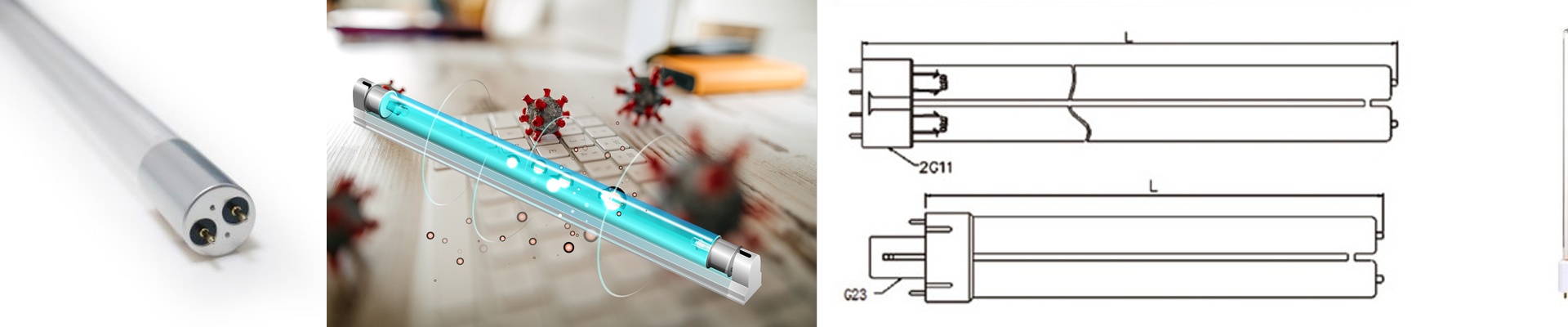
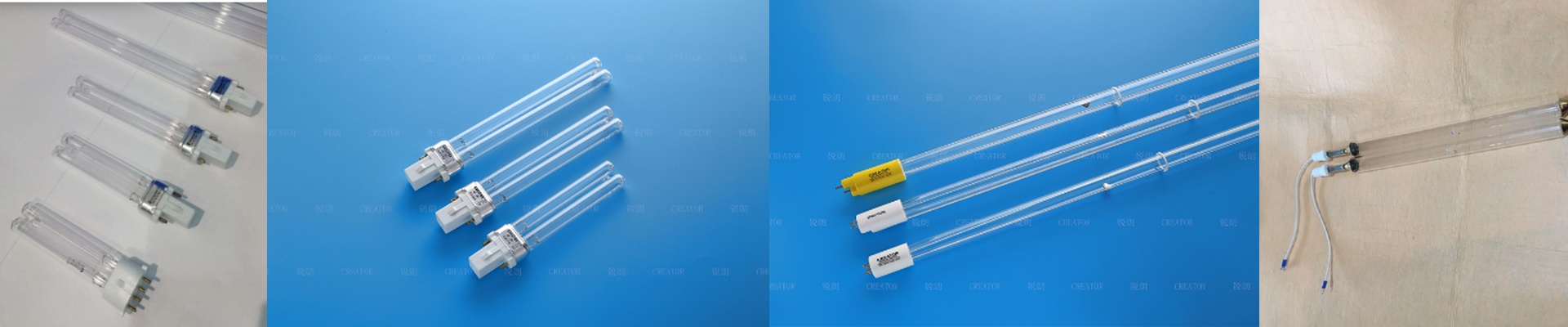
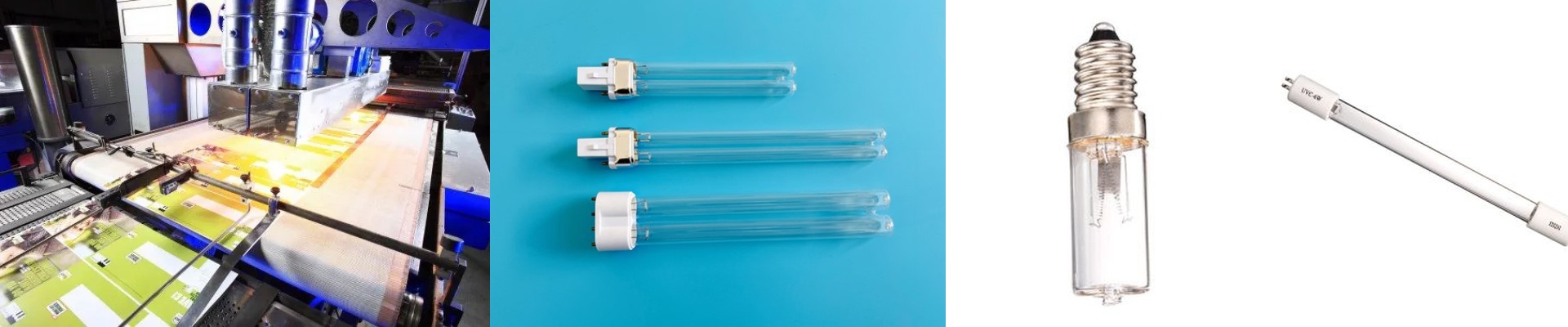
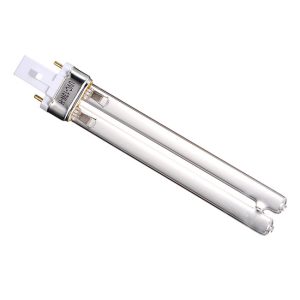
On the press floor, OEM partners need UV lamps that keep their spectral output consistent, shift after shift. That’s why top press manufacturers spec our ozone-producing UV lamps as the baseline. The reason is simple: precision. Stable peak irradiance, controlled wavelength, and lamp-to-lamp repeatability mean curing profiles transfer cleanly from one machine to the next. What matters under the hood These are medium-pressure mercury vapor lamps, built to punch hard around 365 nm, with added UVA/UVB lines to hit photoinitiators in thick ink films and opaque coatings. The quartz arc tube is paired with a reflector that has a dichroic coating—shaping the spectral energy and keeping excess heat off the substrate. Ozone is intentional here: short-wave UV reacts with oxygen, and that ozone helps drive surface oxidation, which can improve adhesion on tough polymers. Expect stable output measured above 800 mW/cm² at the arc, and 1,000+ hours of consistent dose before end-of-life. Why it holds up in real production In UV offset, flexo, and screen lines, your curing window comes down to lamp power, dwell time, and how well the spectrum matches the ink. Our OEM lamps hold tight tolerances on irradiance and focal width, so you can push speed without under-curing or scorching. The payoff is fewer rejects, less rework, and makereadies that behave the way you expect. Energy draw is tuned for arc efficiency, not max wattage, so operating cost stays in check while throughput stays steady. A few shop-floor reminders Ozone is useful, but it needs ventilation and proper ozone extraction at the lamp housing—never recirculate that air. These lamps are also sensitive to voltage stability, so use matched igniters and ballasts. Always verify connector type, arc length, and reflector geometry against your printer’s fixture. When you need repeatable cure on press, compatibility isn’t a nice-to-have—it’s mandatory.