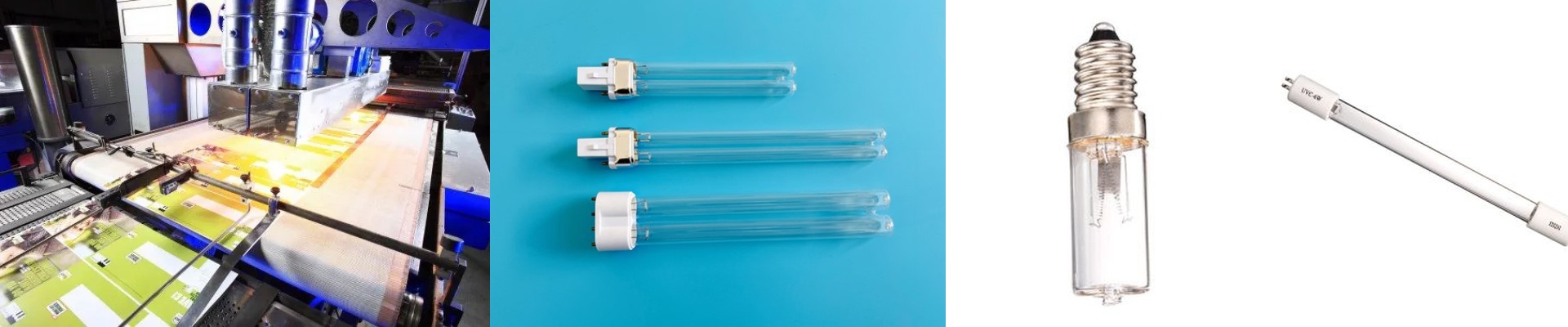
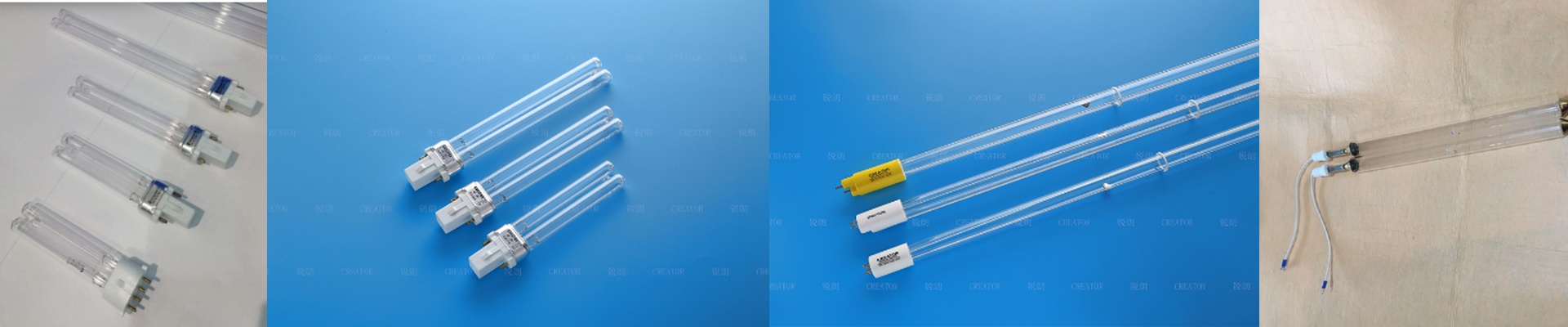
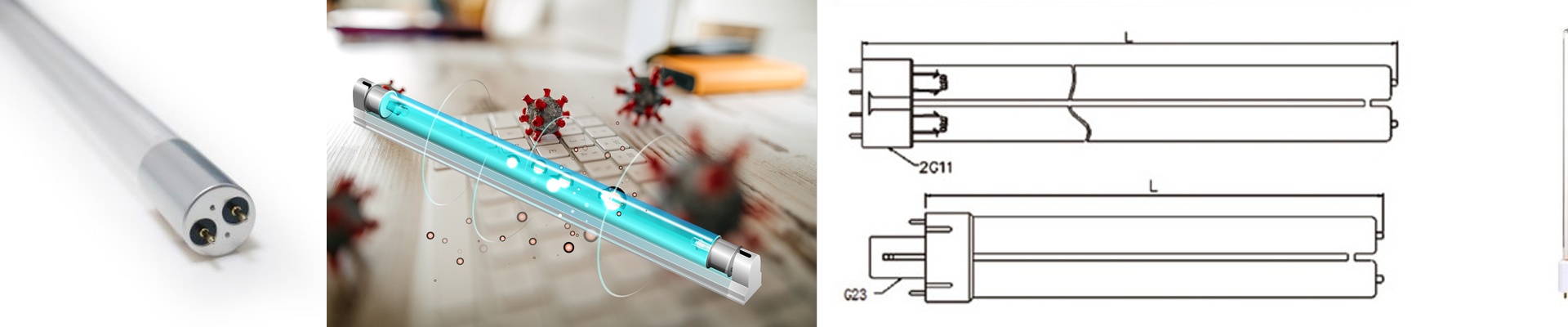
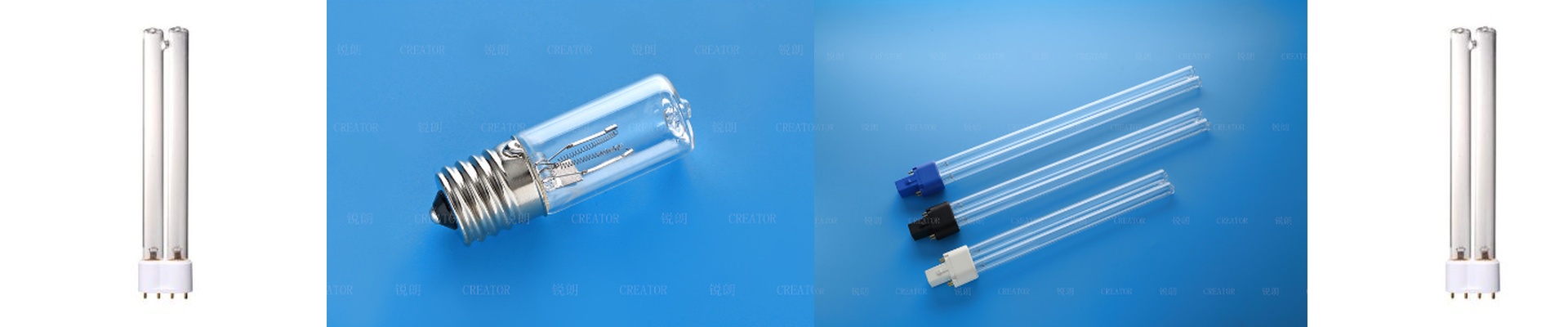
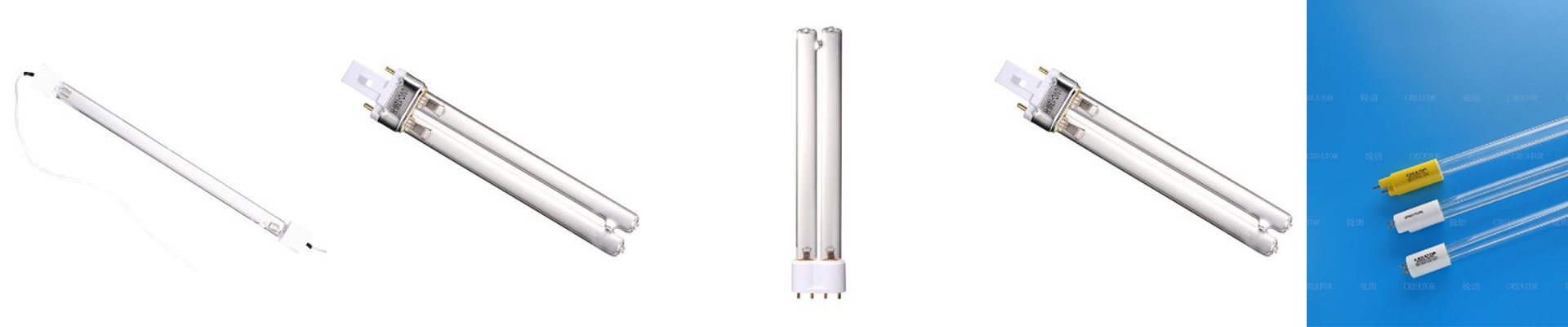
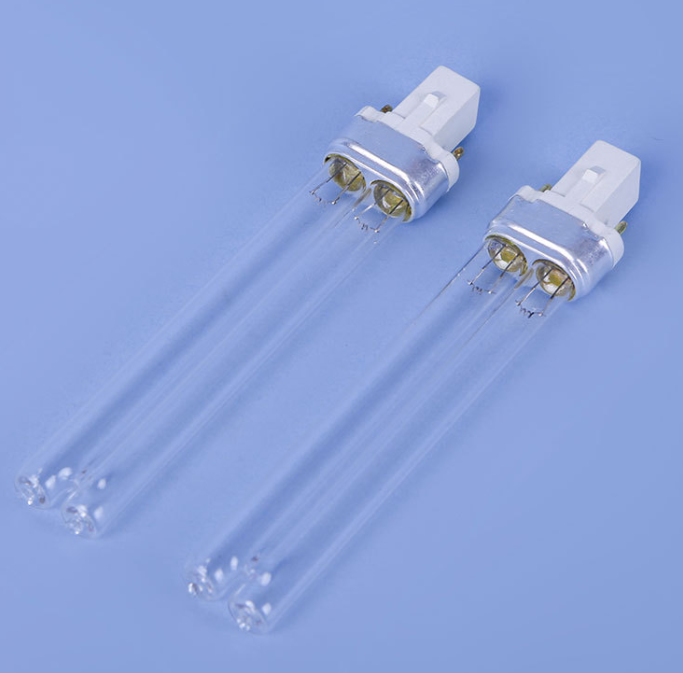
In air purification, you can’t just rely on passive filtration to stop pathogens. You need active, molecular-level intervention. Our UVC germicidal lamps provide exactly that, hitting microorganisms right in the airflow and breaking down their DNA and RNA. Without this step, recirculated air can simply re-disperse viable pathogens and undo the whole point of the system. What matters, technically It all comes down to precise spectral control. Our lamps run at 254nm, the wavelength microbial nucleic acids absorb most. This isn’t about throwing around broad-spectrum energy—it’s targeted delivery. At a 10cm working distance, peak irradiance hits 120mW/cm², giving you enough photon flux to knock out even tough spores. The quartz sleeve keeps UVC transmission above 90%, and the ozone-free coating keeps secondary air quality issues out of the equation. Rated lamp life is 9,000 hours, with output degradation under 8%, so disinfection performance stays consistent over the life of the system. Why it fits the job Air purification cycles demand speed and reliability. Our UVC lamps turn on instantly—no warm-up lag that compromises real-time disinfection. The compact package drops straight into ductwork or chamber designs without adding bulk. For you, that means consistent pathogen kill rates across airflow volumes up to 1,000m³/h, meeting strict indoor air quality standards without adding chemicals. The numbers back it up: single-pass log reduction values (LRV) of ≥3 for common bacteria and viruses. What to keep in mind Installation has to give you direct line-of-sight to the airflow. Shadows equal disinfection blind spots. Position the lamp where air velocity stays at or below 2.5m/s, so you get enough exposure time. Even at low power, the UVC output requires shielding—never look directly at the lamp while it’s running. Plan on lamp replacement every 12 months, based on the 9,000-hour life, to keep performance where it’s rated.