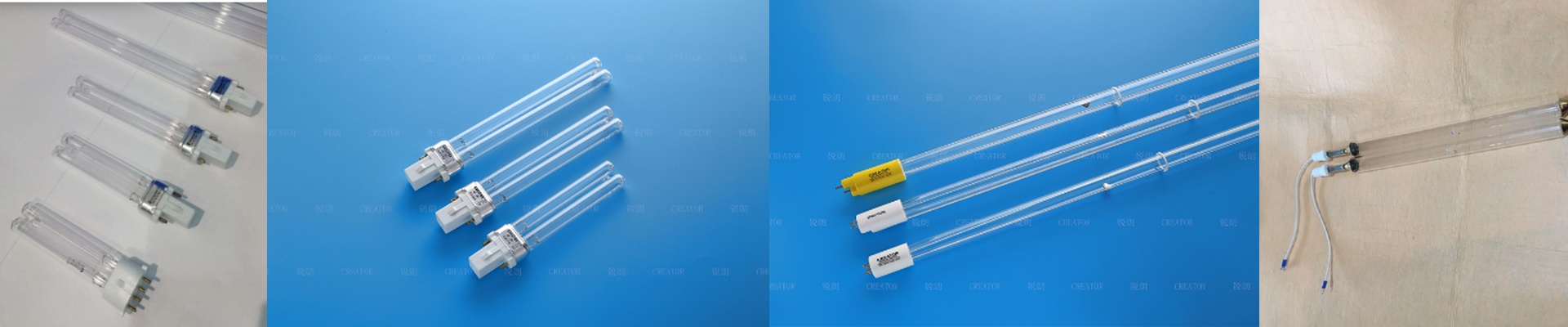
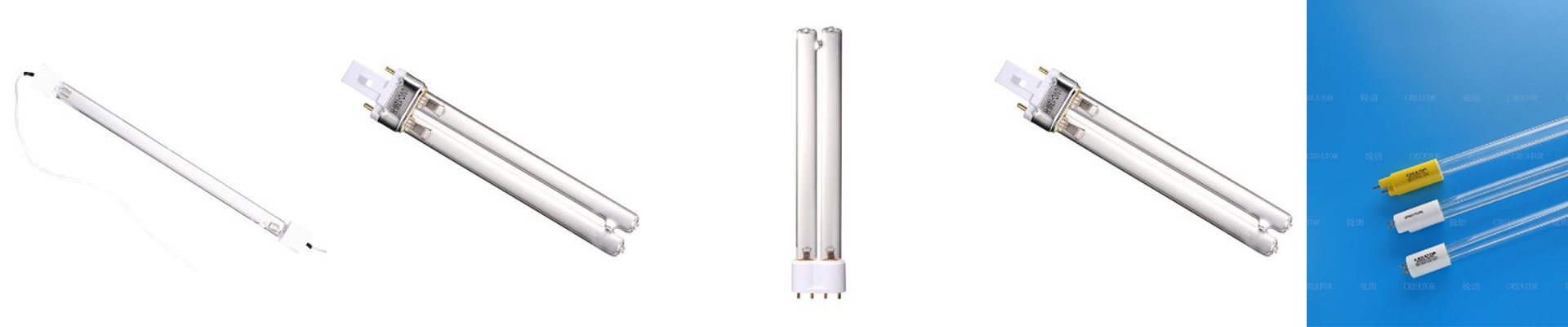
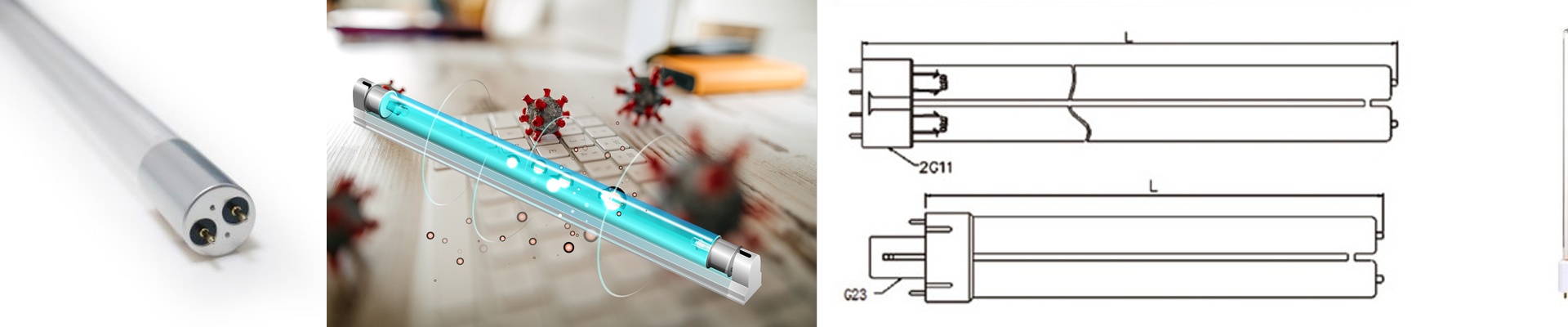
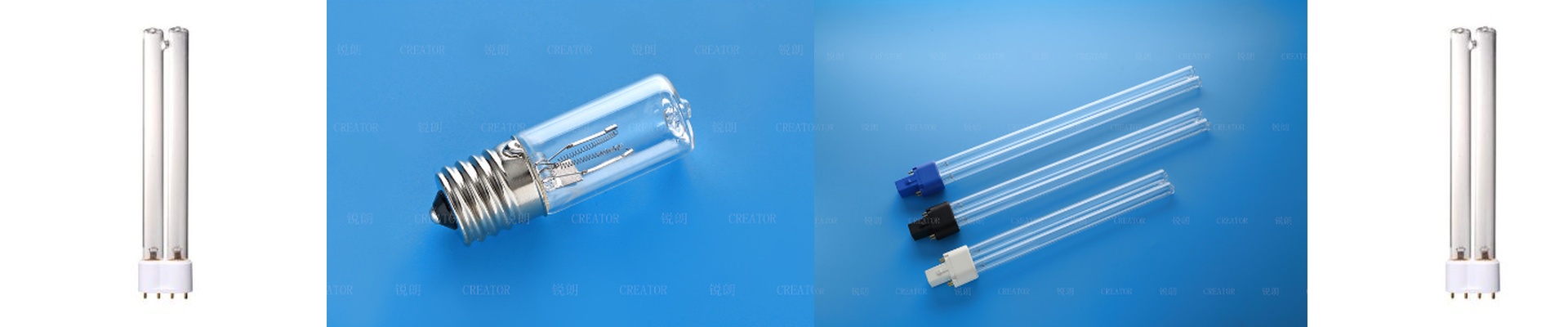
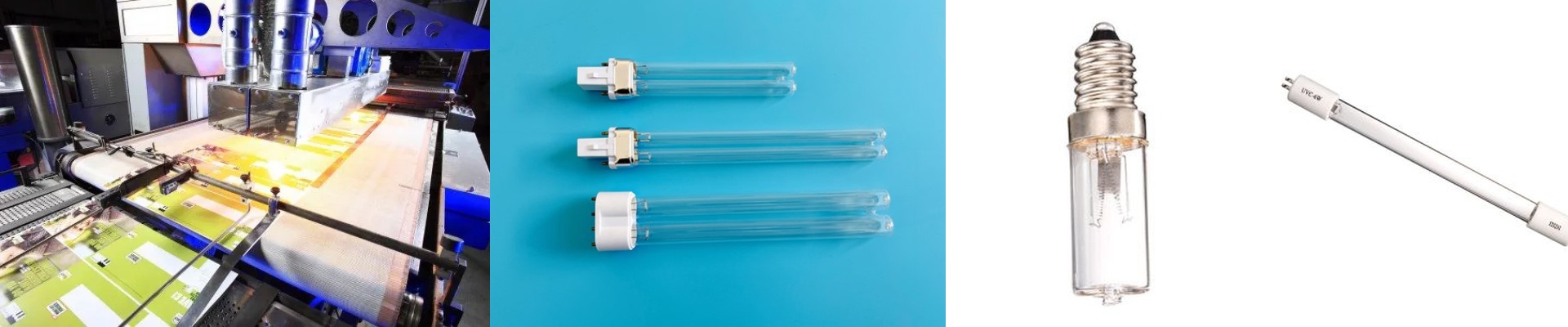
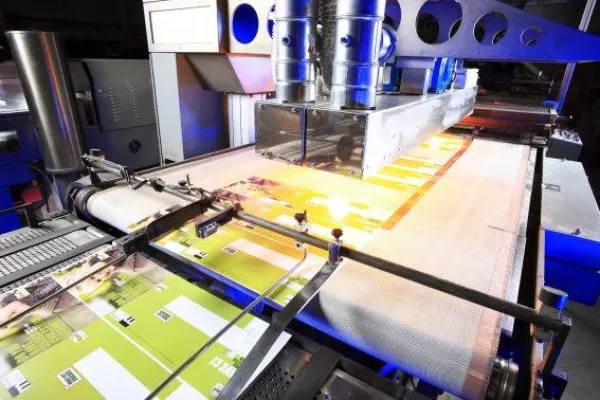
On a fully automatic elliptical screen line, the bottleneck is usually the flash-dry interval, not the print head. If the UV lamp can’t hit the energy density you need in milliseconds, the chain slows down and the ink stays undercured. We built a high-pressure mercury vapor lamp to run in step with that cadence, so you can cut flash-dry time and push OEE up. What matters under the hood The lamp holds a stable arc, and its spectral output is centered at 365 nm—right where the photoinitiators in UV coatings and inks need it. At the substrate plane, peak irradiance tops 12 W/cm², so you can clear curing energy densities above 800 mJ/cm² in a single pass. A dichroic-coated reflector focuses the output while keeping IR heat down, and the ozone-free quartz envelope keeps the work area clean and plays nice with sensitive substrates. Output stays flat across the lamp life, dropping less than 5% after 5,000 hours at rated power. And here’s why it fits elliptical screen printing. The web moves continuously and the dwell window is short. This lamp shortens the flash-dry time per station, so cycle time drops and throughput climbs without adding stations. The concentrated spectral energy drives cross-linking fast enough to keep up with the motion, so you get a tack-free cure right after impression. You also use less energy, because the lamp fires for milliseconds instead of seconds, and fewer lamp swaps mean less downtime. A few shop-floor details. Match the lamp to the fixture’s reflector geometry and the printer’s power supply. Mismatched reflectors waste irradiance, and undersized ballasts will clip the arc. Check substrate reflectivity and thermal limits, because high irradiance can stress heat-sensitive materials. Expect a bit more ambient heat near the lamp head—keep airflow steady and maintain a 10 mm standoff to protect spectral output and lamp life.