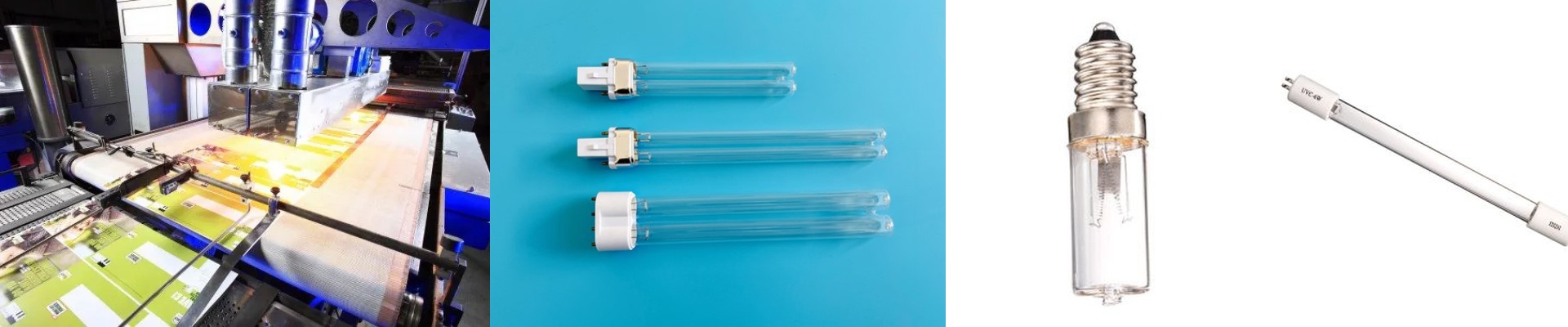
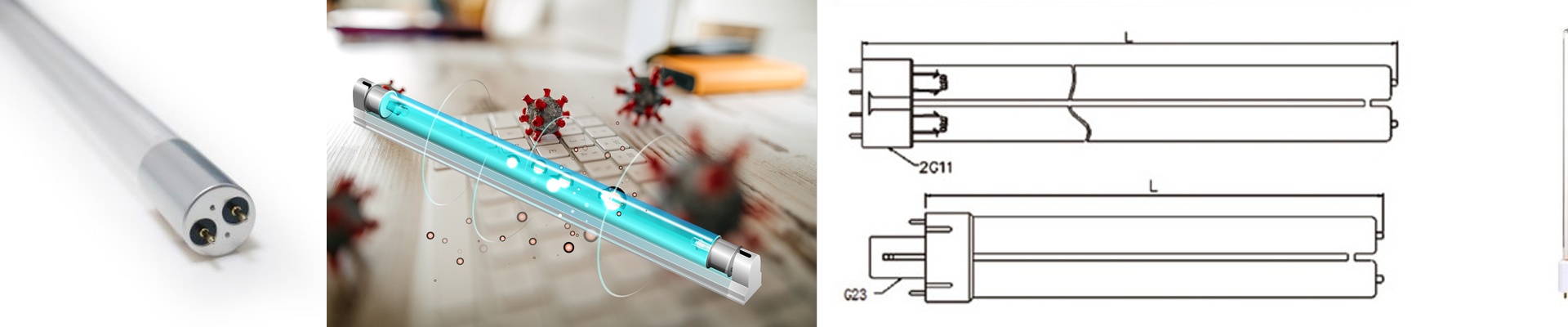
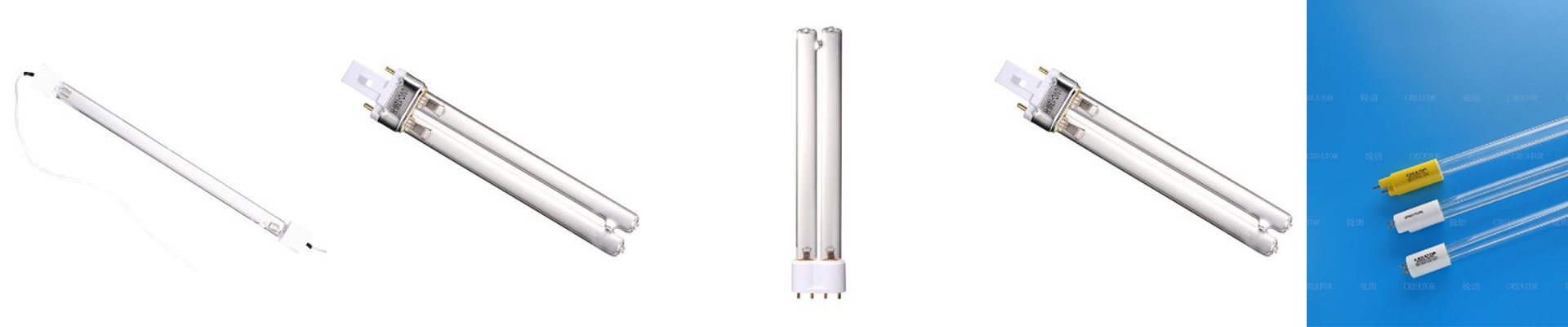
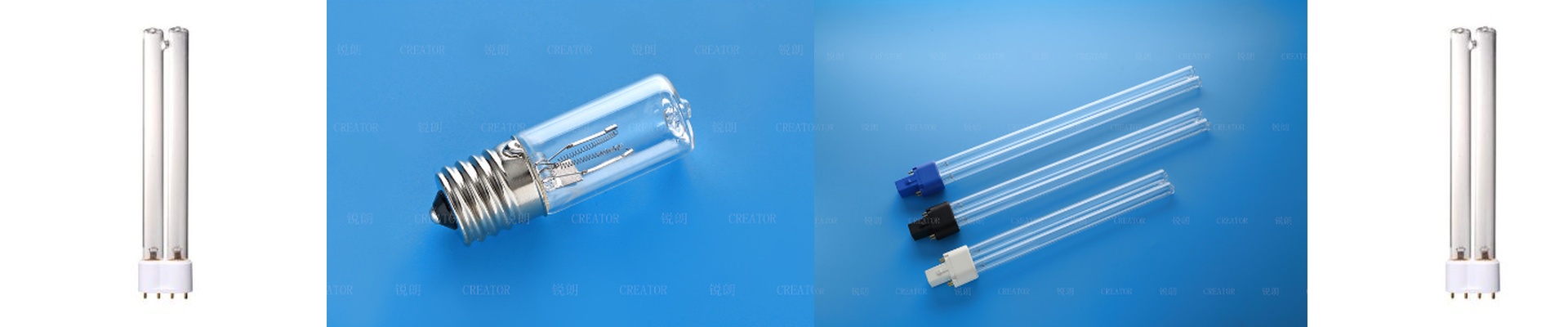
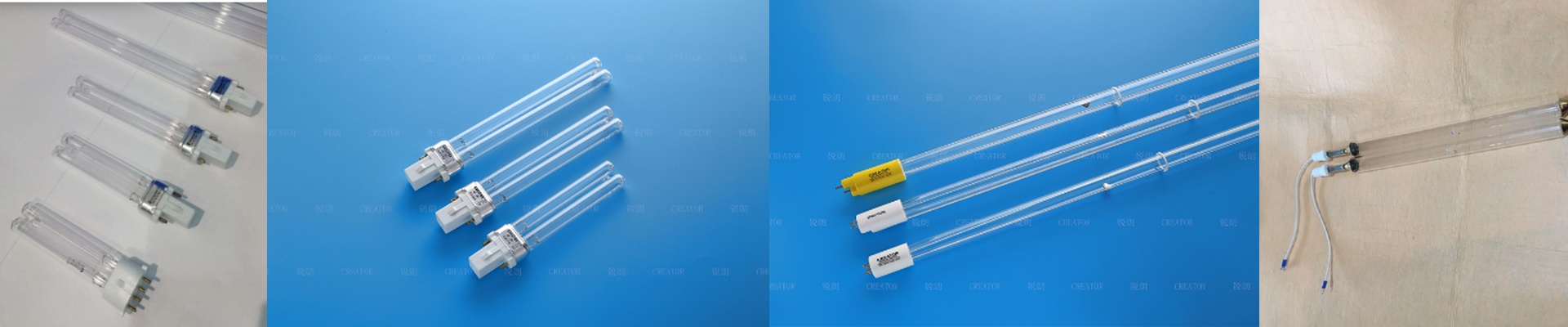
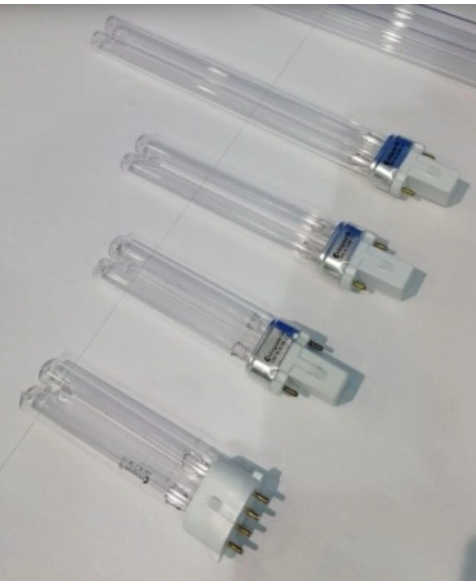
Running a KTK elliptical on the floor, you know the stop-start beat is brutal. Every jog, every registration tweak, hammers the lamp with thermal shock. Standard replacements crack, output falls off, and cure consistency goes sideways. So we built a Hanovia-compatible UV lamp that can take that rhythm without losing spectral output or uptime. Here’s what matters: you have to deliver the right energy budget to the ink. This lamp keeps the mercury vapor profile centered on 365 nm — the wavelength that breaks down photoinitiators in most offset, flexo, and screen UV inks. Peak irradiance stays above 12 W/cm² at the arc distance used in KTK machines, which translates to 600–900 mJ/cm² per pass. That’s enough for full cross-linking, even when line speed jumps between 200 and 800 fpm. A dichroic-coated reflector keeps the envelope cool, and the ozone-free quartz prevents the kind of overheating that kills filaments early. The reason it holds up in this environment is start tolerance. We beefed up the electrode interface and pre-heat control so it can handle 30,000+ hot starts a month. The lamp keeps output stable through frequent jogs, so surface cure stays consistent, residual tack disappears, and off-spec sheets drop. Power draw stays within the original Hanovia footprint, but lamp life stretches to 3,000+ hours under high-cycle duty — fewer changeouts, lower cost per cured impression. A few practical notes. Make sure the reflector geometry and arc length match your KTK module; if they don’t, irradiance uniformity will suffer. Check ballast compatibility and connector polarity before installation — mismatched drivers introduce current ripple that shortens lamp life. Expect a 5–8% warm-up ramp before hitting full output. And run a radiometer to track mJ/cm². If you’re pushing near peak duty cycles, plan preventive replacement around the 2,500-hour mark.