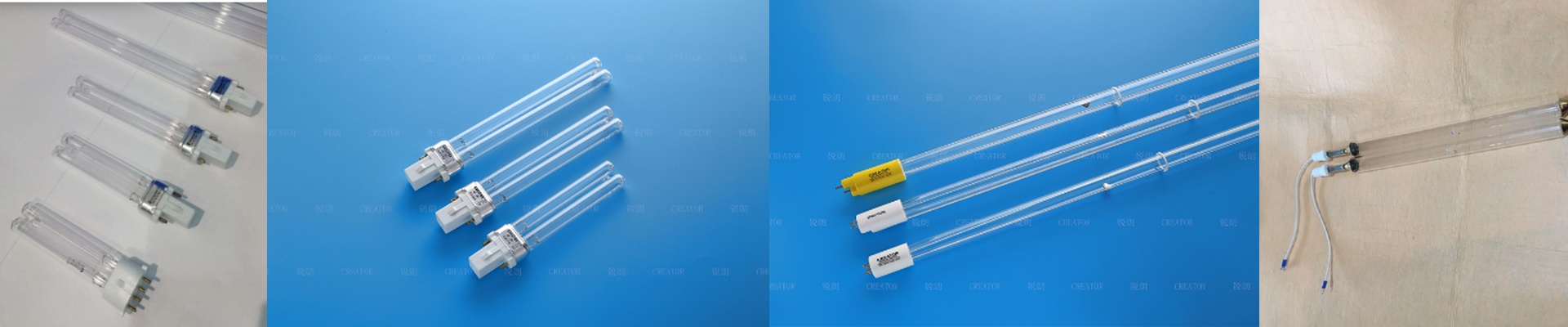
UV Curing That Actually Fits Your Shop
Most UV lamp systems are built for the giants. You know the ones—massive industrial lines that take up half a warehouse. If you run a small or medium shop, you’re usually stuck with generic, off-the-shelf lamps that don’t quite fit your space or cure your ink fast enough. It’s frustrating. We started building custom UV lamps because there should be a middle ground. You need high-output curing, but you shouldn’t need a corporate budget to get it.
Getting the Tech Right
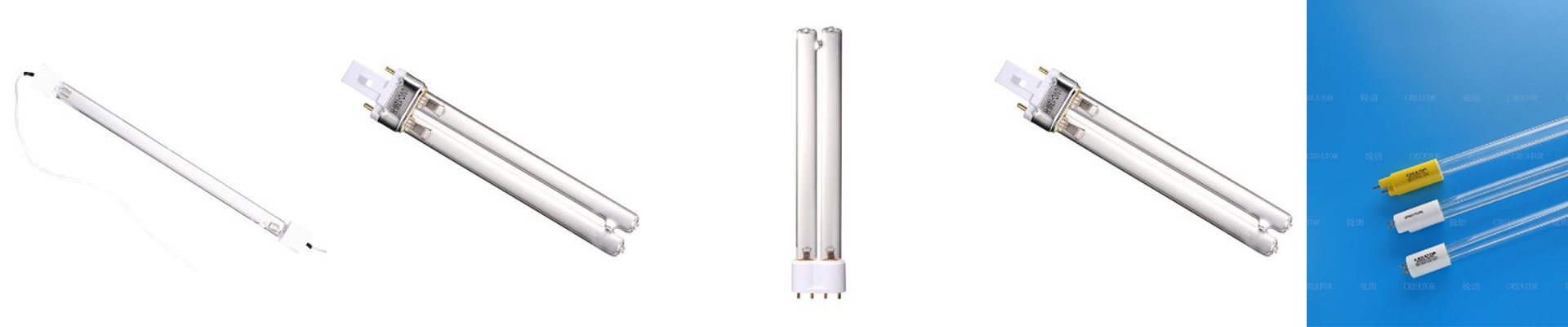
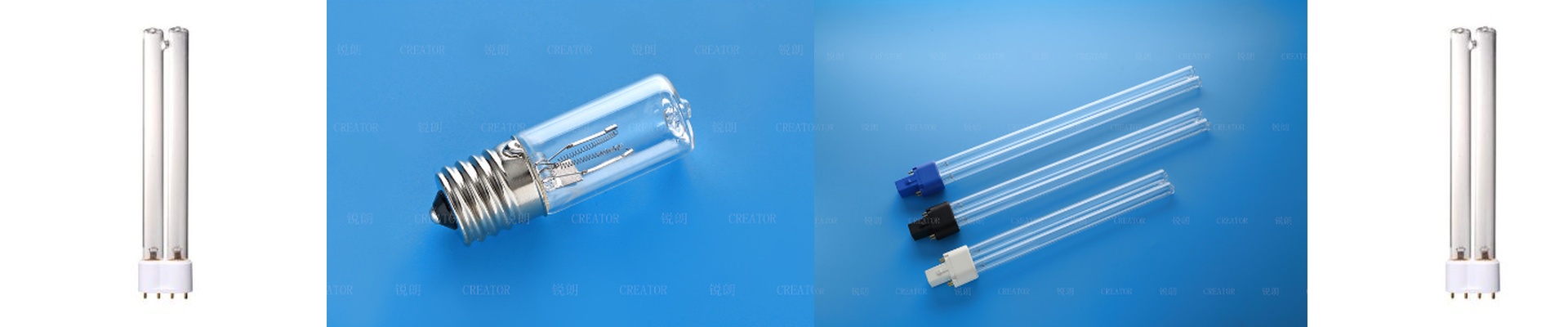
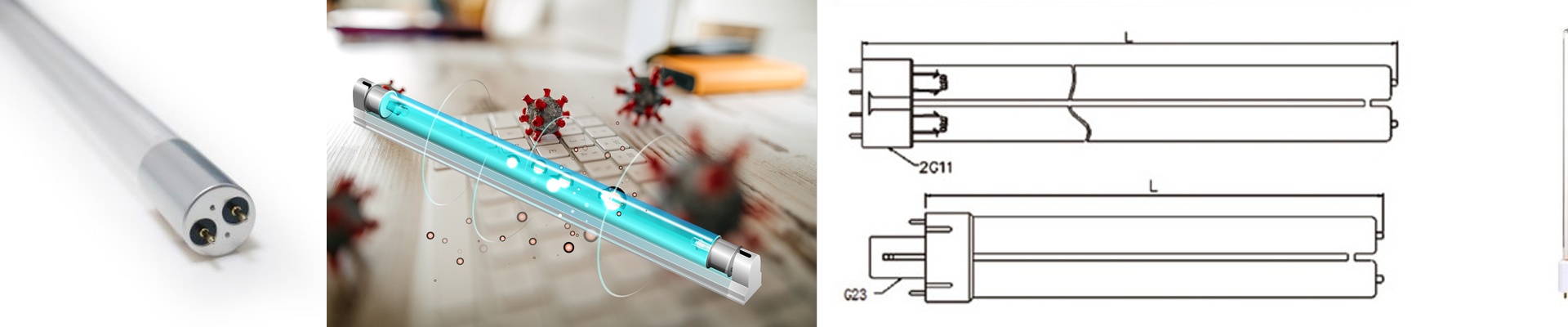
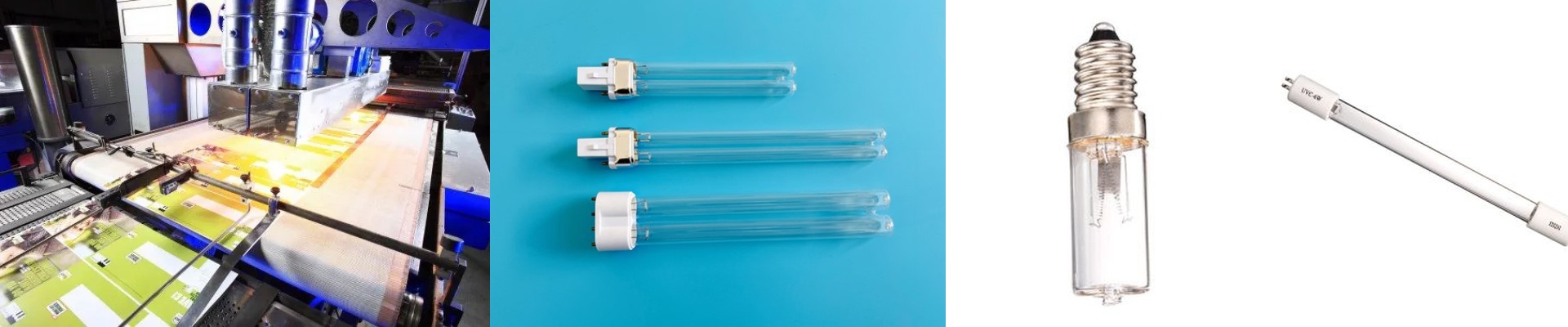
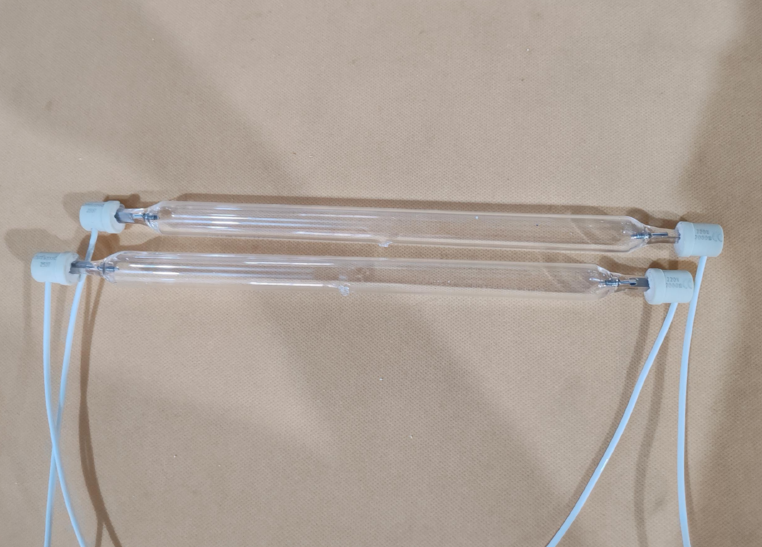
Here’s the thing: curing only works if the lamp’s light actually talks to the photoinitiators in your ink. If they aren’t a match, you’re just wasting electricity. We tweak the wattage and tube length so you get a steady, strong hit of light across the whole piece. If you’re working with a narrow belt, we use shorter, high-intensity lamps. It stops you from wasting energy and, more importantly, keeps your materials from overheating and warping. And then there’s the seating. We’ve all seen those “zebra stripes” on a print—those annoying uneven lines caused by lamps that aren’t sitting quite right. It’s usually a wiring or alignment issue. To fix that, we machine our housings to be incredibly precise. The lamps sit flush. No gaps, no stripes.
Power vs. Heat
More wattage means you can speed up your line. That’s the dream. But there’s a catch: pushing that much power into a small lamp creates a ton of heat. We use high-grade quartz to handle the brunt of it, but you’ve still got to keep an eye on your airflow. Make sure your exhaust fans can actually handle the heat the array is pumping out. If your cooling is weak, your lamps are going to burn out way sooner than they should.
Making it Work for Small Batches
If your shop handles a million different styles and you’re changing jobs every few hours, you can’t afford to spend all day recalibrating. You need something you can just drop in and go. That’s why we make our UV modules interchangeable. You can swap a lamp or shift the height of the curing head without having to tear the whole machine apart. It gives you the freedom to tune the distance based on how thick your ink is or how sensitive your material is to heat. It just makes the whole process feel a lot smoother.