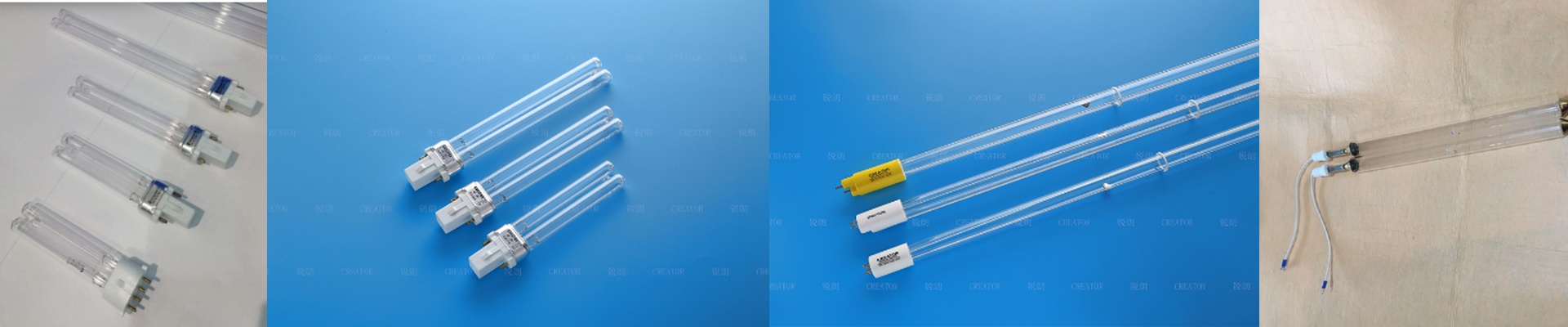
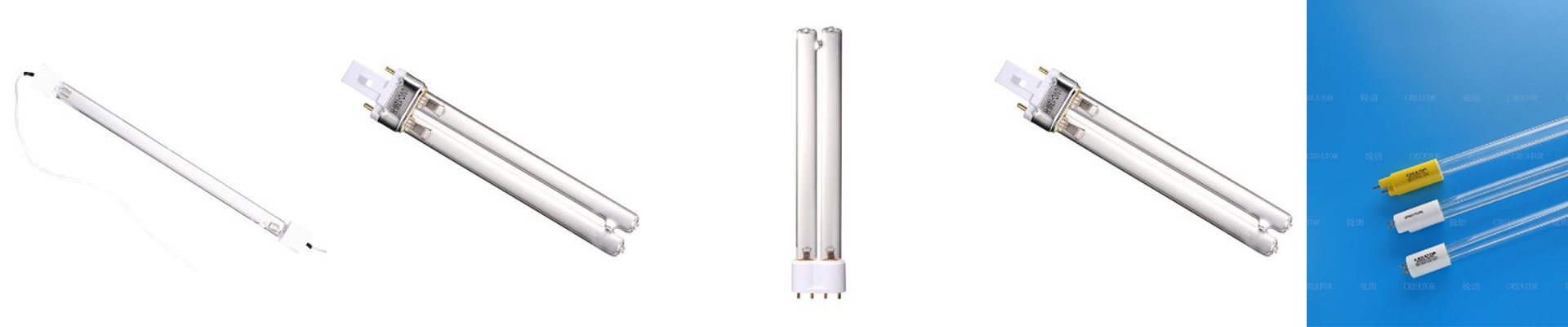
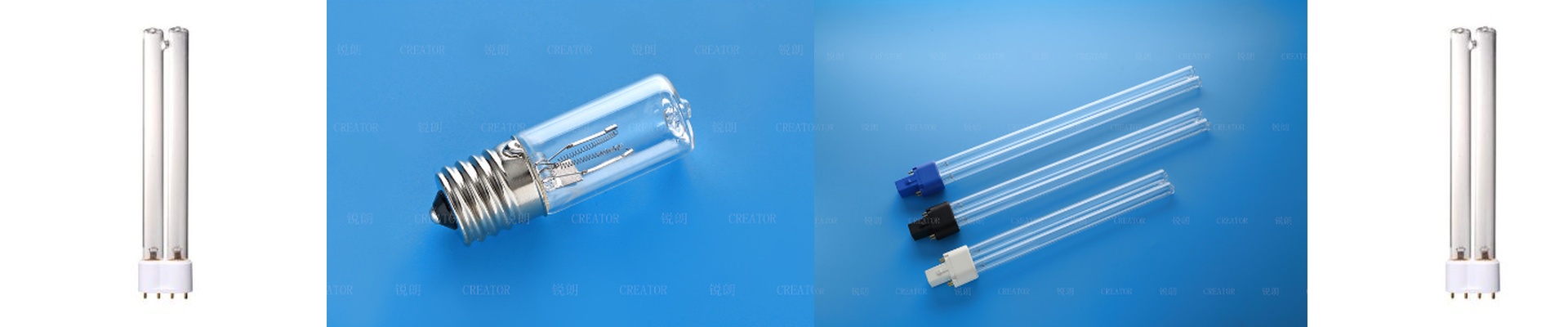
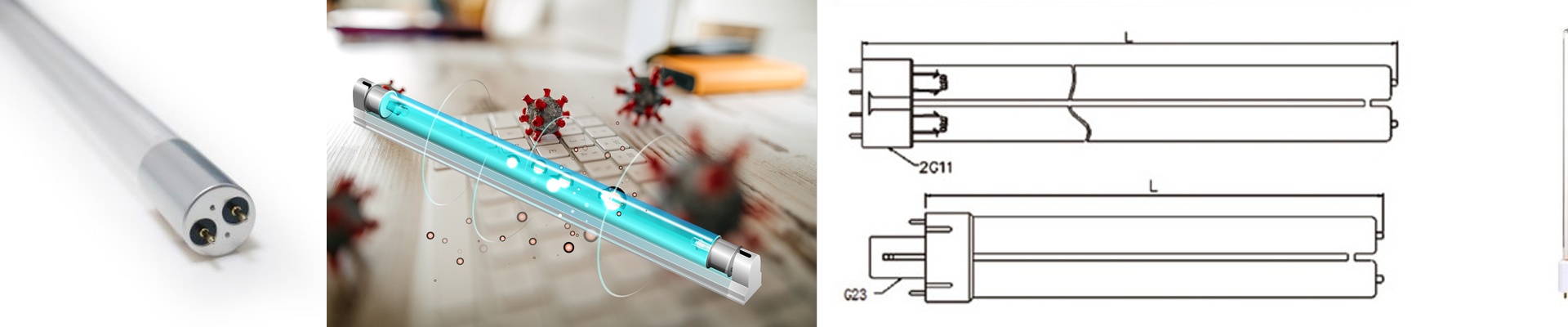
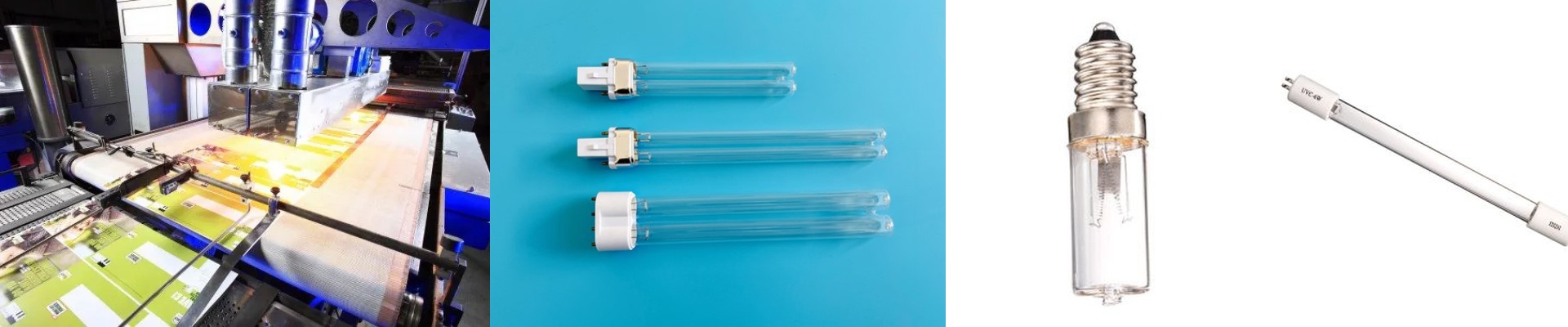
Why that CE Mark Actually Matters for Your Mercury Lamps
If you’re planning to ship high-pressure mercury lamps into the EU or any high-end global market, you can’t just wing it. You can’t just toss them in a crate and hope they clear customs or that some technician will actually agree to install them in a professional line. That CE mark? It’s not just some bureaucratic sticker. It’s the only way to prove the lamp won’t freak out your electrical system or, worse, become a safety hazard.
The messy reality of mercury discharge
Here is the thing about these lamps: they’re intense. You’re basically creating an electric arc through vaporized mercury. That means a ton of UV-C radiation and a whole lot of heat. From a practical side, you’re dealing with a high-voltage component. If the quartz envelope is off by a fraction or the end-cap seals aren’t exactly right, you’re looking at electrical interference or a total thermal meltdown. We build our lamps to handle that kind of stress. But without that certification, you’re just taking our word for it. The CE mark is the actual proof that the insulation can take the heat and your ballast isn’t going to blow a fuse the second you flip the switch.
No one likes a gamble
High-end buyers aren’t in the business of guessing. If a lamp fails and sparks a fire—or leaks mercury all over a production line—the person who installed it is the one who gets the blame. That’s why we test for things like dielectric strength and leakage current. It turns the lamp from a “random part from a catalog” into a component you can actually trust. It means you get a replacement that just works. It fits the footprint, it does the job, and it doesn’t trip your circuit breakers. Simple.
The honest trade-off
I’ll be straight with you: getting these certifications takes time. It slows down production. Instead of just shipping the first unit that rolls off the line, we have to run rigorous batch tests. It costs more upfront, too. But think about the alternative. It’s much cheaper to spend a bit more now than to have your entire shipment seized at the border or have a client reject a whole batch because the paperwork isn’t there. It’s just better to do it right the first time.