Getting Your UV Curing Right in Textile Printing
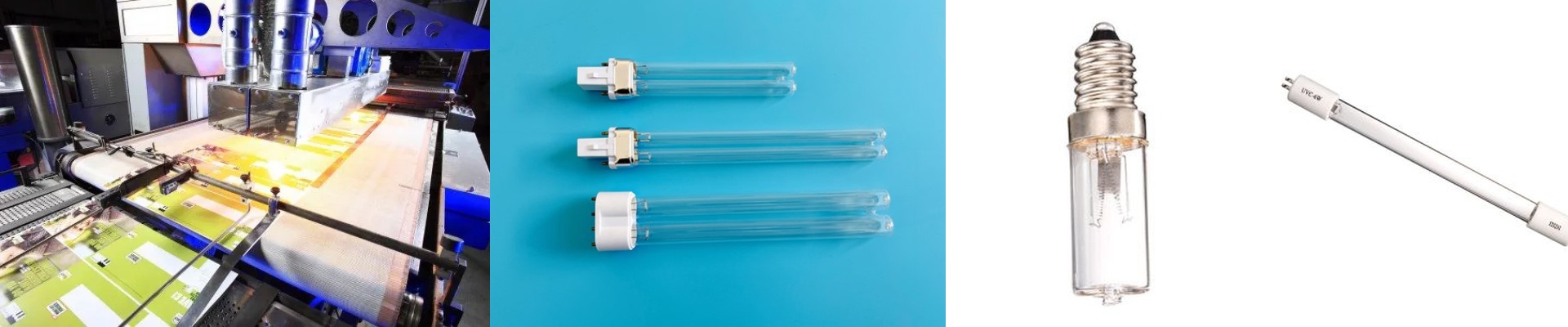
When you’re printing on fabric, those UV lamps aren’t just there to light up the room. They’re doing the heavy lifting. Think of them as a trigger that tells the ink to stop being a liquid and start being a solid—and it has to happen now. If you get the wavelengths right, the ink snaps into a solid film instantly. No smudging, no blurring. Just a sharp, clean print that actually stays put.
The Balancing Act
Getting a clean cure while the fabric is zooming down a conveyor belt is a bit of a juggling act. You need a lot of power—what we call high irradiance—to make it work. Here’s the thing: if you speed up the line, you’ve got two choices. You either crank up the power or move the lamp closer to the fabric. But be careful. High-wattage tubes put out a lot of heat. If you push it too hard, you might end up shrinking your synthetic fibers or, worse, scorching the cloth. It’s all about finding that sweet spot between speed and heat.
The Nitty-Gritty Hardware
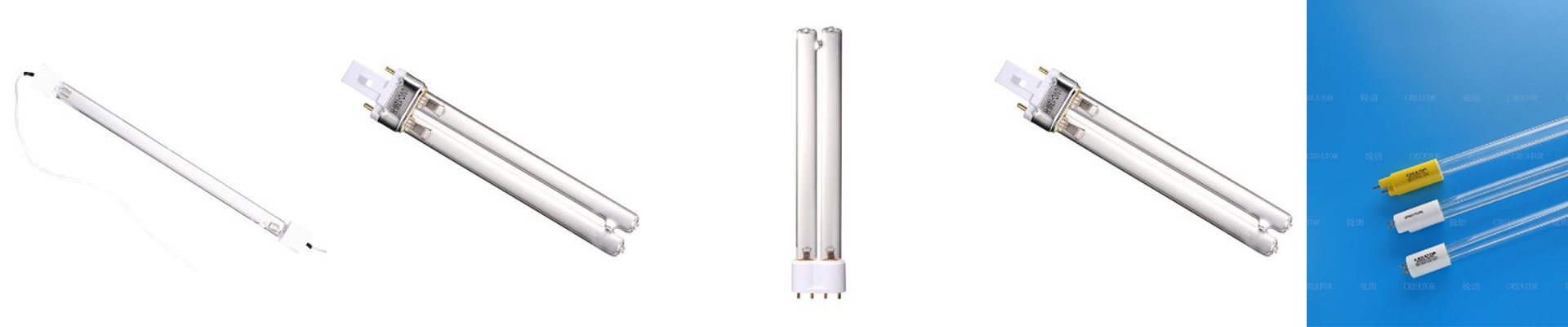
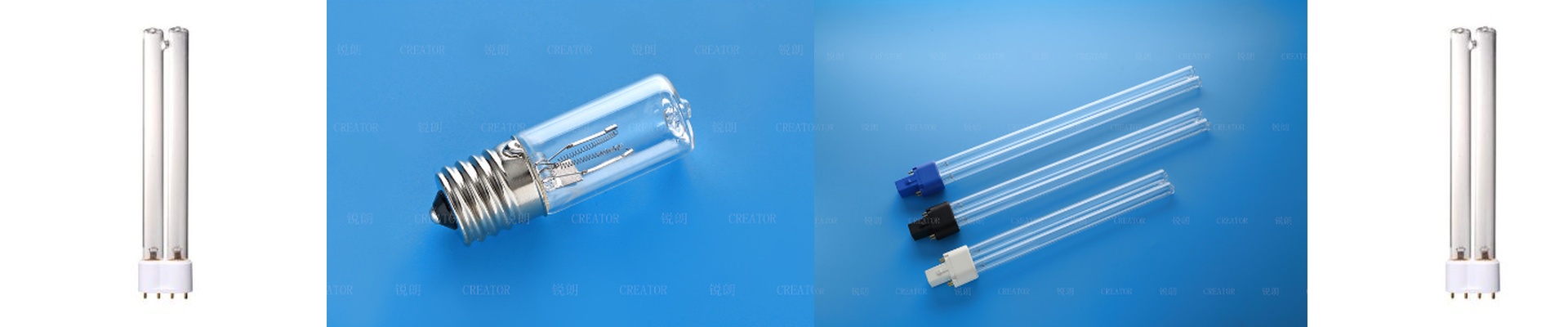
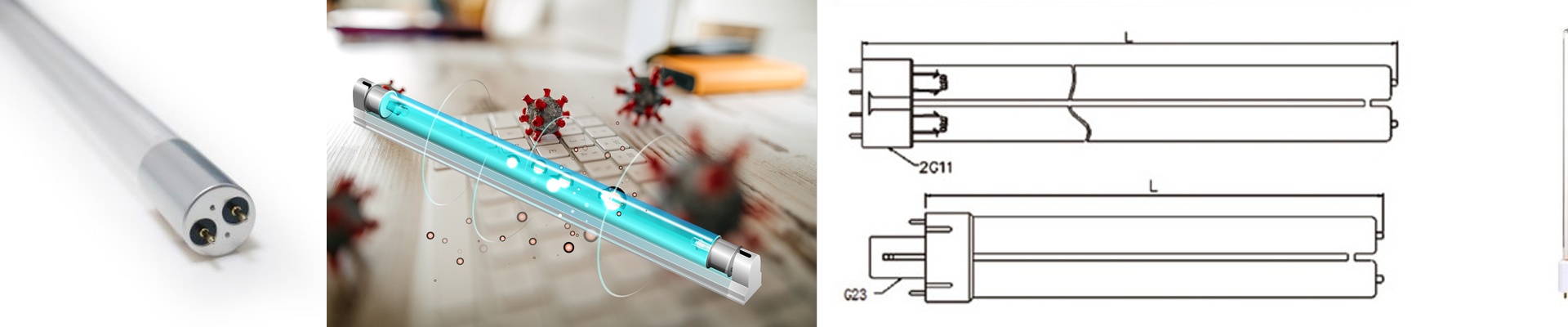
You can’t just use any old glass here. Standard glass blocks UV rays, so we use high-purity quartz. It lets the light through without fighting it. We also obsess over where the electrodes sit. Why? Because “dark ends” are a nightmare. You want the cure to be exactly the same from the left edge of the fabric to the right. Plus, you need a steady power source. Whether you use magnetic or electronic ballasts, the goal is to stop the lamp from flickering. If the light flickers, you get “zebra stripes” in your ink. One flicker and the whole batch is trash.
Keeping Things Running on the Floor
Space is always tight on the shop floor. We design the reflectors to shove all that UV energy straight down, making sure every photon hits the ink where it counts. But here is the part most people forget:keep the tubes clean. Dust and ink mist love to settle on the quartz. When that happens, you get hot spots. Those hot spots stress the glass until it eventually cracks. It sounds simple, but a quick wipe with some isopropyl alcohol is the only way to keep your output steady and your lamps from breaking.