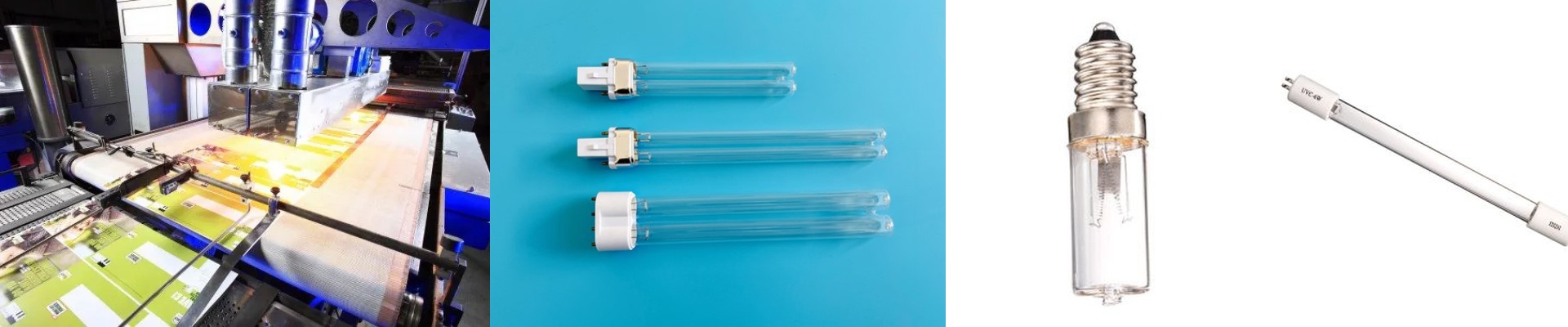
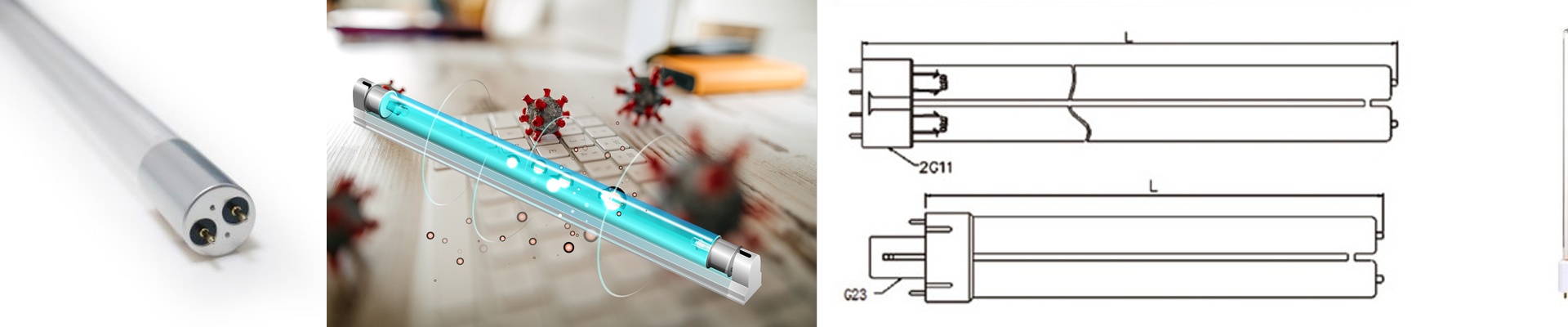
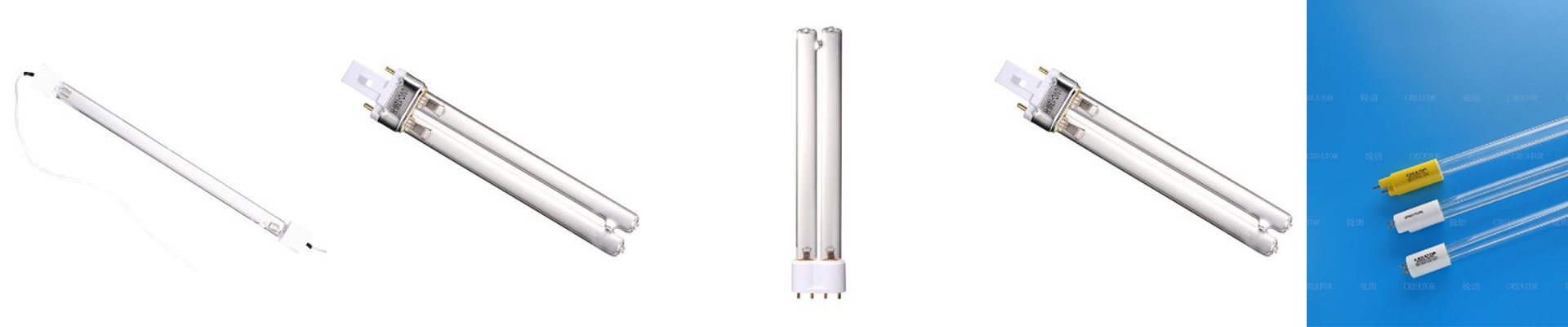
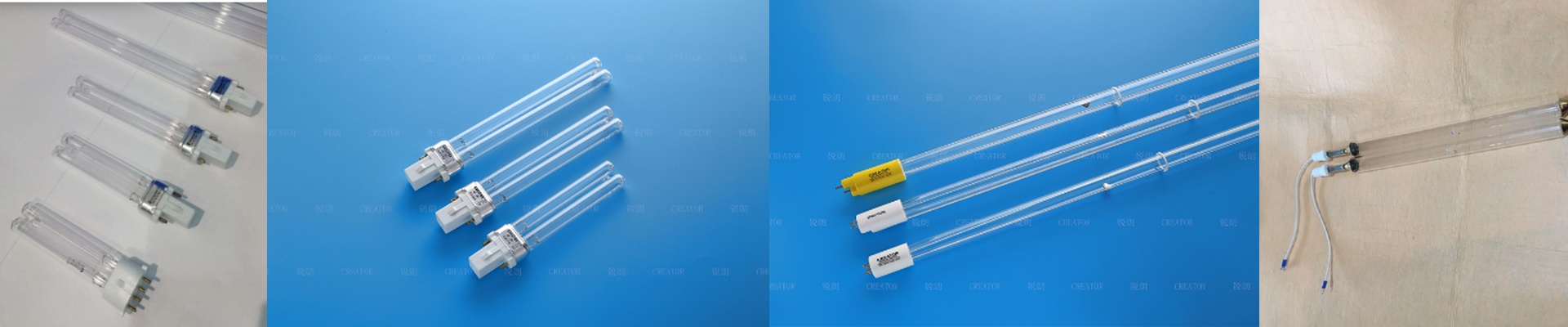
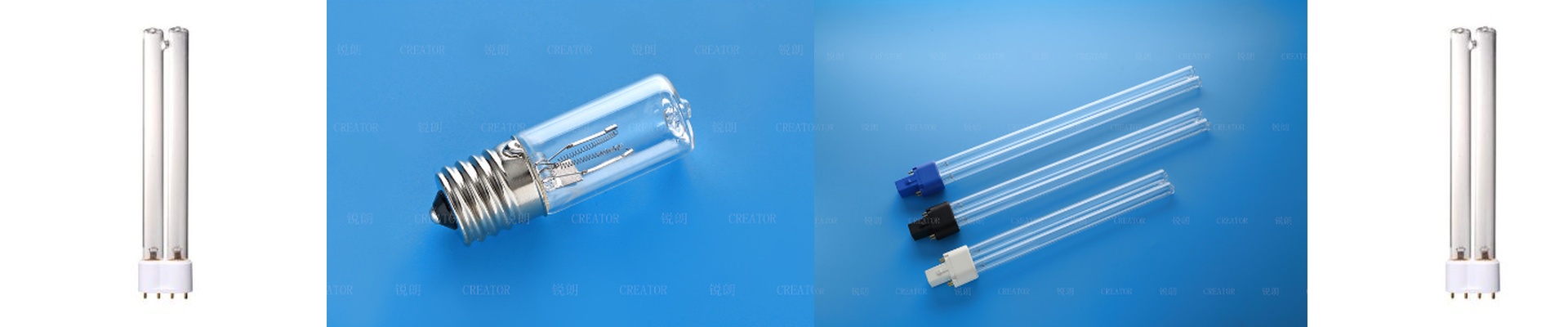
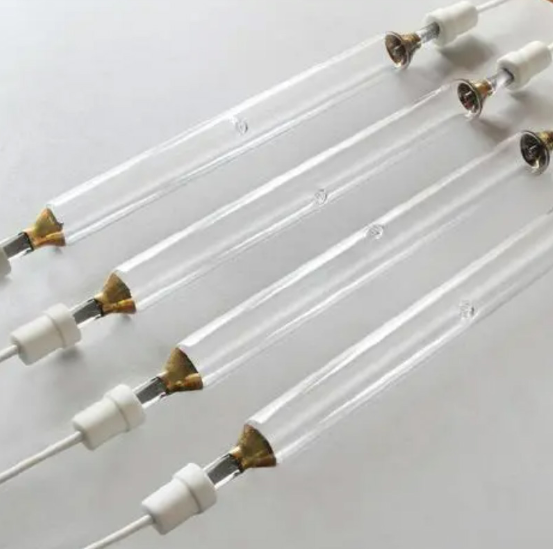
Out on the press floor, a lamp going down mid-run doesn’t just stop the line—it turns in-progress work into scrap. And even when the lamp doesn’t fail, many replacements give you shifting spectral output, so you’re constantly chasing cure issues from unit to unit. We built replacement UV lamps for every major brand to cut that variability out, and we added remote energy monitoring so you can see what’s happening and keep control. The heart of it is spectral stability. Our ozone-free mercury vapor lamps hold tight tolerances across the 365nm, 385nm, and 405nm bands, keeping peak irradiance where it needs to be at the reflector focal plane. You get consistent output above 1,200 mW/cm² at the arc, with less than 5% degradation over 5,000 hours. Precision dichroic coatings and high-reflectivity aluminum reflectors shape the beam profile, packing energy density onto the substrate to drive cross-linking fast—without scorching thin films. That shows up where it counts: high-speed UV offset, flexo, and screen lines. Remote energy monitoring reports lamp intensity, arc time, and energy use in real time, so you can plan maintenance before a failure and keep unplanned downtime off the schedule. The result is quicker job changeovers, fewer reprints, and lower energy costs. And because the lamps are cross-brand compatible, spares are simpler across Heidelberg, Koenig & Bauer, Gallus, and other presses. Installation is straightforward, but do your due diligence before swapping. Check connector types and reflector geometry. On compact narrow-web machines, clearance is tight—verify lamp length and end-cap orientation so nothing hits shields or sensors. Temperature and airflow matter, too. Keep inlet air clean and within the lamp’s specified range; that’s what protects the coating and keeps spectral stability for the full service life.