Getting the Most Out of Our 120W/cm Mercury UV Lamps
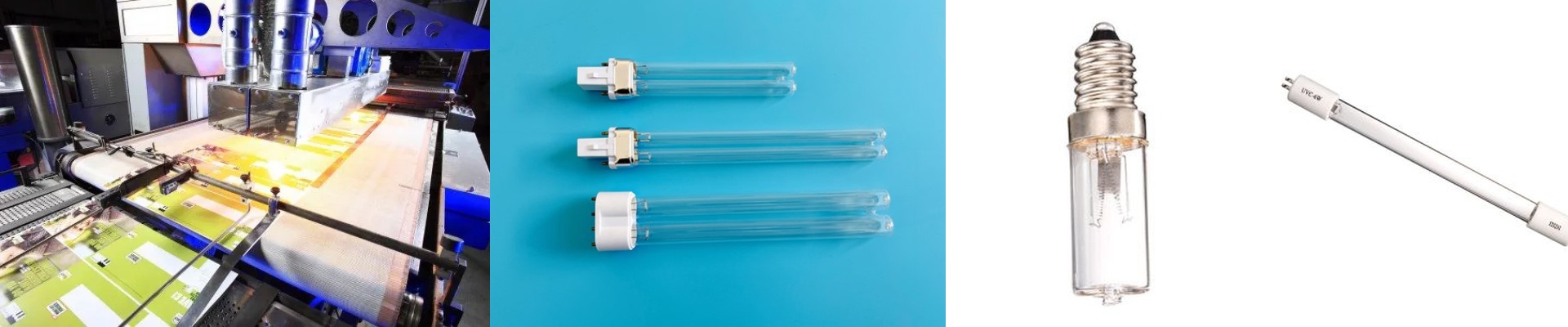
When we set our standard mercury lamps to 120W/cm, we aren’t just picking a number out of a hat. If you’re printing on fabric at high speeds, you’re in a tight spot. You need enough punch to lock that ink in place instantly, but not so much that you end up scorching your material. It’s a delicate balance. The Heat Factor Here is the thing: 120W/cm is a lot of power in a very small space. It’s great for your bottom line because it lets you crank up the line speed. The UV photons hit the ink and bond it to the fibers in a heartbeat. But that kind of energy comes with a catch—it getshot. If your conveyor slows down or your fans aren’t humming along as they should, you’ll see it. Fabrics warp. Ink yellows. It’s a nightmare. Just make sure your cooling setup can actually handle the heat this lamp puts out. How it Actually Works Inside the tube, we’re using mercury-discharge plasma. Basically, we ionize mercury vapor to create those strong UVC and UVB peaks. That’s the “magic” that freezes the ink so it doesn’t smudge. We wrap all of this in high-purity quartz glass. Why? Because regular glass would just soak up the UV rays and probably melt. Quartz lets the light fly straight through to the fabric. Keeping Them Running We built these to be simple drop-in replacements. They fit right into your existing reflectors without any fuss. But if you want them to last, treat them well. Don’t just flick the power on and off rapidly; that stresses the electrodes and kills the lamp early. Give them a proper warm-up and cool-down. And keep an eye on your prints. Once you notice the intensity dipping—usually around 80% of where it started—swap the tube out. It’s much cheaper to replace a lamp than to throw away a batch of shirts with uncured ink streaks.