Why that CE mark actually matters for your UV lamps
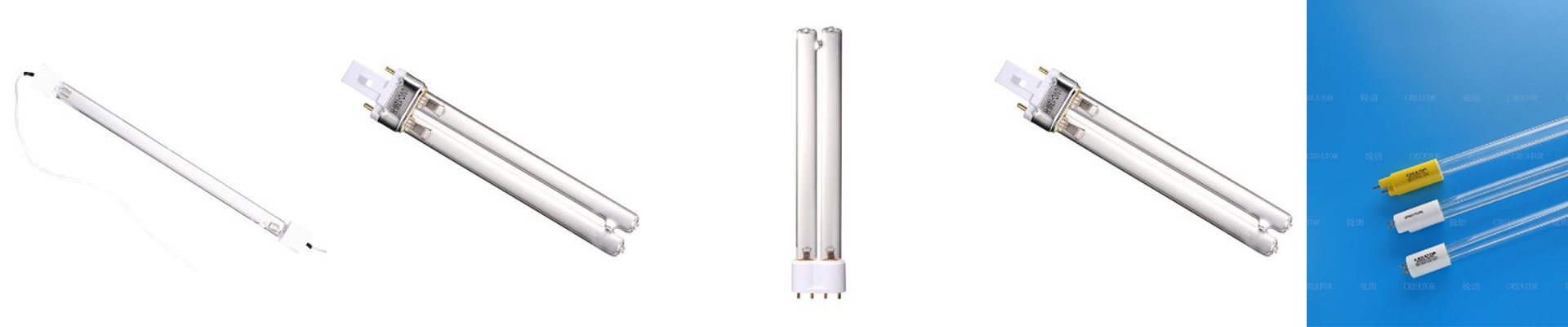
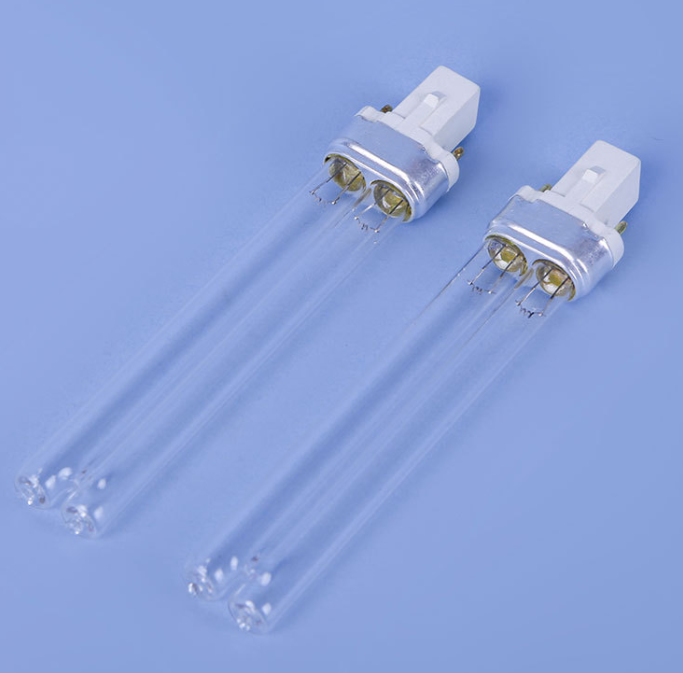
To most people, a CE mark is just a sticker you slap on a box to get it through customs. But when you’re building long-life mercury UV curing tubes, it’s more like a survival guide. It’s the difference between a lamp that does its job and one that fries your ballast or fills your shop with ozone.
It’s more than just paperwork
Here’s the thing: mercury lamps are basically high-pressure ovens made of glass. They get incredibly hot. If the seal on the quartz glass isn’t perfect or the electrodes aren’t welded just right, the whole tube can pop. We spend a lot of time testing for things like dielectric strength and leakage current. It sounds boring, but it’s the only way to make sure the lamp doesn’t short out while it’s running. We aren’t doing this to satisfy some bureaucrat in an office; we’re doing it so you don’t blow your control board on a Tuesday morning.
Getting into the big leagues
If you’re trying to sell into high-end markets in Europe or North America, you can’t just wing it. Those buyers want to know the UV output won’t tank halfway through the lamp’s life. To get that stability, we use specific mercury vapor pressures and doped quartz to stop the electrodes from wearing down too fast. The CE standards basically prove that we actually did the work. Without it, you’re just selling another cheap bulb. With it, you’re providing a precision tool.
The reality of the engineering
There’s a catch, though. Long-life tubes need a bit of patience. You can’t just flip a switch and expect 100% power instantly without risking a burnout. They need a slower ramp-up to protect the electrodes from thermal shock. Plus, you’ve got to make sure your electronic ballast actually matches the lamp’s impedance curve, or you’re just asking for trouble. We build these things to be tanks—designed for 24/7 production lines that never stop. But remember: no certification can save you from a clogged cooling fan. If your airflow is blocked, that quartz is going to warp. Keep your fans clean, or you’ll be replacing your lamps twice as often.