Getting Your Gallium Iodide UV Lamps Right
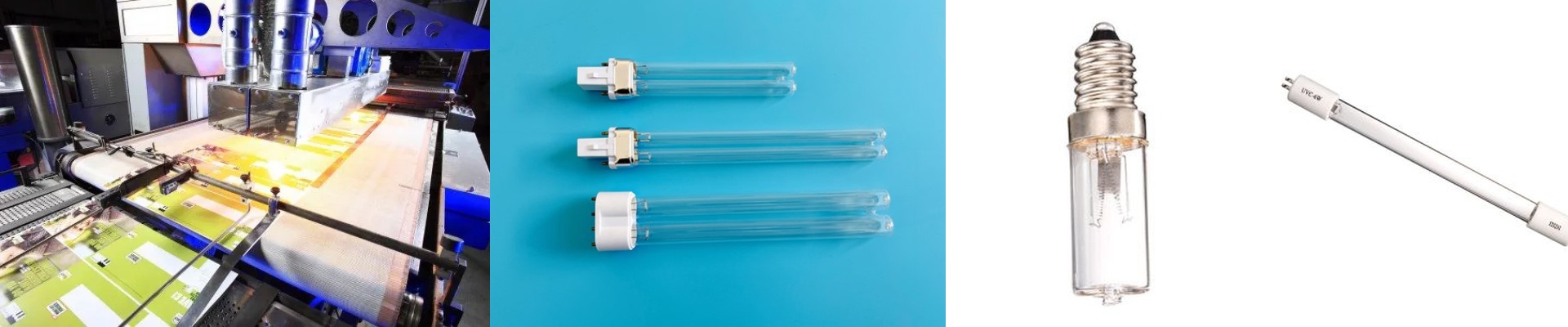
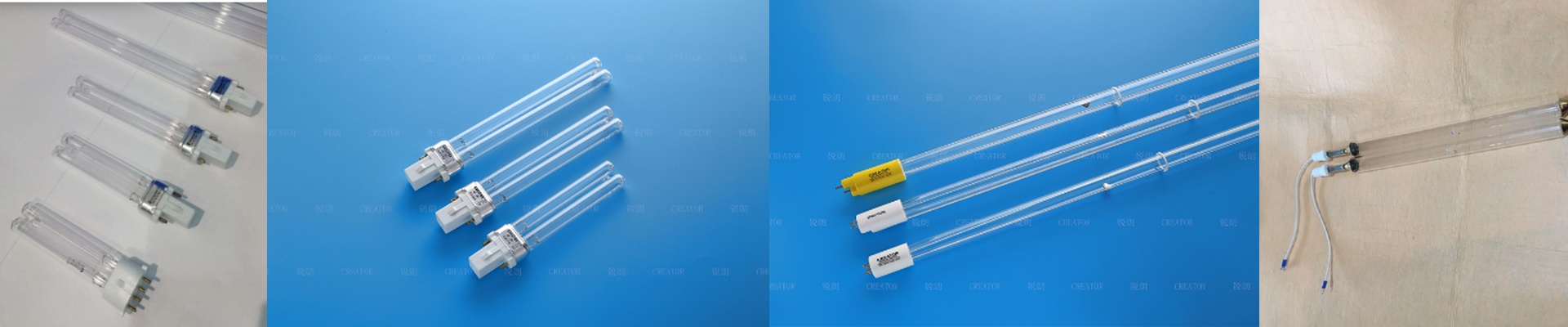
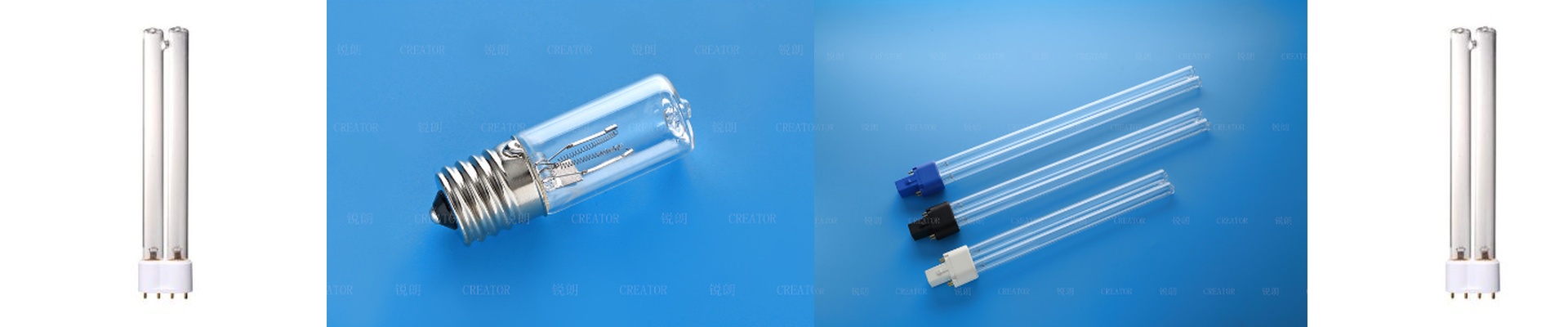
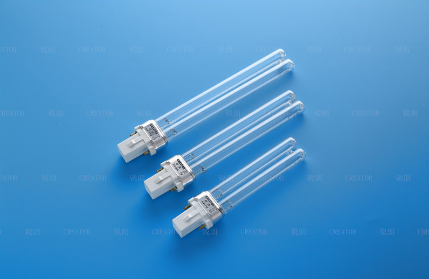
Let’s talk about Gallium Iodide (GaI) lamps. Depending on how we dope them, these things hit specific UV wavelengths—usually around 254nm or 313nm. We build these for the tough jobs, the kind of high-precision curing or sterilization where a standard mercury lamp just doesn’t cut it.
The Deal with CE Certification
You might think CE certification is just some paperwork hurdle. It’s not. Think of it as a sanity check for your hardware. We’re dealing with high-voltage ballasts and intense UV radiation here. If a lamp isn’t CE-marked, you’re basically gambling with the insulation and shielding. One bad batch and you’ve got electrical leakage or, worse, your PLC controllers start acting up because of electromagnetic interference. That’s why we stick to the Low Voltage Directive (LVD). It means when the voltage spikes or the heat climbs, your wiring and housing aren’t going to melt or burn out. It just works.
The Balancing Act of GaI Design
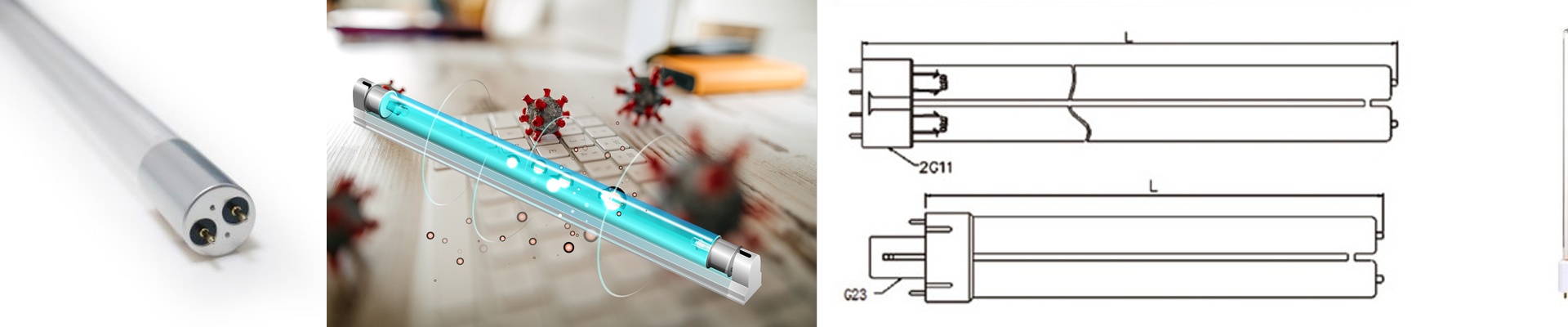
Here is the tricky part: when you tweak the wattage or the length of a GaI tube, you change the thermal load. It’s a trade-off. You want more power? Great. You’ll get faster curing speeds. But that extra punch puts a lot of stress on the quartz envelope. If your cooling system isn’t up to the task, the tube overheats. And once that happens, the lifespan of the gallium iodide filling drops fast. You have to get the airflow right, or you’re just wasting money on replacements.
Making It Work in the Real World
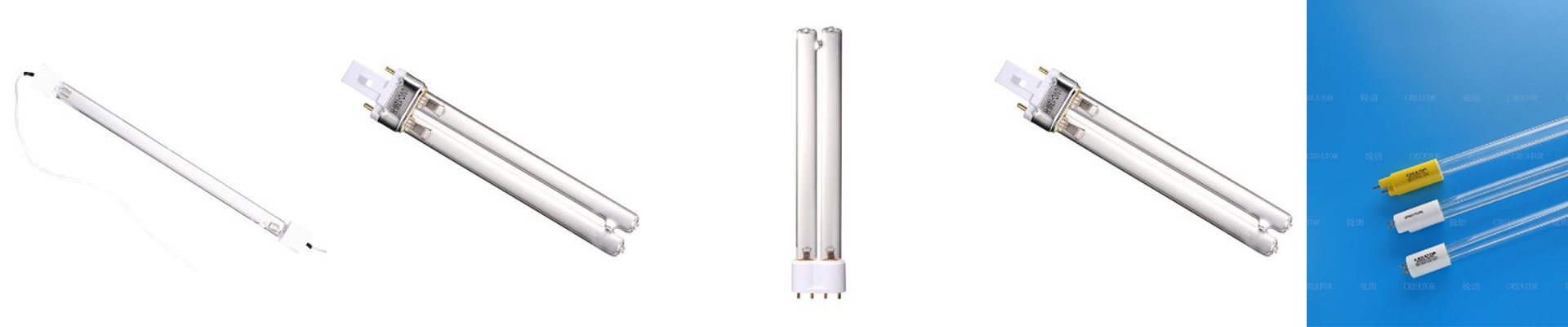
If you’re running a shop in the EU or North America, CE is your baseline. It’s the peace of mind that your lamp won’t trip the breakers or fail a surprise safety inspection. We handle the certifications so you can just drop these lamps into your setup. You don’t have to spend your weekend rewriting your entire safety protocol or treating your equipment like a fragile prototype. It’s the difference between a science project and a piece of industrial gear that’s actually ready for the factory floor.