Making UV Curing Less of a Headache: The Truth About Gallium Iodide Lamps
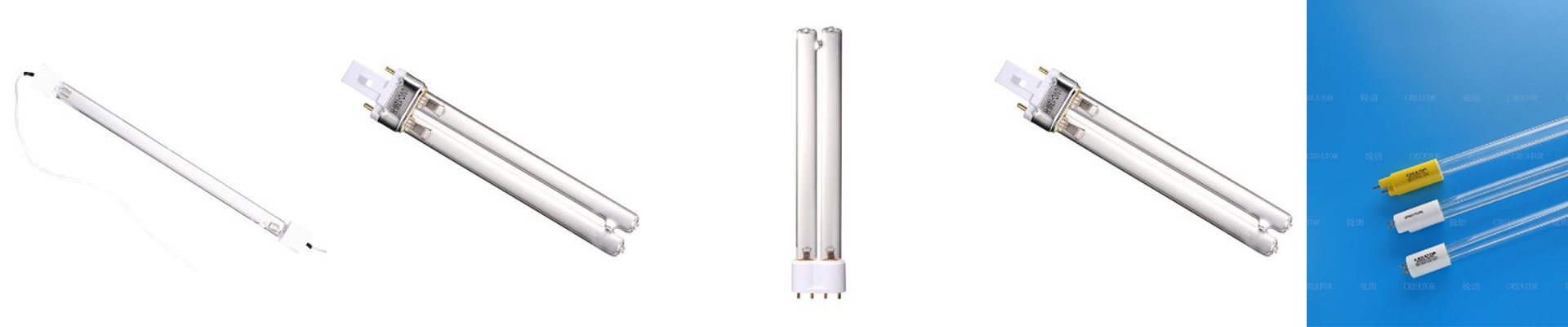
If you’ve ever dealt with standard mercury lamps, you know the drill. They burn out way too fast, and when they do, you’ve got a hazardous waste nightmare on your hands. It’s a mess. That’s why we shifted to gallium iodide. These lamps hit specific UV wavelengths that actually sink deep into thick coatings or heavy pigments. If you’re curing something dense, these are your best bet.
Why the chemistry matters
Most UV setups rely on mercury. It works, sure, but the disposal process is a total pain. We ditched the toxins. By using gallium salt and a high-purity quartz envelope, we’ve shifted the emission spectrum. What that means for you is a deeper cure in your polymers without cranking up the heat so high that your substrates start to warp. You get the cure you need without melting your product.
Built to actually last
Here is the thing: most lamps die because the seal between the electrode and the glass cracks. It happens every time the lamp heats up and cools down. We fixed that with a reinforced fusion process. It keeps the pressure stable and stops leaks. We also tweaked the gas fill pressure to stop the electrodes from “sputtering” onto the tube walls. Look, physics is physics. Your output will drop over time. But we’ve built these to hold onto their power way longer than the cheap, generic stuff you find online.
The “Gotchas” (What you need to know)
These are mostly drop-in replacements, so they’ll fit right into your current arrays. But they aren’t “instant-on” like a lightbulb in your kitchen. They have a specific warm-up profile. You can’t just flip a switch and expect 100% power immediately. You’ll need to tweak your timing controllers to give them a moment to ramp up. And a word of advice on cooling: don’t trust the “theoretical minimum” on your spec sheet. If you run these at max wattage without enough airflow, you’ll cook the quartz and kill the lamp.**Keep your fans humming.**Over-spec your cooling, and your lamps will thank you.