We Spent 15 Years in the Shadows. Here’s What We Learned About UV Lamps.
For a decade and a half, we were the “silent partner.” We built the guts of the machines for the big international brands while they took the credit. But honestly? That was the best thing that could have happened to us. We spent those years in the trenches, watching UV lamps fail in the middle of chaotic production lines and figuring out exactly why it happens. Now, we’re putting our own name on the box.
It’s not just about the power
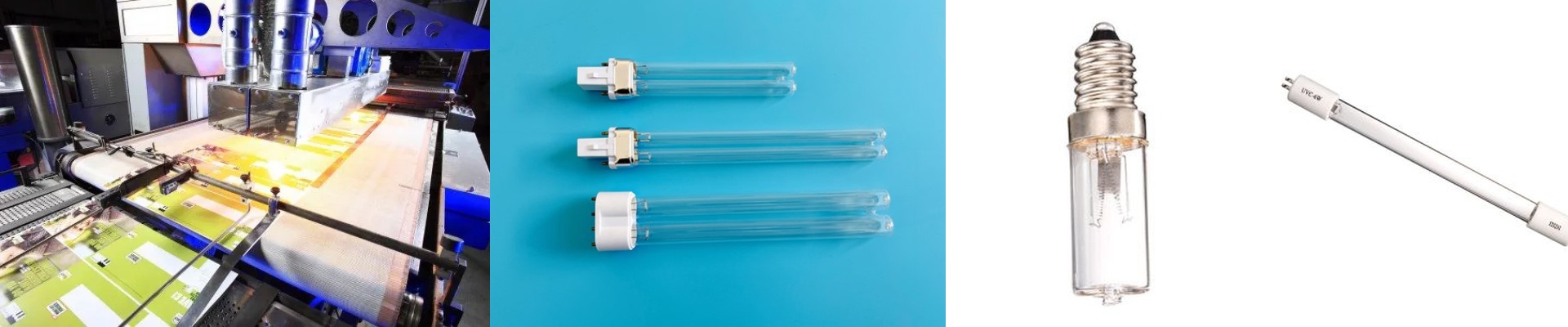
Most people just look at the wattage. But that’s a mistake. What actually matters is how the light is spread across the tube and how steady that arc stays. If you’re running a high-speed line and your UV intensity dips for even a second, you get “soft spots.” Your coating doesn’t set, your adhesive fails, and suddenly you’re throwing away a whole batch of product. We spent a lot of time obsessing over where the electrodes sit. We got them centered perfectly so the plasma arc stays put. It stops the glass from overheating in one spot, which is usually why the cheap stuff burns out way too early.
The glass actually matters
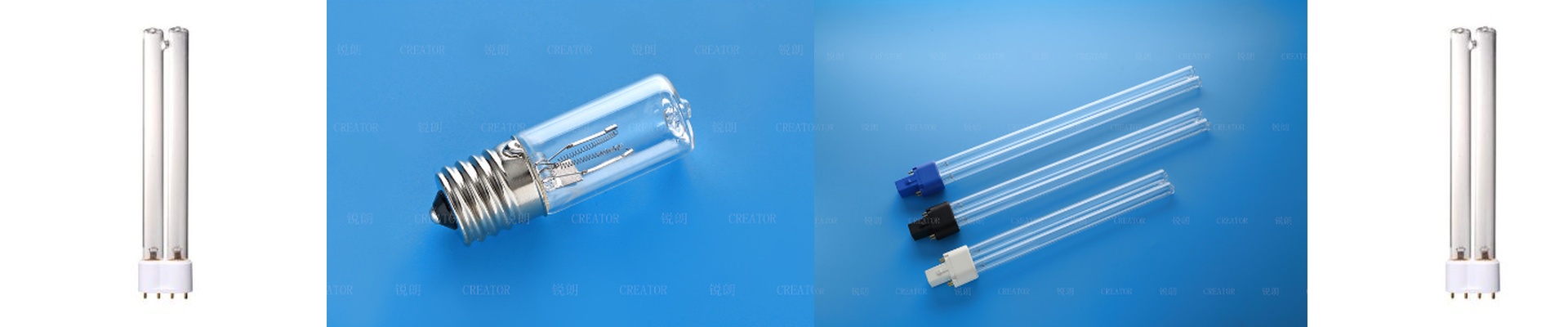
We use high-purity fused quartz. It’s not just about making the light clear; it’s about survival. In a real factory, lamps aren’t just “on.” They’re cycling on and off, over and over. Cheap glass can’t handle that kind of thermal shock—it just cracks. Our tubes can take that rapid expansion and contraction without breaking a sweat or losing their vacuum. Depending on what you’re doing, we can tweak the coatings for shortwave or longwave UV. Just a heads-up: if you go with a thicker coating for more output, it creates more heat. You’ll want to double-check that your cooling fans are actually pulling that heat away from the reflector, or you’re just asking for trouble.
No one wants to spend all day installing a bulb
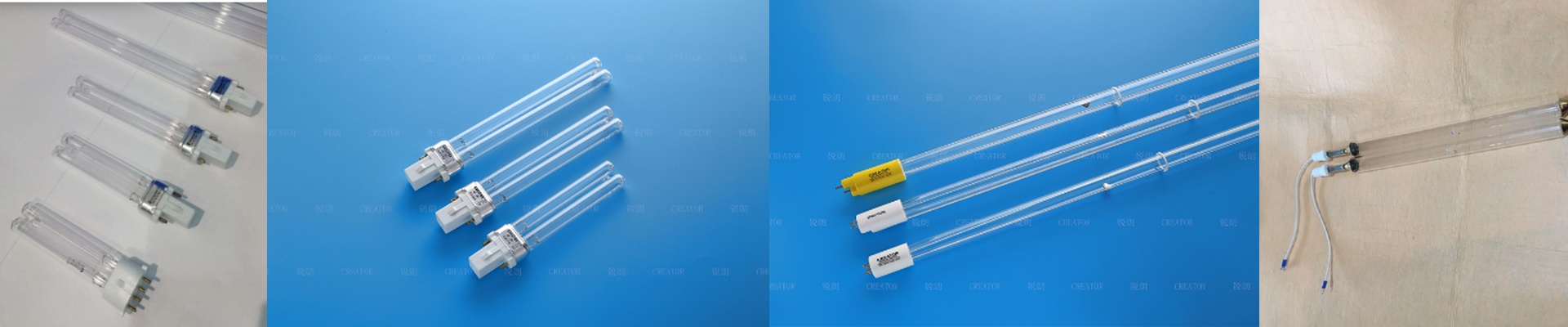
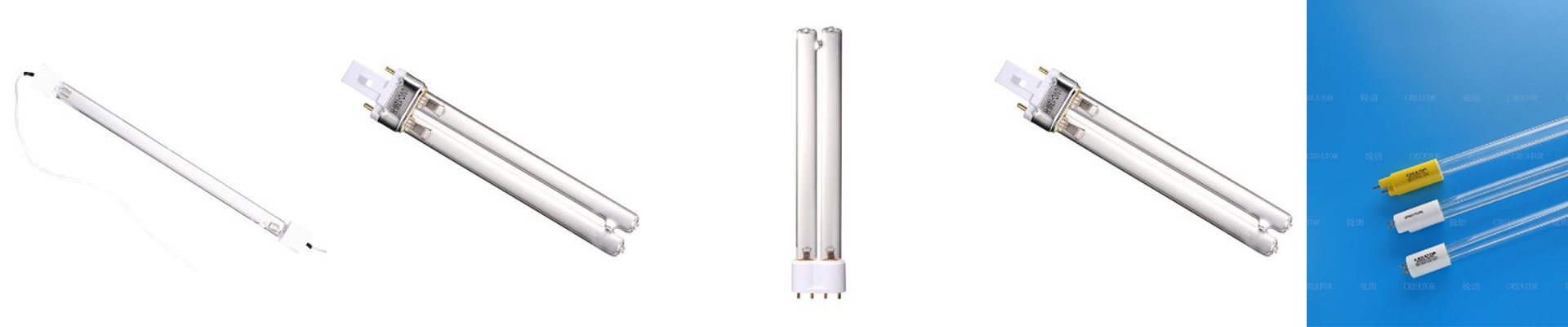
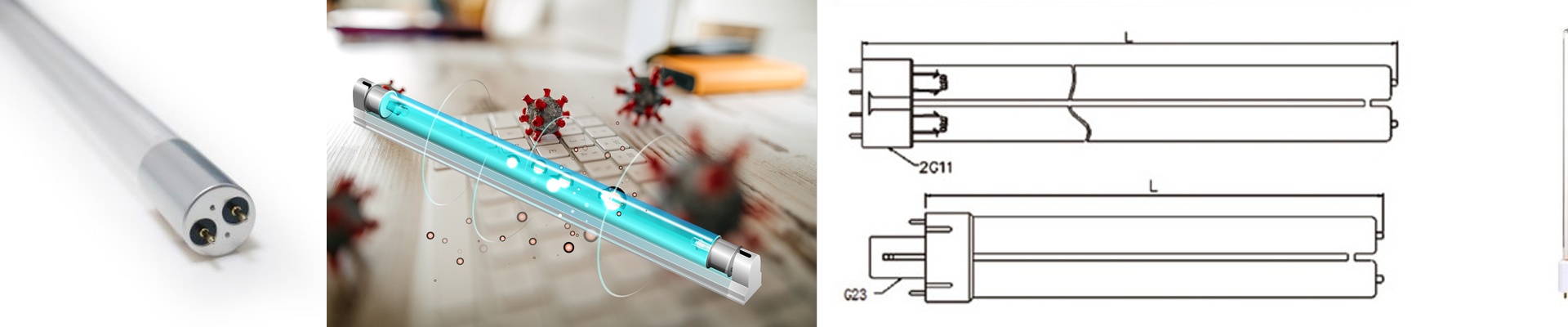
We make these as drop-in replacements because nobody has time to mess around with the housing. Whether you’re using G-pins or something more specialized, the fit has to be spot on. If a lamp is off-center by even 2mm, you’re wasting a huge chunk of your energy. We build everything to the millimeter. You plug it in, flip the switch, and get your line moving again. Simple as that.