Getting Your UV Wavelength Just Right
When people think about UV curing in automation, they usually think it’s just about shining a bright light on a part. But it’s actually a bit more surgical than that. You’re trying to hit a very specific “sweet spot”—the absorption peak of your photoinitiator—to get that polymerization moving. In the lab, we spend a lot of time narrowing down the spectral output of our lamps. The goal? Making sure the energy lands exactly where it needs to, and nowhere else.
Why “Narrow” is Better
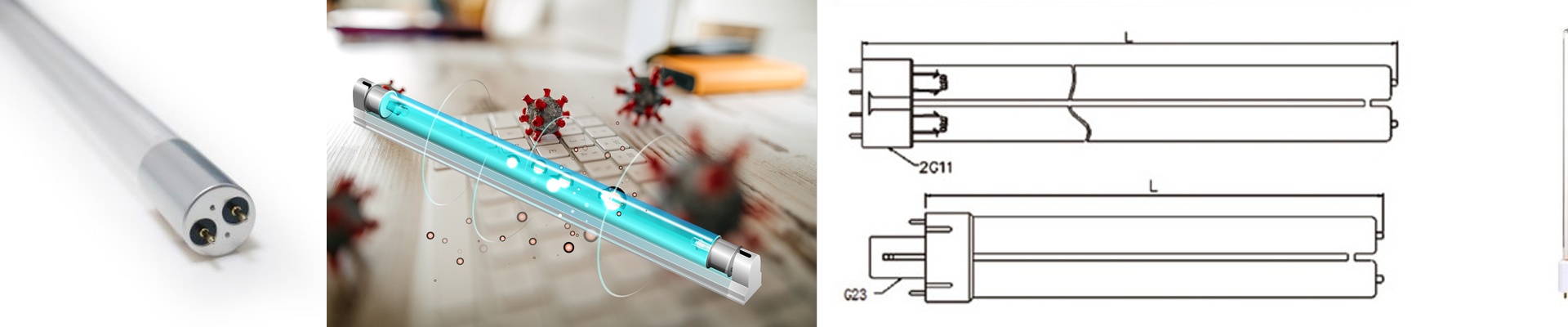
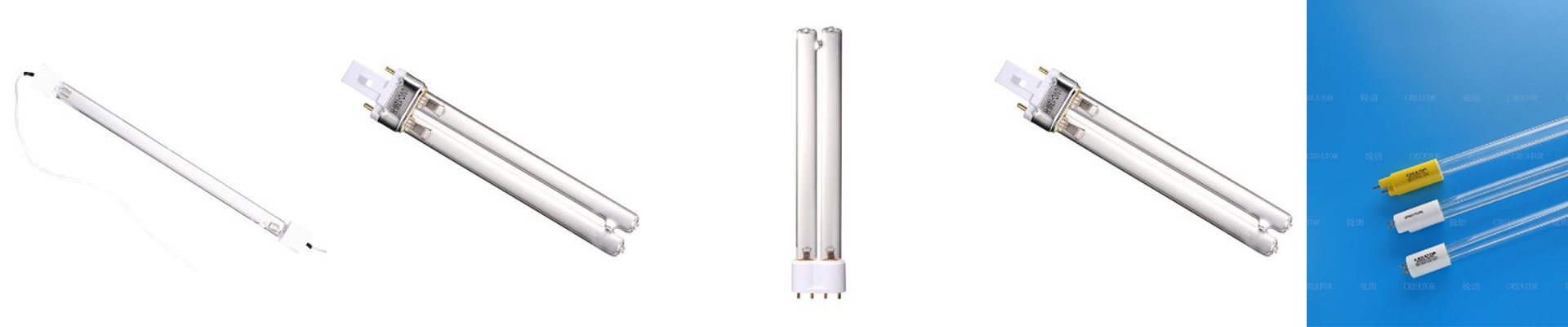
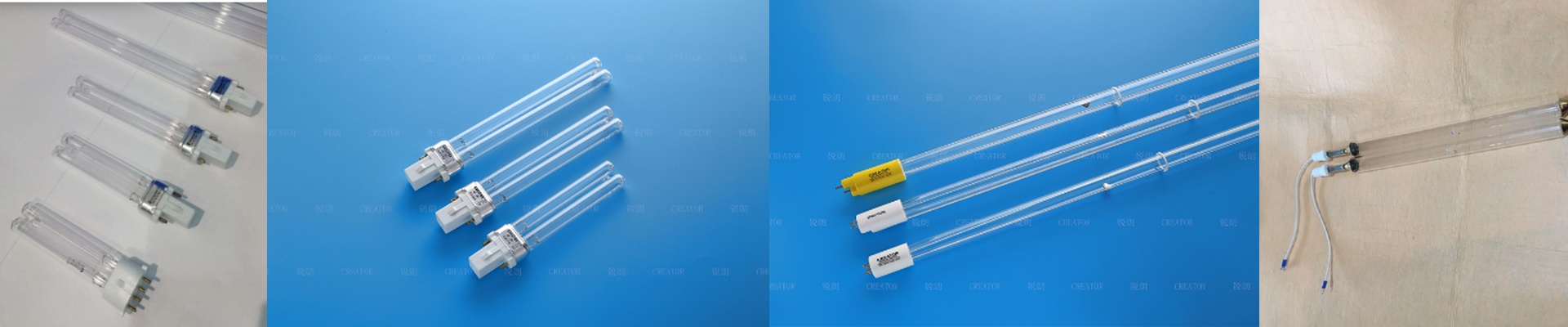
Most of the lamps you can buy off the shelf are messy. They bleed energy across a wide spectrum, which is basically a waste of power. Worse, that extra energy often turns into heat, which can warp your parts or degrade the material. We handle this by tweaking the electrode geometry and the gas mixture inside the lamp to shift the peak emission to a precise nanometer range. It’s a simple trade: you get faster cure times, and you don’t end up cooking your product.
Dealing with the Heat
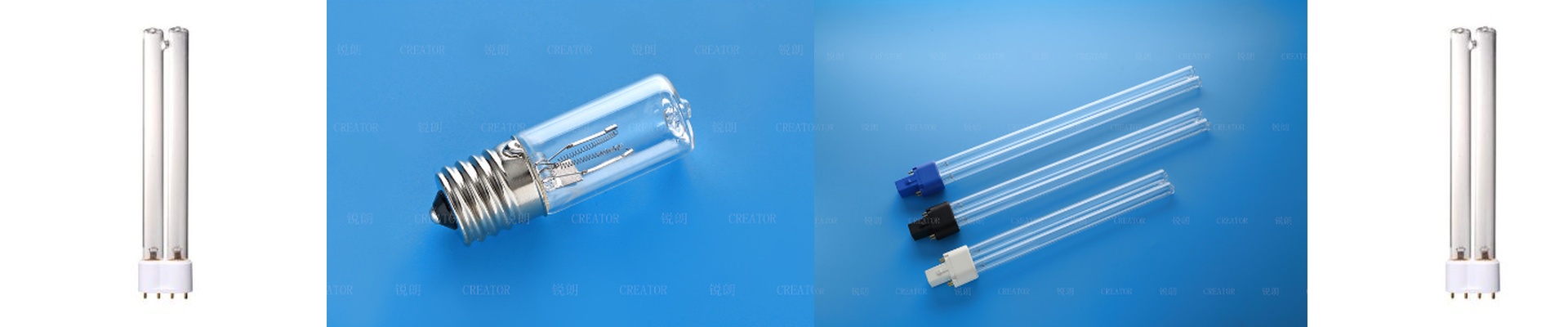
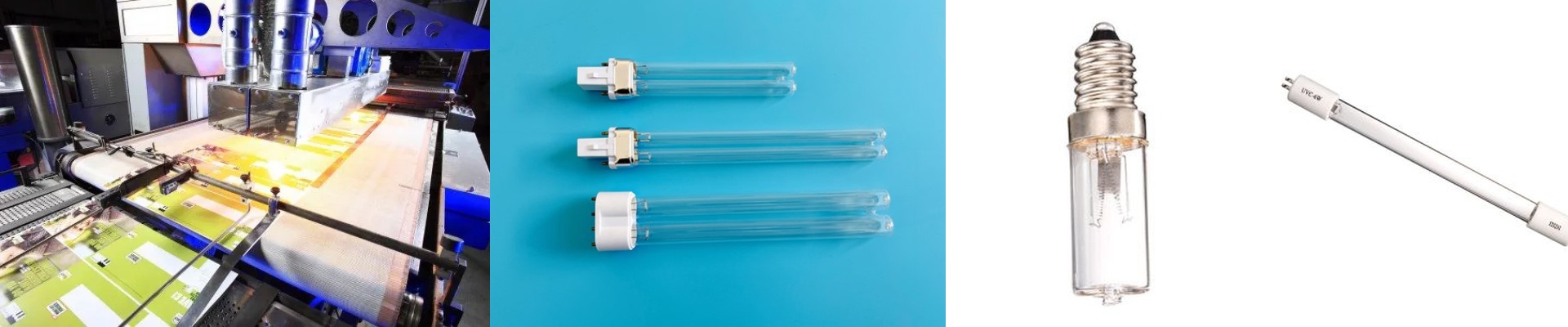
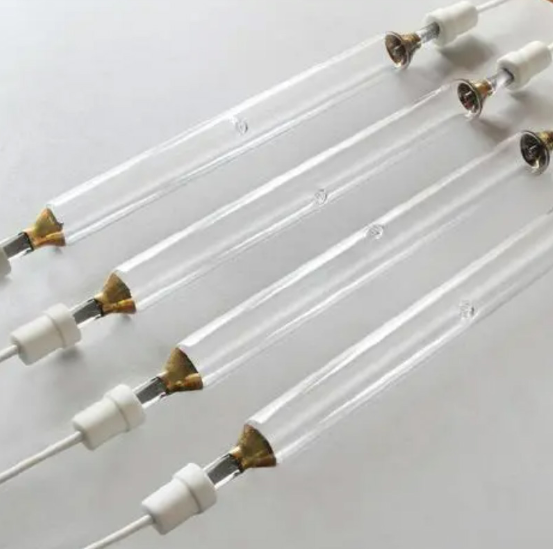
High-intensity UV gets hot. Really hot. To keep things from cracking under the pressure of rapid heating and cooling, we use specialized quartz envelopes. But the hardware is only half the battle. You’ve got to keep your conveyor speed and cooling fans in sync. If your line crawls, that heat builds up fast, and if you’re working with thin plastics, they’ll warp before they even leave the station.
Fitting into Your Line
Nobody wants to tear apart their entire assembly line just to upgrade a lamp. That’s why we design these to be drop-in replacements. We keep a close eye on the footprint and the electrical draw. You want to scale up to a multi-lamp array without worrying that you’re going to blow a breaker the second you flip the switch. Here is the honest truth, though: tighter wavelength control usually means the lamp won’t last quite as long as those broad-spectrum bulbs. You’re trading a bit of runtime for a cure that is faster and way more consistent. We’ll give you the spectral data sheets so you can make sure the lamp actually matches the chemistry of your resin. It saves a lot of guesswork.