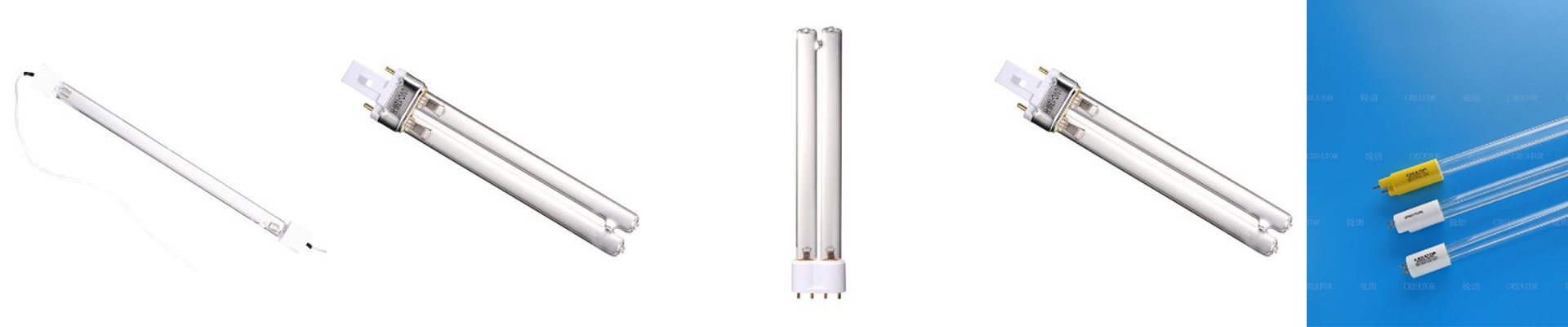
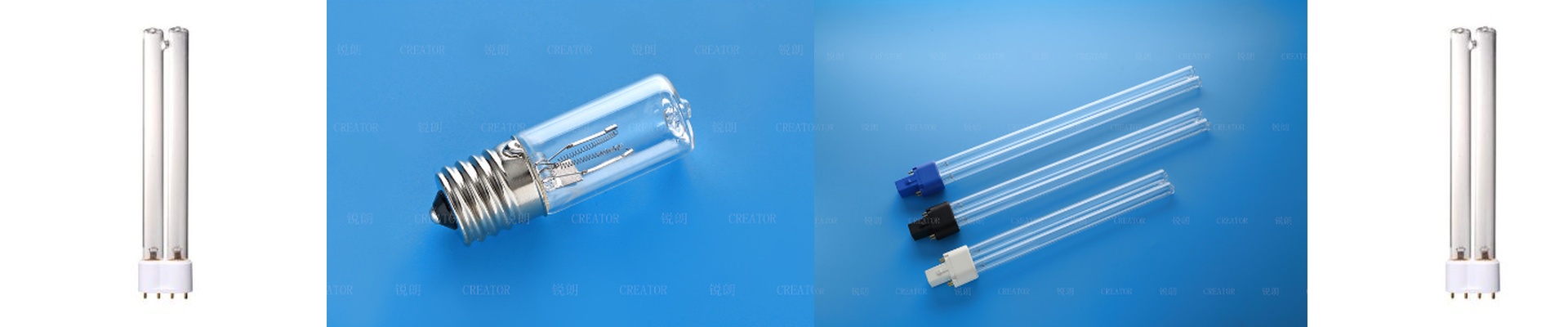
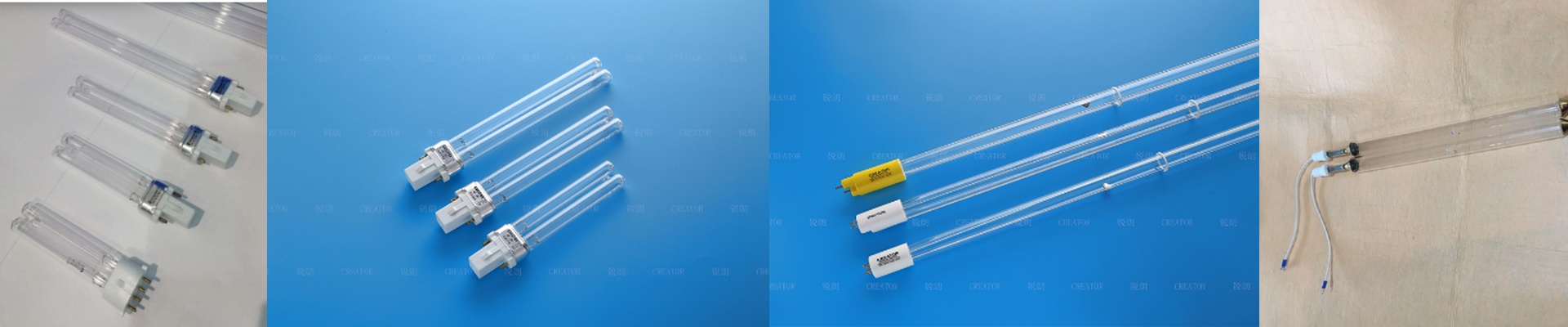
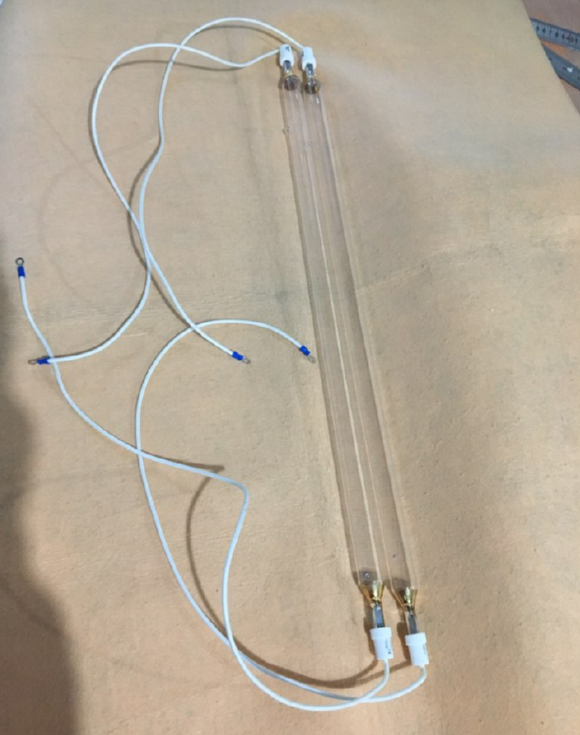
Getting the Spectrum Right in Mercury UV Lamps
Most lamp makers are fine with a “close enough” spectral band. We aren’t. Our R&D team spent months obsessing over a 0.5% spectral energy concentration. Why? Because in UV curing and sterilization, “close enough” is a disaster. If your output peak shifts even a tiny bit, your resin won’t cross-link or your kill rate for pathogens just tanks. It’s the difference between a finished product and a waste bin full of scrap.
The nitty-gritty of energy concentration
To get that 0.5% concentration, we had to play around with the pressure and temperature inside the quartz envelope. We messed with the gas mix and the shape of the internal electrodes until we got it just right. The goal was to force the energy into a tight, sharp peak instead of letting it bleed out across the spectrum. We spent a lot of time staring at high-resolution spectrometers to make sure the irradiance hits exactly where the photoinitiator needs it.
Quartz and the heat problem
We use high-purity synthetic quartz so the glass doesn’t soak up the UV rays it’s supposed to be letting out. But there’s a catch. When you concentrate energy that tightly, you get localized heat. If you crank these lamps to max wattage, the quartz can get stressed. You’ll need to make sure your cooling fans or water jackets are up to the task. If they aren’t, the tube can warp, and there goes your spectral peak.
Putting them to work
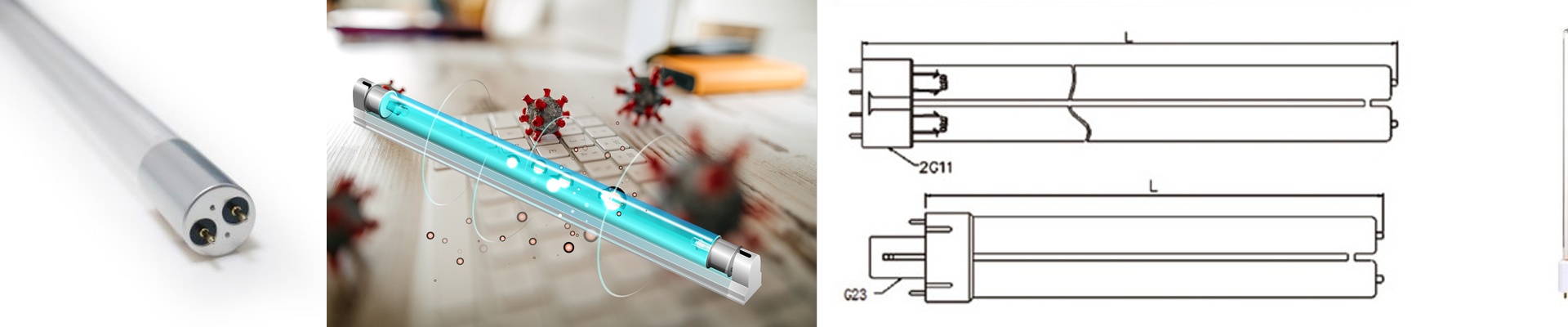
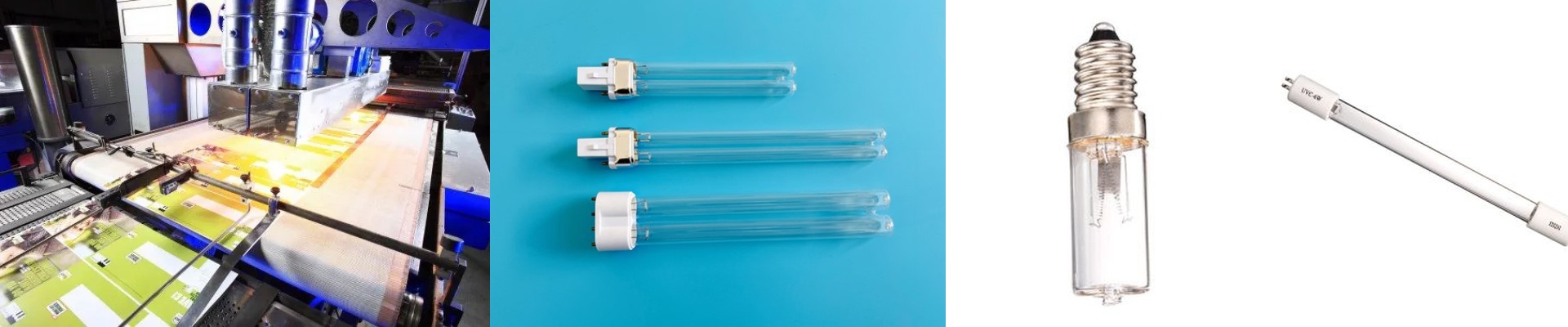
The good news? These are drop-in replacements. We made sure the footprint and pin alignment match standard mercury systems, so you won’t have to spend your weekend rewiring racks. You get a tighter beam, which means you can either speed up your conveyor or drop your power draw and still get the same cure. Just a heads-up: this level of precision needs a steady diet of power. Voltage spikes will knock your spectral peak out of alignment. Keep your ballast regulated to stay within that 0.5% window, and you’re golden.