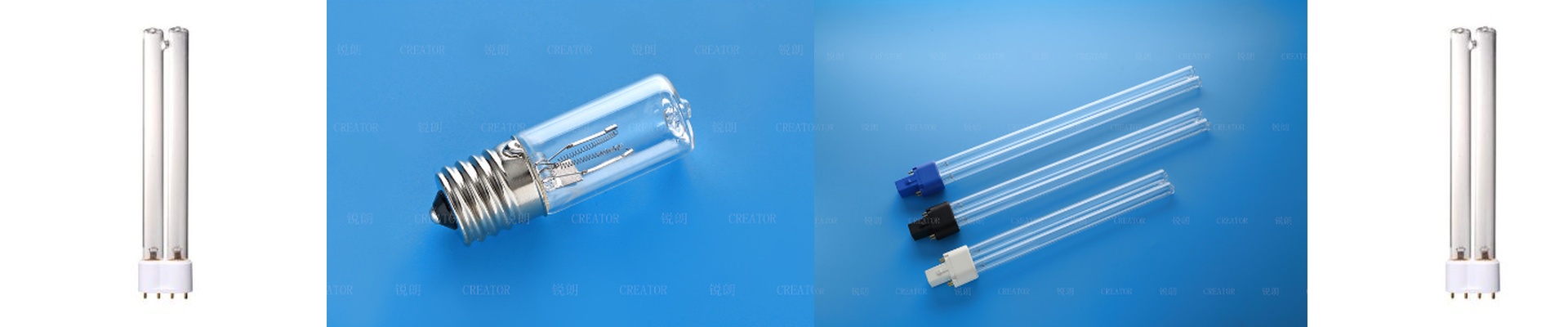
Getting the UV Spectrum Exactly Right
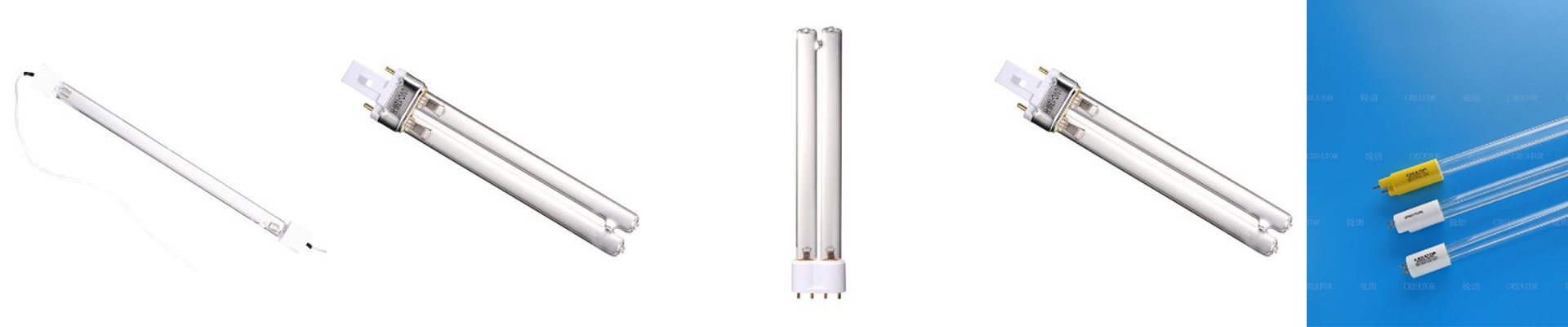
Most mercury UV bulbs just blast a general wave of light to get a coating to dry. For a lot of jobs, that’s plenty. But if you’re working on high-precision coatings, you know the struggle. One minute it looks great, the next you’re dealing with a tacky surface that just won’t set. Usually, that comes down to one thing: where the energy is actually hitting.
The 0.5% Obsession
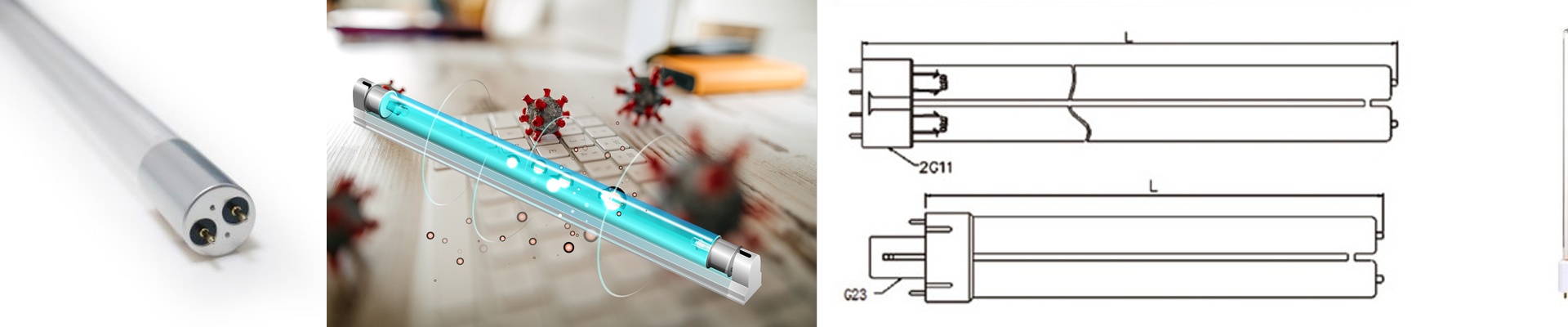
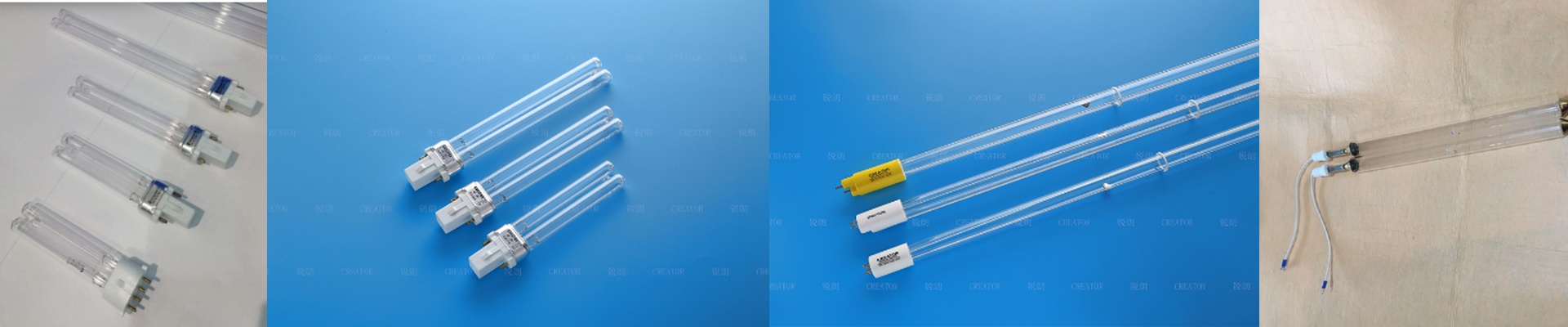
We spent a lot of time in R&D trying to tighten things up. See, most bulbs you buy off the shelf are all over the place with their peak output. We decided to chase a 0.5% concentration tolerance. It sounds like a tiny number, but it’s a big deal. It means the energy is packed right into the specific wavelengths your photoinitiators actually care about. No wasted light. Just the stuff that does the work. To get there, we had to get obsessive about the mercury vapor pressure and the purity of the quartz. If the quartz is “dirty,” it swallows the shortwave UV before it even reaches your part. We spec our quartz to make sure the UVC and UVB ranges actually get through.
The Heat Trade-off
These bulbs are built for intensity. To keep that tight spectral balance, we stabilized the electrode geometry. This stops those annoying “hot spots” from forming inside the tube. The result? You get a consistent glow across the whole length of the bulb. But here’s the catch. When you pack that much energy into a tight window, things get hot. Really hot. If your cooling fans or water jackets aren’t up to the task, the quartz will stress out and the bulb will pop way sooner than it should. Just make sure your cooling can handle the heat flux.
Putting it on Your Line
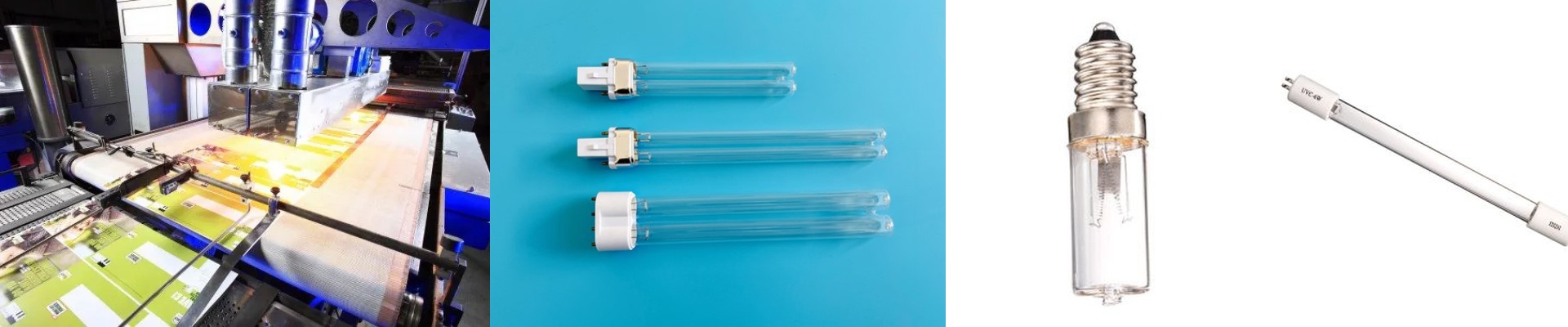
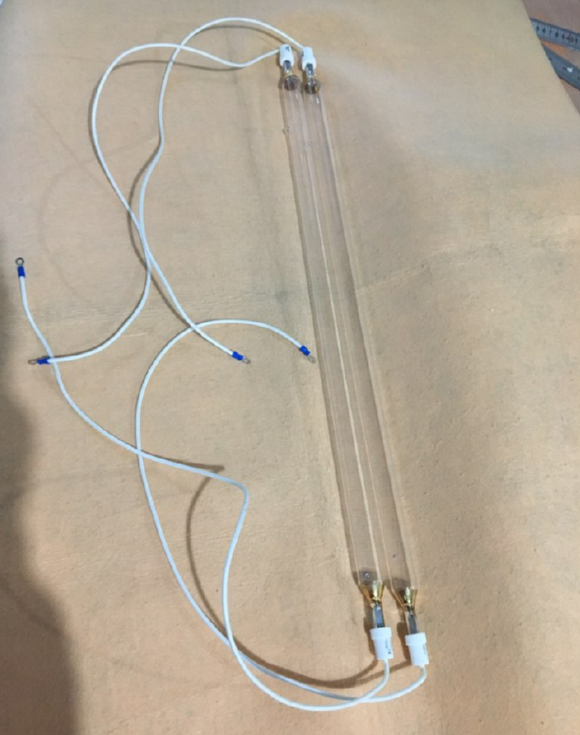
The best part? You don’t need to rip out your entire setup. These are drop-in replacements. You wire them into your existing ballast, and you’ll feel the difference in curing speed immediately. Since the energy is more concentrated, you’ve got options. You can slow your line down to get a rock-solid deep cure, or you can crank up the conveyor to push more product through without worrying about the surface staying soft.