Why Most Industrial UV Lamps Fail (And How We Fixed It)
We didn’t design our lamps in a lab. We spent time on the shop floors of 3,000 different printing plants, just watching. What we found was pretty simple: most lamps don’t actually “break.” The real problem is a mismatch. You’ve got a lamp pushing one kind of energy, but your press is running at a speed that doesn’t play nice with it.
Getting the light right
It all comes down to the chemistry in your ink. If the wavelength is off—usually we’re looking at that 365nm to 395nm window—you’re in trouble. If the light doesn’t penetrate deep enough, your prints stay tacky. You touch them, and they smudge. But if you just crank up the power to compensate, you’ll end up scorching the surface or warping the material. It’s a delicate balance.
The heat struggle
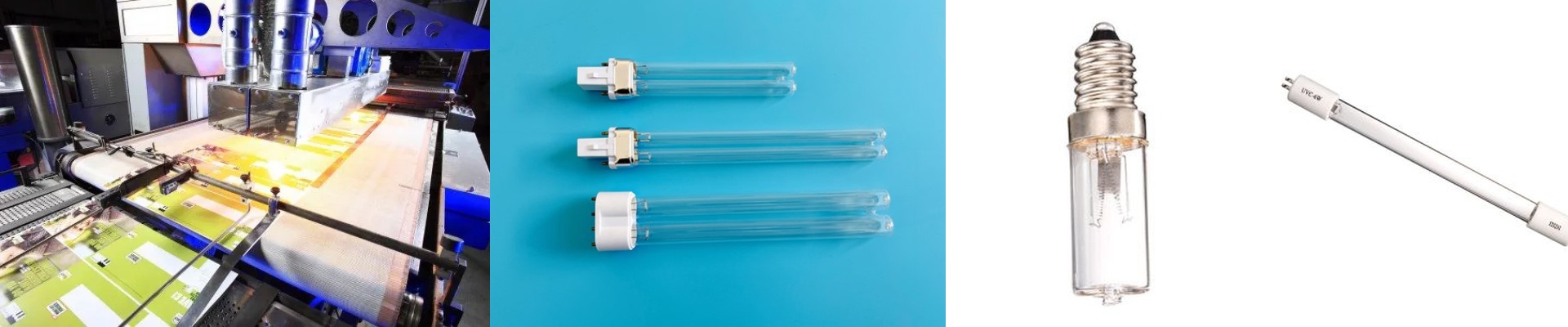
Here’s the thing about high-wattage lamps: they cure fast, but they gethot. Like, really hot. You can’t just slap a high-output tube into a machine and hope for the best. If your fans are clogged with dust or your reflectors are looking dull and oxidized, that heat has nowhere to go but straight into your substrate. We use a specific kind of quartz glass to stop the tubes from cracking under the pressure, but you still need a steady breeze of air to keep the whole thing from burning out early.
No one likes downtime
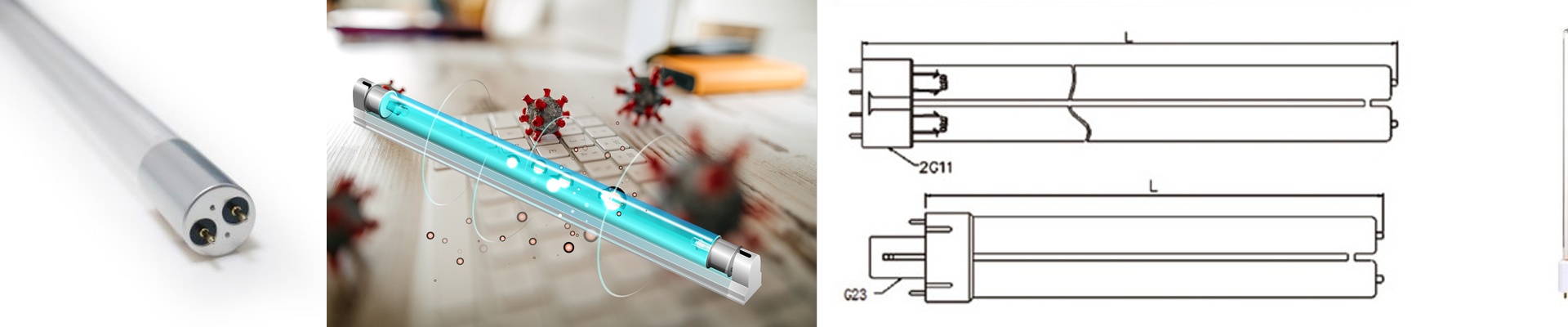
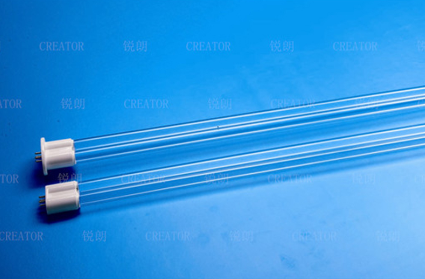
When a machine stops, you’re losing money. Period. That’s why we ditched the proprietary housings and the “special” tools. We use standard connectors and footprints. If a lamp goes dead, you just pop it out and drop a new one in. No headaches, no waiting for a technician, no fuss.
Finding the sweet spot
There is a trade-off here. Sure, you can run your lamps at 100% power. Your parts will cure faster, and your production line will fly. But you’ll be replacing those tubes way more often. We usually tell people to dial it back to about 80%. It’s the magic number. You get plenty of throughput, but your equipment actually lasts.