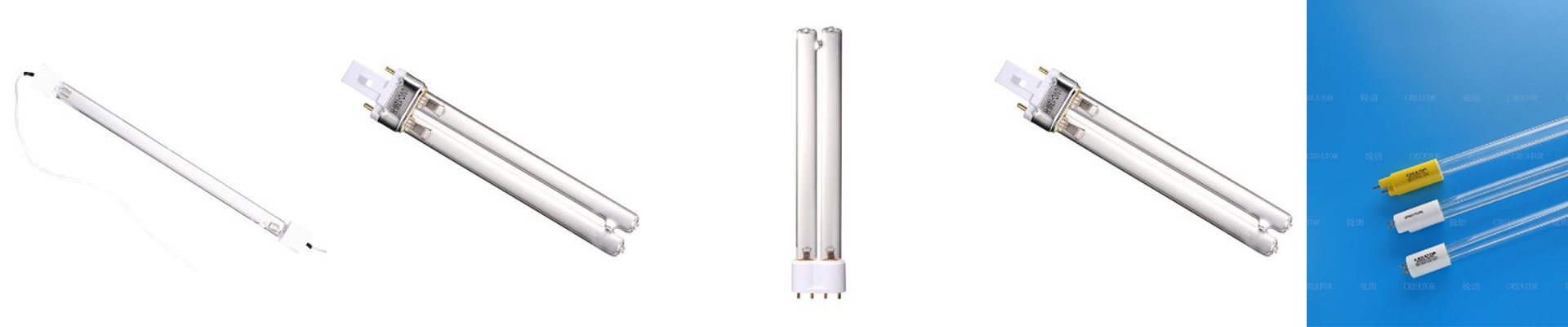
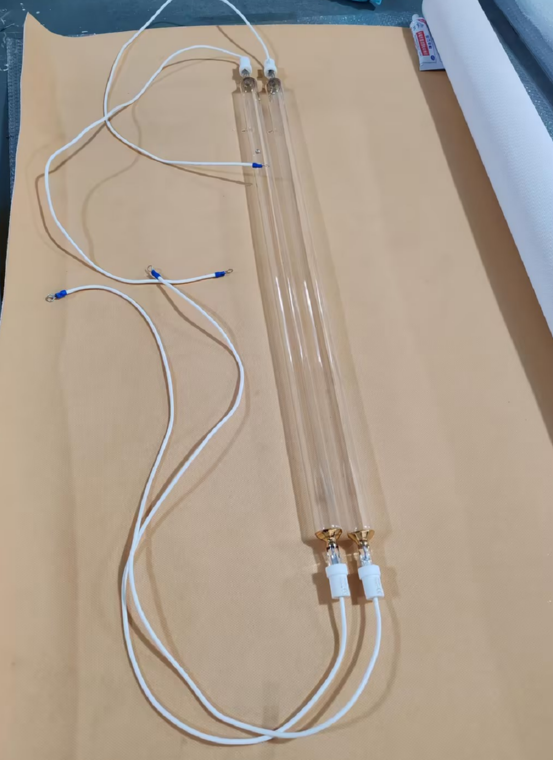
Let’s Talk About 80W/cm Mercury UV Lamps
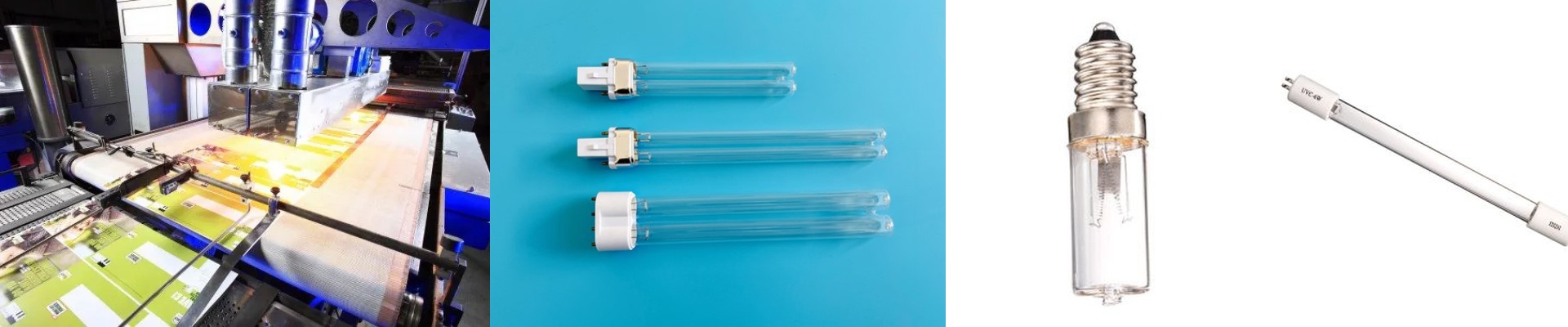
If you’re working with 80W/cm mercury UV lamps, you know they aren’t just “lights.” They’re heavy-hitters. We build these for one reason: speed. When you need to cure a coating or kill microbes instantly, you need a massive hit of UV energy so your parts can keep moving down the line without slowing down.
Heat is the Real Story Here
Here is the thing: 80W per centimeter is a lot of power in a small space. It gets hot. Really hot. The mercury vapor inside has to hit a specific temperature before the UV output actually stabilizes. That means you can’t just plug it in and forget it. You’ve got to make sure your ballast is dialed in perfectly on voltage and current, or you’ll burn the lamp out way too fast. And please, don’t skimp on the cooling. If your system can’t pull the heat away from that quartz glass, the lamp will overheat. When that happens, the light spectrum shifts, and your lifespan plummets.
Why CE Certification Isn’t Just Paperwork
I know, I know. Seeing “CE” on a box usually feels like a boring bureaucratic hoop to jump through. But on a noisy shop floor, it’s actually a lifesaver. Think about your setup. You’ve probably got sensitive CNC machines and PLC controllers running everything. A cheap, non-certified lamp can leak electromagnetic interference. It’s like invisible noise that causes “ghost triggers” or random system crashes. Nothing kills a workday faster than a production line that keeps stopping for no apparent reason.
Getting into Global Markets
If you’re selling or installing gear in Europe or North America, the rules are pretty strict. It comes down to liability. Having that CE stamp tells an inspector or an insurance agent that the lamp won’t just blow up under a normal load. It turns a generic part into a professional tool you can actually trust. Plus, it saves you the headache of having your shipment seized at customs or fighting with insurance after an accident. You just get a part that fits, works, and follows the safety codes. Simple as that.