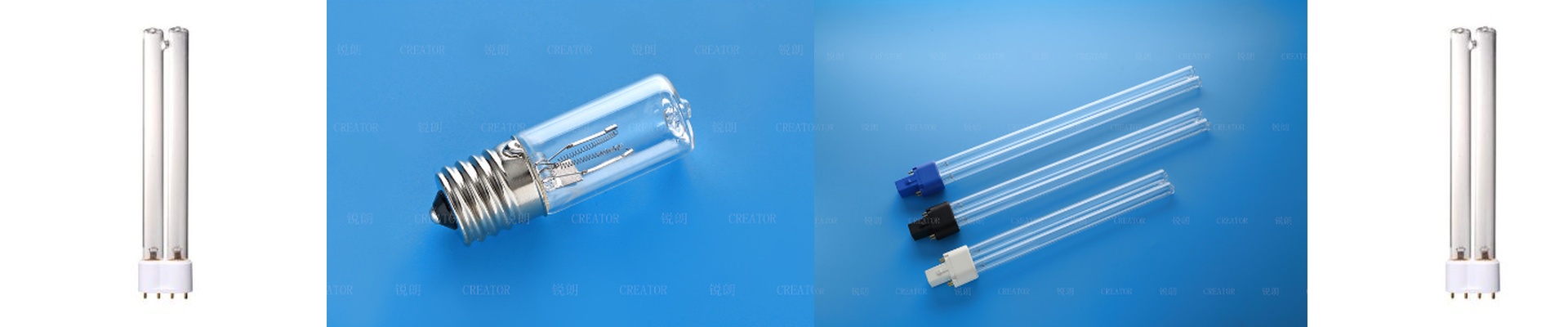
Stop Chasing Wattage. Start Chasing Precision.
Most people looking for UV lamp replacements just look at the wattage or the length. That’s how it’s always been done. But we decided to try something different. Our team spent a long time obsessing over one specific number:0.5% spectral energy concentration. Now, that sounds like a dry lab stat, but here is what it actually means in the real world. It’s not about how much raw power you’re throwing at the problem. It’s about exactly where those photons land on your material.
Getting the physics right
Hitting that 0.5% window wasn’t easy. We had to basically tear apart the gas mixture and the way the electrodes were shaped. You see, standard lamps have this annoying habit of “spectral drift.” Energy just leaks into wavelengths you don’t need. It’s a waste of power, and worse, it can actually overheat your materials. We even got picky about the quartz envelope. We tightened the wall thickness tolerances down to a few microns. Why? Because even a tiny deviation can scatter the beam and mess up the whole process.
It just works (no rewiring needed)
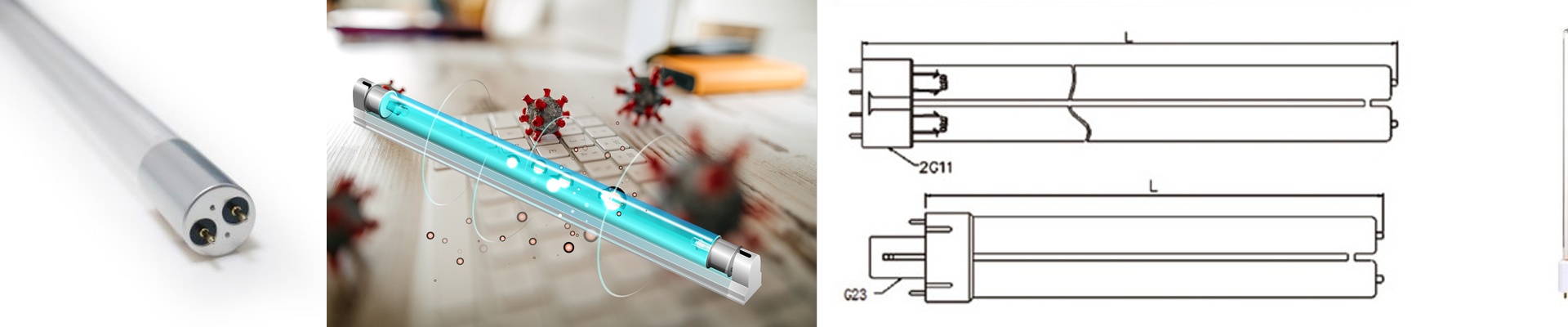
We didn’t want to build something that required a PhD and a week of downtime to install. These are drop-in replacements. You can swap them out without having to rip apart your ballast system. The “smart” part is tucked away in a feedback loop that watches the output in real-time. If the lamp starts to drift outside that 0.5% sweet spot, the system flags it immediately. You’ll know there’s an issue long before you start seeing defects on your production line.
The catch (because there’s always one)
Here is the honest truth: when you pack energy this tightly, things get hot. The heat flux at the focal point is much higher than what you’re used to. If your cooling fans are dusty or your airflow is blocked, you’re going to see a temperature spike. You can’t just crank these to max output and hope for the best—you need a cooling system that can actually handle the load. But for the engineers running high-precision curing or sterilization lines, the trade-off is worth it. Moving from a 5% spread to a 0.5% spread is the difference between tossing a whole batch in the trash and having a perfect run.