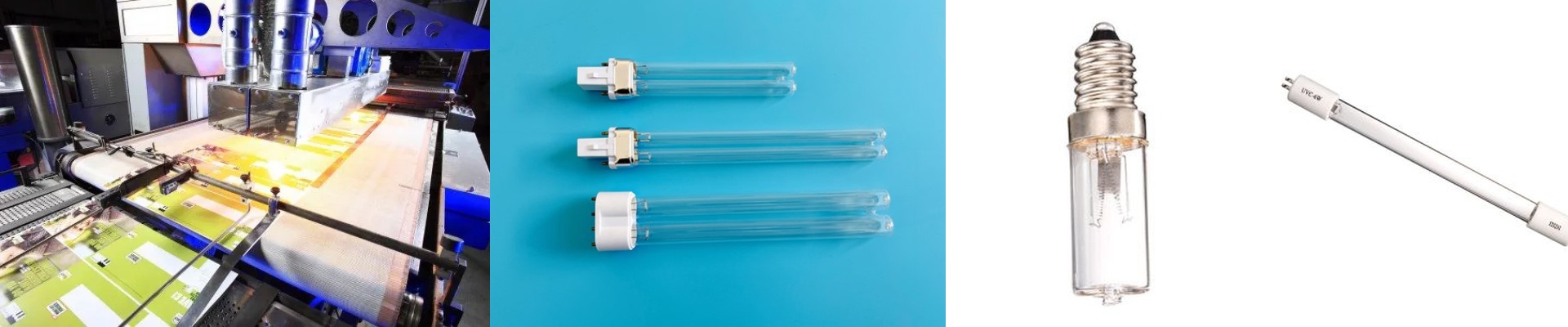
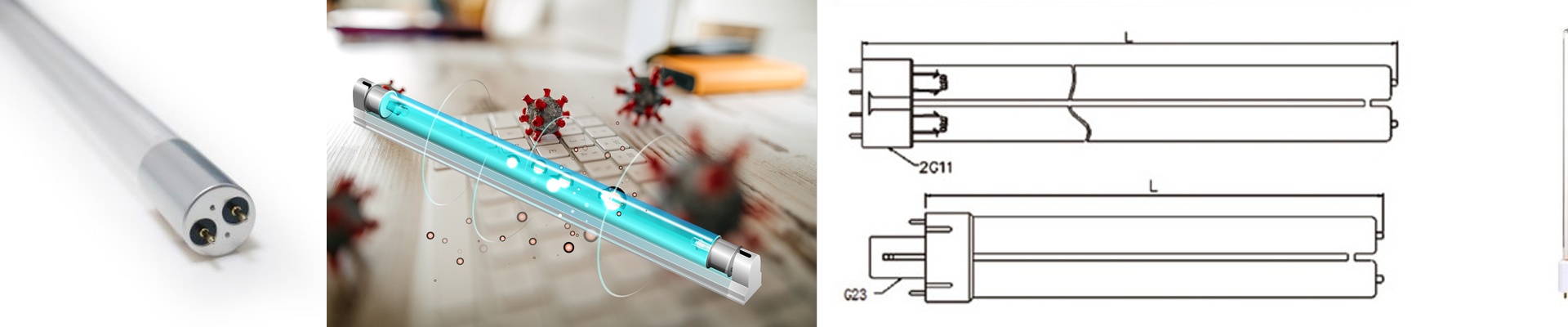
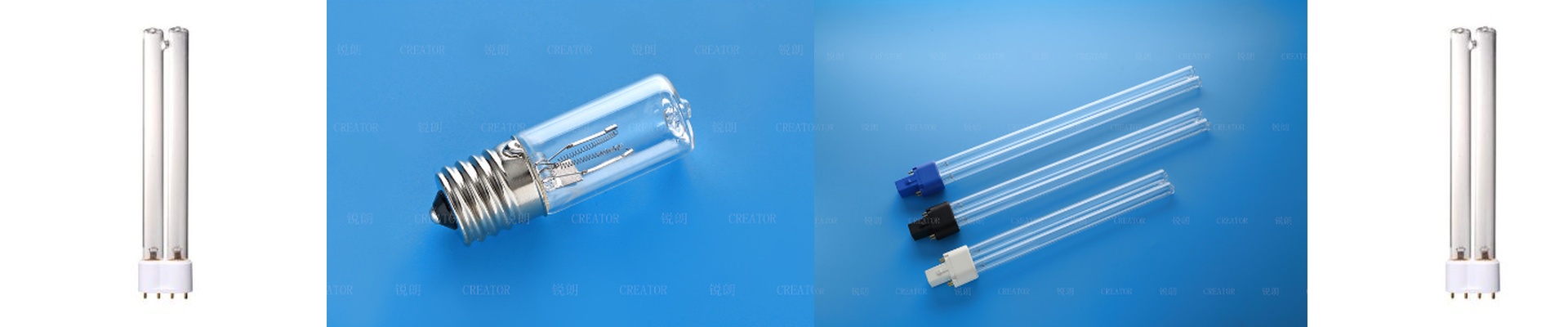
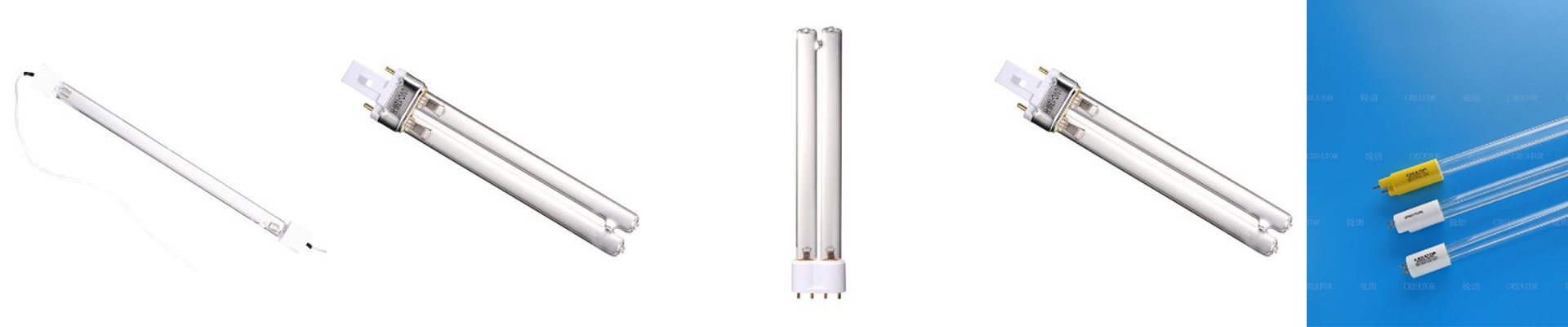
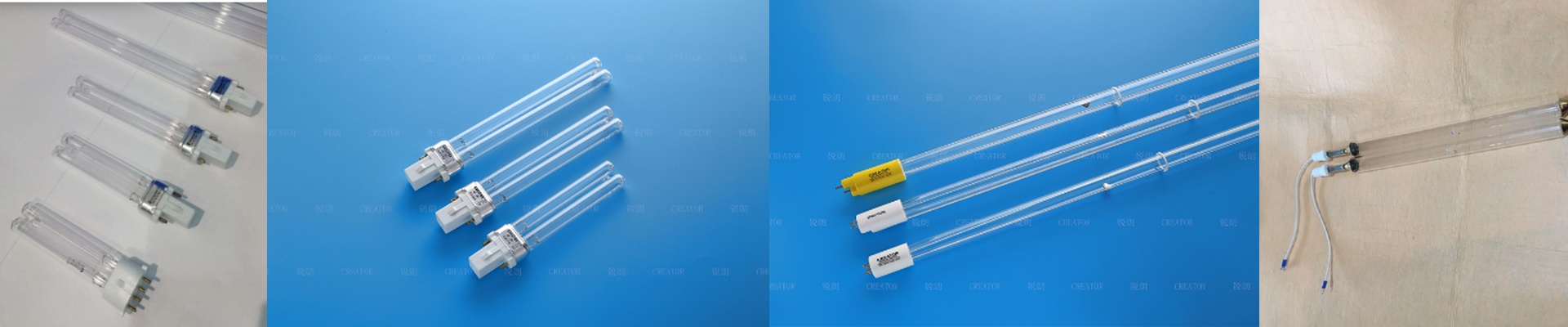
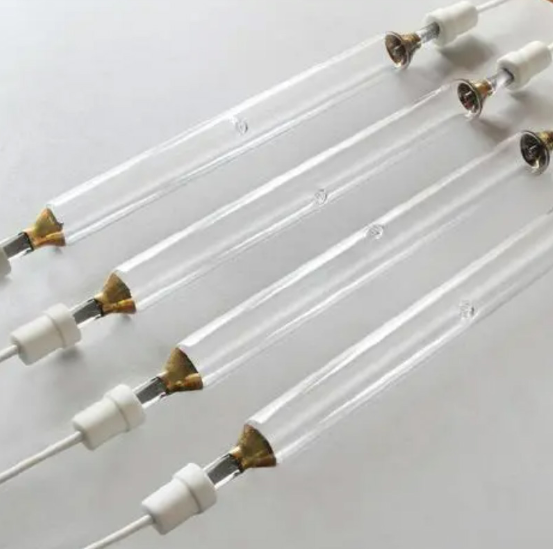
Why that CE mark actually matters for your UV lamps
If you’re sourcing UV lamps from China, you’ll see the CE mark everywhere. To some, it looks like just another sticker to get through customs. But in the real world? It’s the difference between a smooth operation and a nightmare on your shop floor. Think of it as the proof that your lamp won’t blow a fuse or leak dangerous radiation where it shouldn’t.
The nitty-gritty stuff
Getting a lamp CE-certified isn’t a walk in the park. We have to follow the Low Voltage (LVD) and Electromagnetic Compatibility (EMC) rules. Basically, we have to prove the insulation can take a voltage spike without giving up. If a lamp is built cheaply, you’re looking at electrical arcs or bulbs that burn out way too soon. It all comes down to how we build the electrodes and the quality of the quartz glass we use.
Who’s on the hook?
Nobody in Europe or North America wants to gamble with their gear. Here’s the scary part: if you install a non-compliant lamp and it starts a fire or someone gets a UV burn, that’s on you. The liability lands right on the person who integrated the part. Having that certification settles the nerves. It means the lamp does exactly what it says on the box.
The price of peace of mind
Yeah, certified lamps cost more. The testing and the audits add up, and that cost lands in the price tag. You can definitely find cheaper, uncertified tubes. But there’s a catch. Those cheap options usually have “drift”—the wavelength isn’t consistent. And guess what? A tiny shift in the UV spectrum means your curing takes longer. That slows down your entire production line. We stick to the certification because it means when you swap a lamp, it just works. Every single time. When you’re buying wholesale, you need a filter. Without that CE mark, you aren’t really buying a precision tool. You’re just taking a chance.