Getting Your Textile UV Curing Right
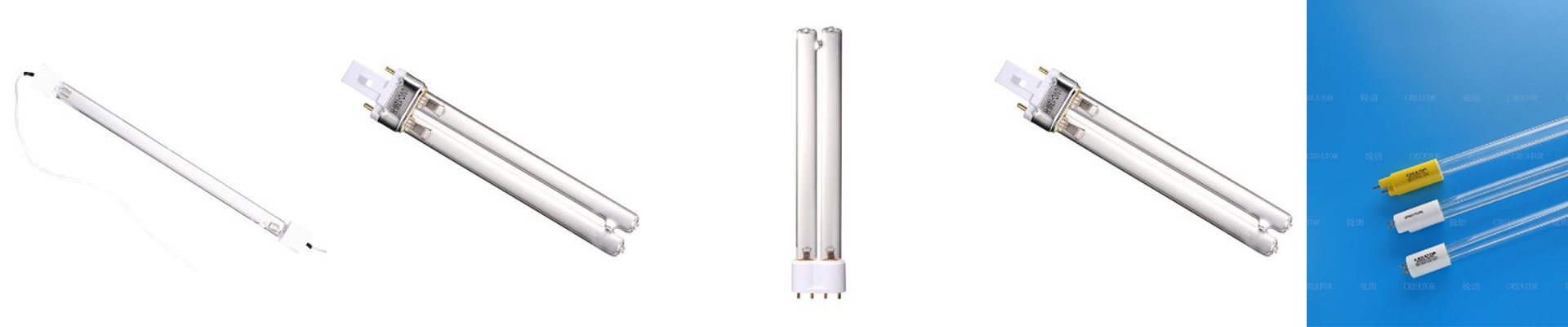
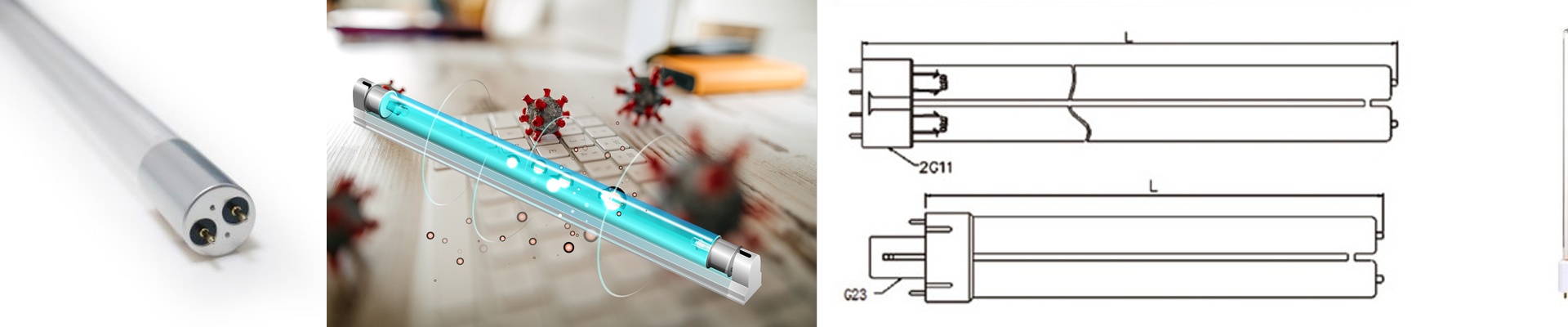
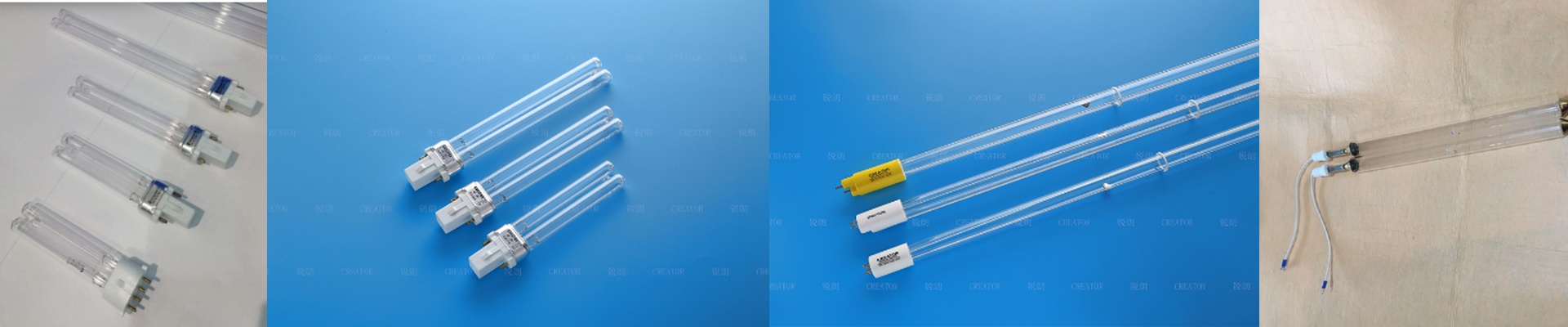
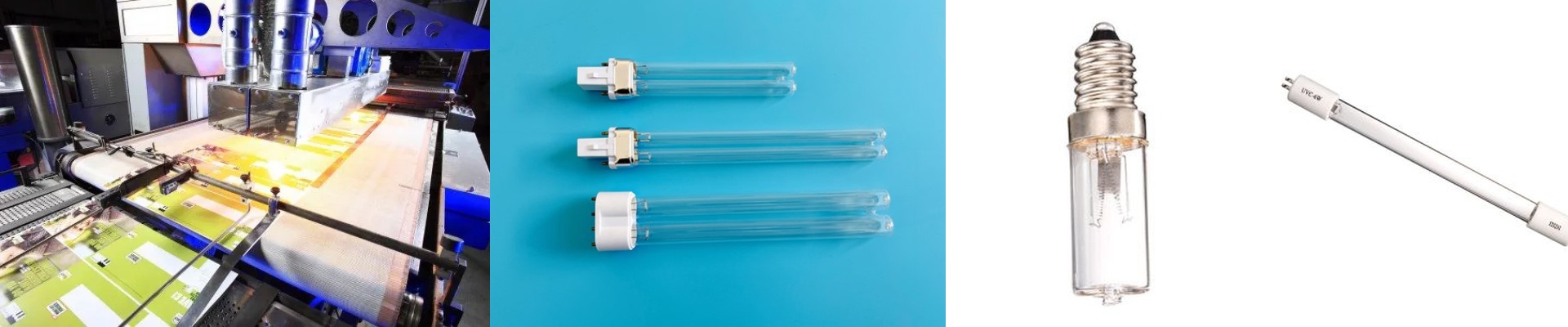
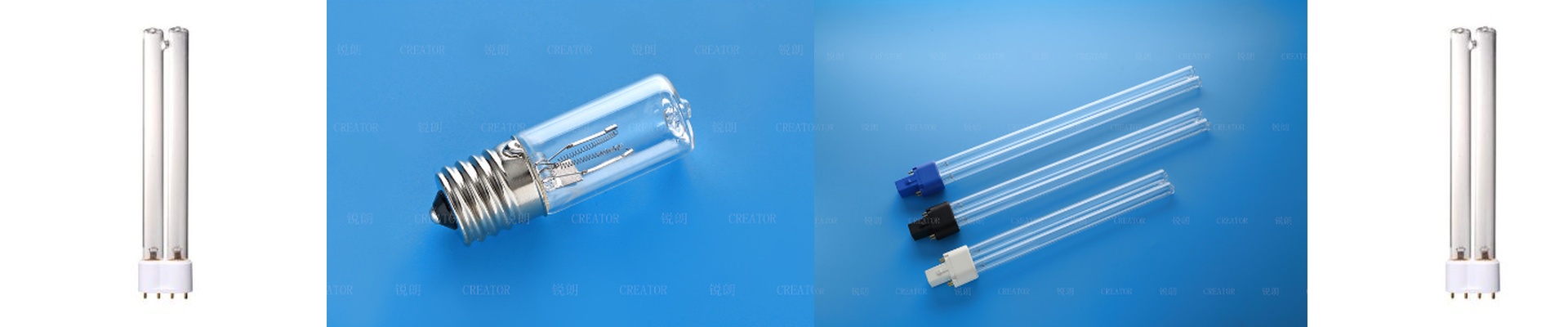
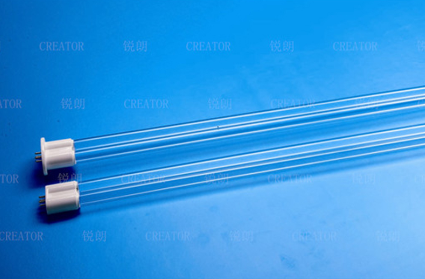
We make UV lamps specifically for curing inks on fabric. If you’re in textile printing, you know the drill: you need that ink to lock into the fibers fast. But there’s a catch. You need the right wavelength to set the pigment without accidentally scorching your fabric. It’s a delicate balance. The push and pull of power Our tubes are built to throw a consistent punch of energy across the entire width of your fabric. We use high-purity quartz glass for a reason. Cheap glass absorbs the energy instead of letting it through, which just kills the lamp early. Then you’ve got the speed issue. More wattage means you can crank up your conveyor belt and move more product. But keep an eye on the heat. Too much power can stress the material. Dealing with the heat These lamps are designed to slide right into your existing curing arrays. We’ve spent a lot of time on the electrode placement to stop that annoying arcing at the ends of the tube—which, let’s be honest, is where most of these systems fail. But here’s the thing: UV energy brings infrared heat along for the ride. You can’t ignore that. Make sure your exhaust fans and cooling manifolds are actually up to the task. If the heat builds up, you’re looking at warped fabric or colors that just don’t look right. Keeping the quality steady Nobody wants to see ink smudging or bleeding when the fabric hits the winder. It’s a nightmare. That’s why we focus on stable output. Now, the mercury vapor will eventually age, and you’ll notice a dip in intensity. It happens. The trick is to keep an eye on your operating hours. Swap them out before the cure rate drops, and your prints will look just as sharp on the last meter as they did on the first.