Getting the Most Out of Gallium Iodide (GaI) Lamps for PCB Work
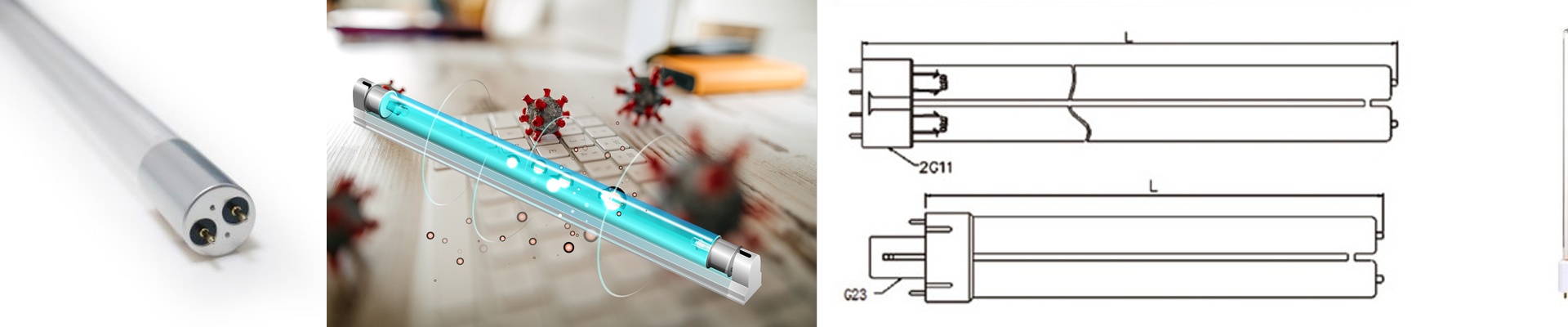
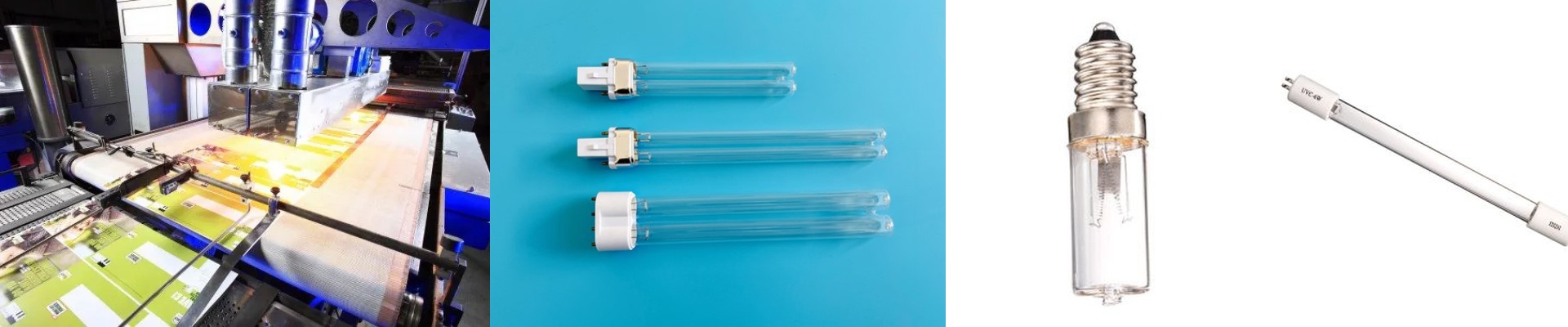
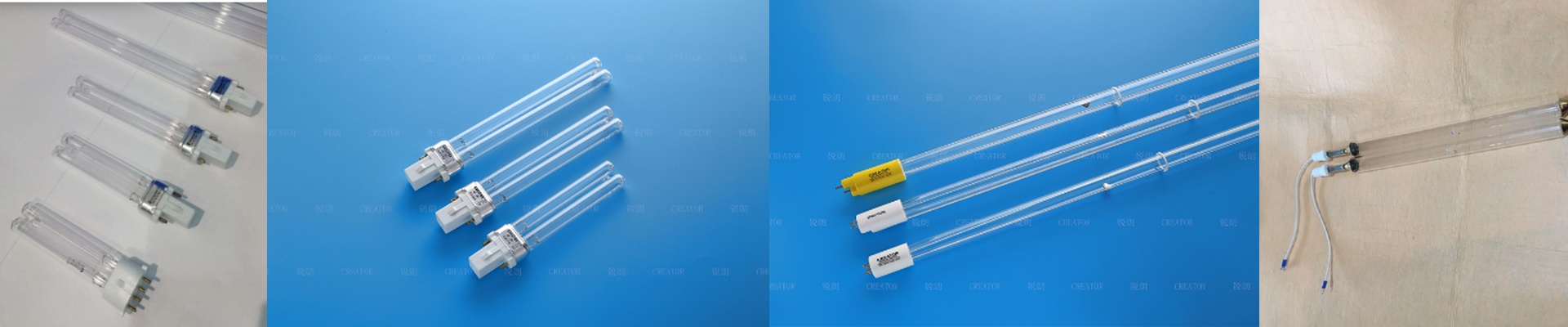
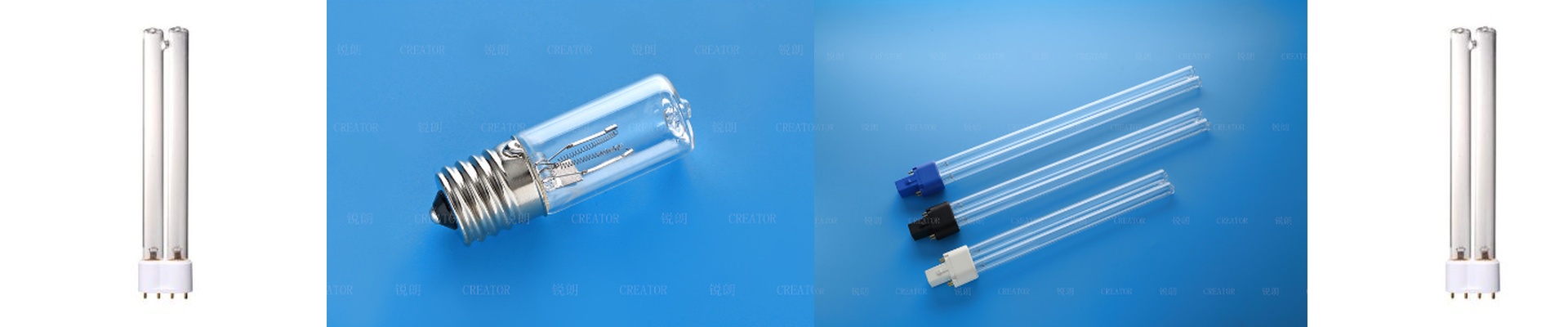
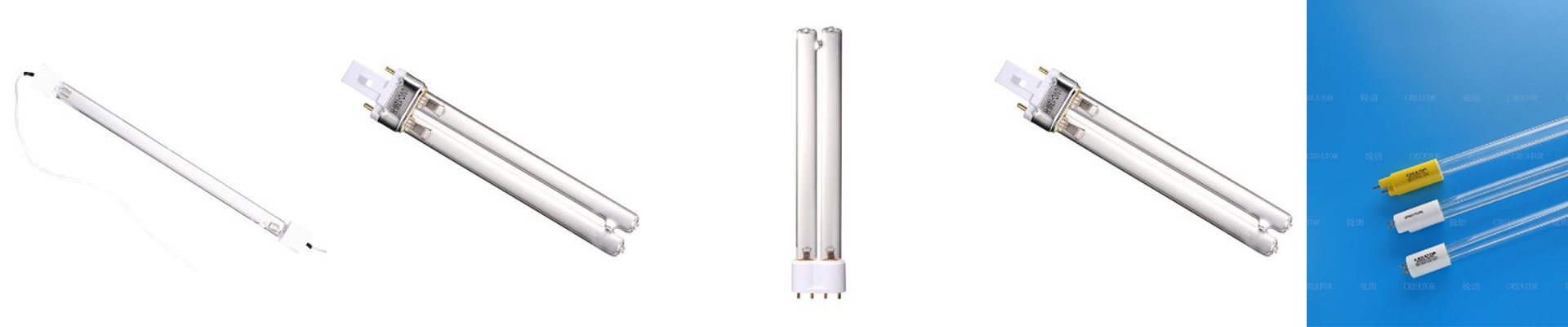
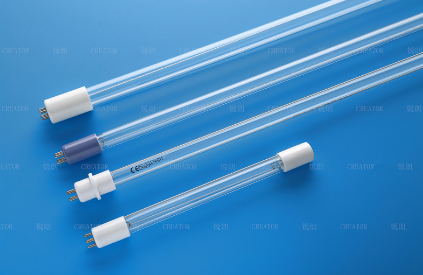
If you’re doing high-precision PCB manufacturing, you know the struggle of getting your traces exactly right. That’s where Gallium Iodide (GaI) lamps come in. Unlike those standard mercury vapor lamps that throw light everywhere, GaI tubes focus their energy right where it counts—between 310nm and 350nm. This is the “sweet spot” for the photoresists we use in dry-film laminating. Why does that matter? Basically, it stops the light from bleeding. When the light stays put, your edge definition stays sharp. You get clean, crisp circuit traces instead of blurry messes. But here’s the thing: you need a steady stream of light across the whole board. If the lamp flickers or the output starts to drift, your etching becomes a guessing game. We build our tubes to stay rock-steady, but you’ve got to do your part. Keep those cooling fans humming. If the quartz envelope gets too hot, the spectral peak shifts, and your resolution goes right down the drain. Setting things up We usually tuck these lamps into a reflector housing. It ensures as much UV flux as possible actually hits the PCB. We also use high-purity quartz glass because there’s no point in having a great light source if the glass absorbs the UV before it even leaves the tube. One quick tip on the wiring: use a precision ballast. If your power supply is shaky, you’ll fry the electrodes way sooner than you should. The trade-offs Look, nothing is perfect. GaI lamps give you that incredible precision for fine-pitch PCBs, but they don’t live as long as the broad-spectrum ones. You’ll be swapping them out more often. Also, keep in mind these are specialized tools for the exposure stage. They aren’t meant to be general curing lamps. And please, don’t skimp on the cooling system. If it can’t handle the heat, the tube will give up long before it hits its rated hours. It’s a small price to pay for the kind of detail these lamps deliver.