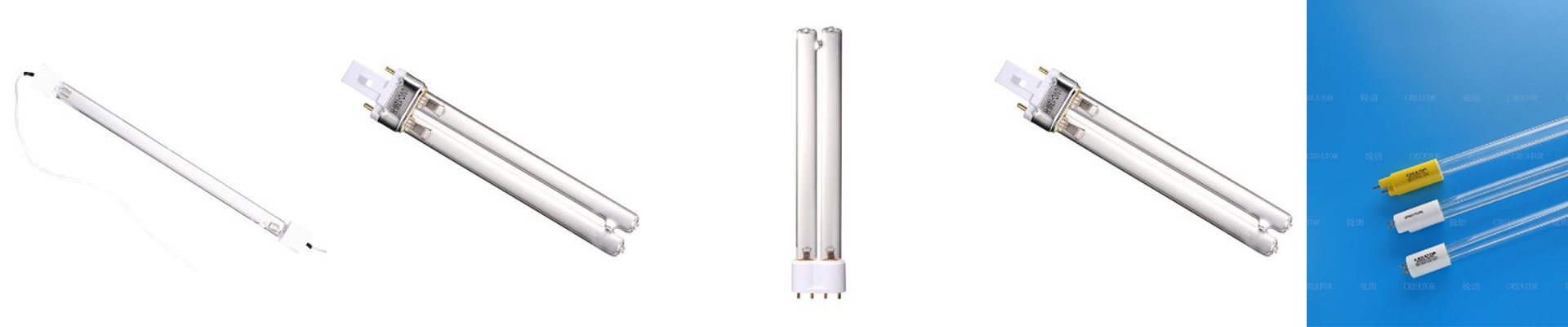
Getting the Most Out of Your High-Pressure Mercury Lamps
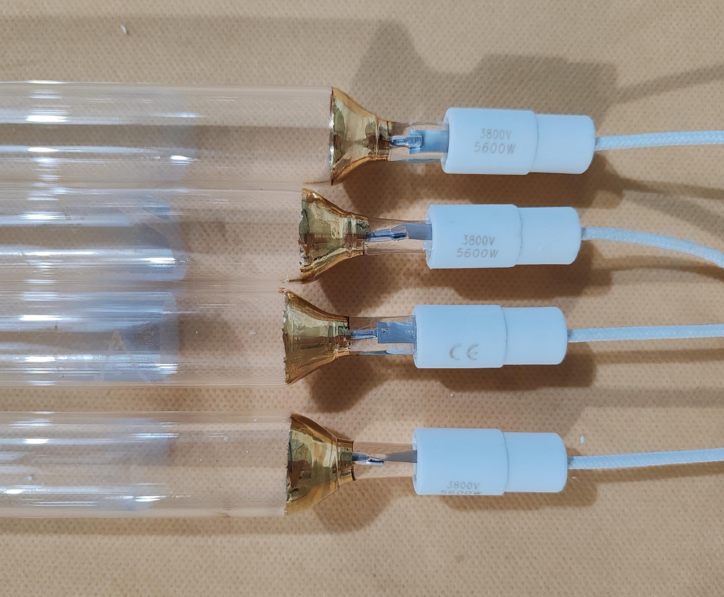
Let’s be honest: high-pressure mercury lamps are the old reliable of the industrial printing world. They do the heavy lifting. By hitting that 254nm to 365nm range, they get the job done when it comes to curing inks and varnishes. The heat side of things If you want your line to move fast, you need a lot of power. Simple as that. We build our tubes to keep that arc voltage steady, even when you’re pushing them hard. But here’s the catch: more wattage in a small space means more heat. A lot of it. You’ve got to make sure your ballast and cooling fans can actually handle that load. If your cooling is weak, your lamp is going to burn out way too early, or worse, the quartz envelope will just give up. The science (without the boring part) We use high-purity fused quartz because we don’t want the lamp absorbing the UV it’s supposed to be emitting. Some of our lamps are “doped”—meaning we’ve tweaked the glass to shift the light. Why? Because it lets you target the specific photoinitiators in your ink. It’s a great way to make sure the bottom layer is cured solid without scorching the surface. Also, keep an eye on your end-caps. We machine them for a tight fit for a reason. A loose connection leads to arcing, and that’s a fast track to a fried socket. Making it work on your line These lamps should slide right into most standard systems. But don’t just “set it and forget it.” The distance between the lamp and your material is everything. If you’re off by just a few millimeters, you could be losing 15% of your efficiency. It’s a tiny gap that causes a big headache. We aren’t here to just ship you a tube and wish you luck. We want to help you figure out the exact wattage and wavelength your specific ink needs. If you’re seeing “orange peel” or that annoying tackiness on your paper or PET, something is wrong. Either your lamp is wearing out or your focal point is off. We’ll help you find that gap and fix it so you can get back to work.