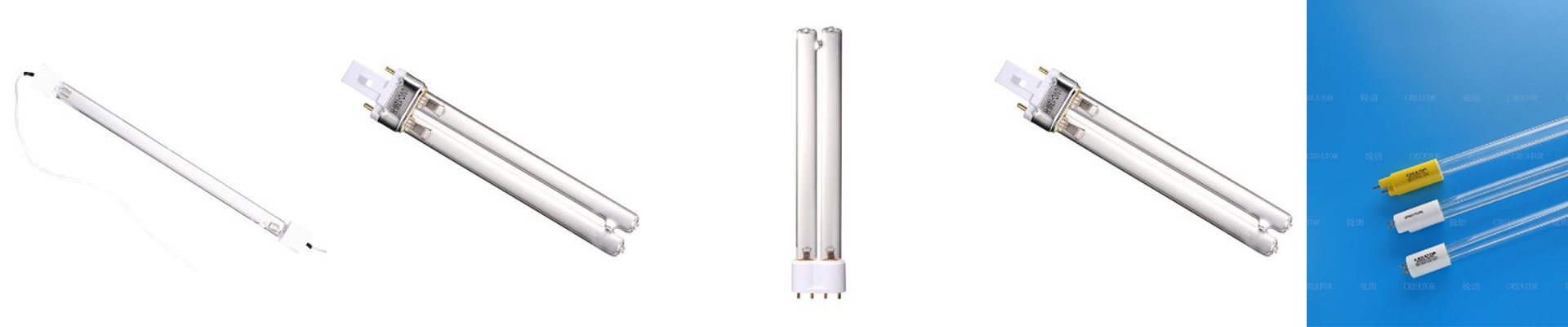
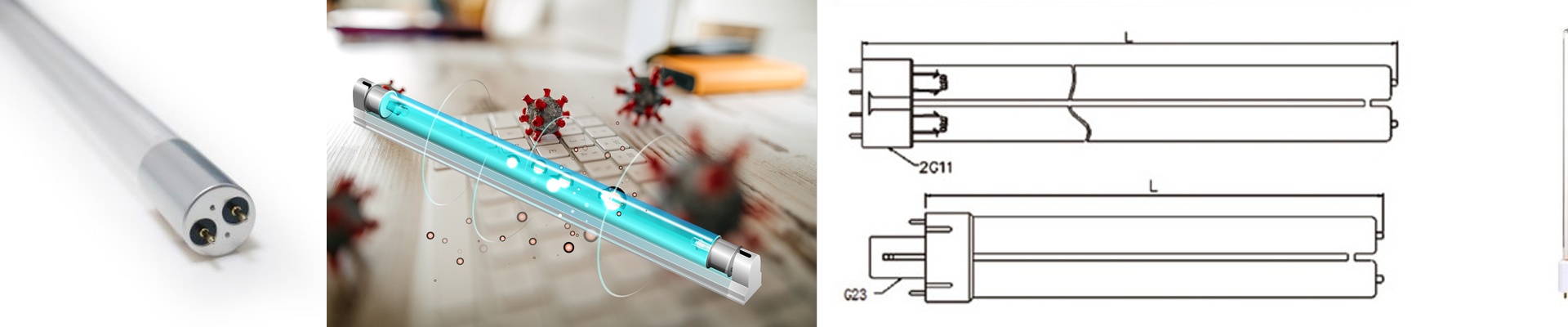
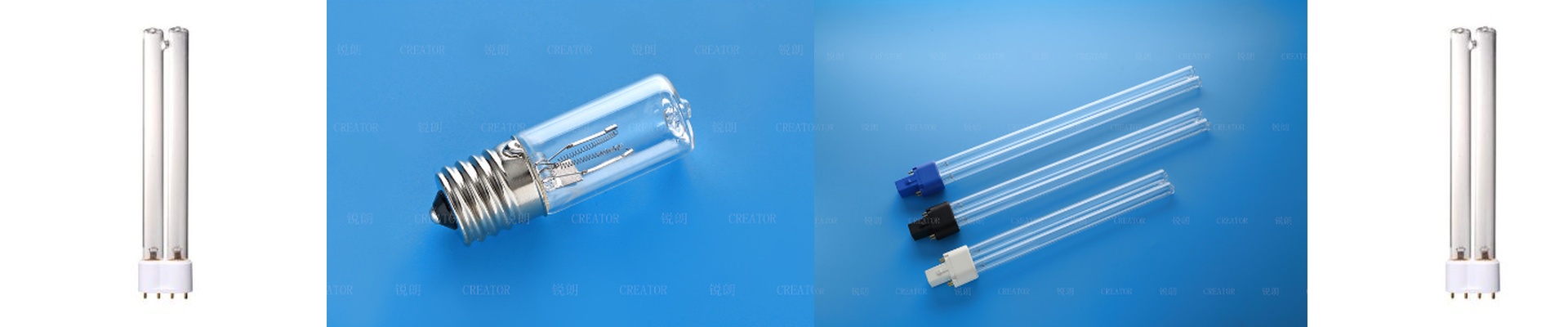
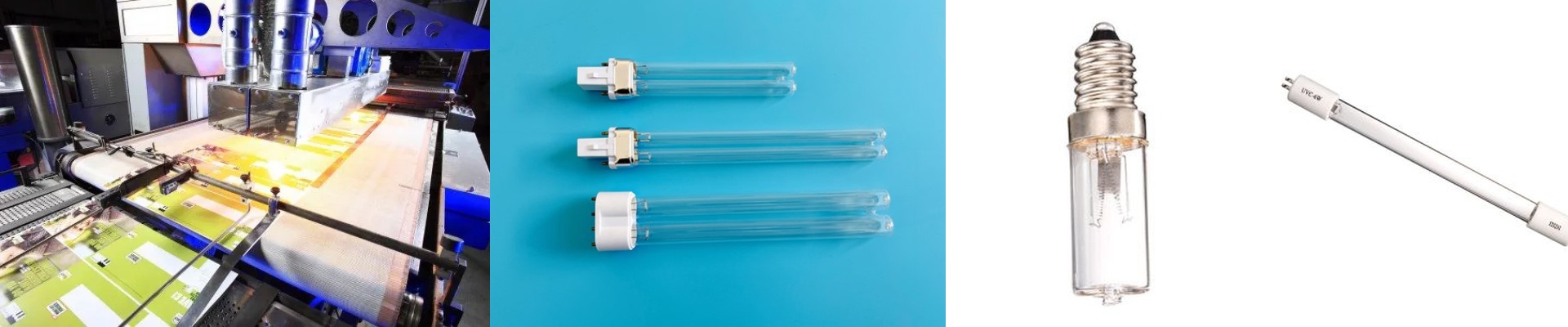
Getting the Wavelength Right: A Real Talk on High-Pressure Mercury UV
Let’s be honest: a high-pressure mercury lamp is more than just a light bulb. In a production setting, it’s basically a chemical reactor. For our 2026 lineup, we’ve been obsessing over the specific wavelength peaks. Why? Because if those photoinitiators in your resins don’t trigger at the exact right moment, the whole process falls apart.
Pressure, Power, and the Heat Problem
Here is how it works. We compress the mercury vapor to crank up the intensity of the UV-C and UV-B bands. We push for high wattage density because you need a massive flood of photons to get that rapid cure. But there’s a catch. When you ramp up the internal pressure, the spectral lines shift. We spend a lot of time calibrating this so the light hits the exact absorption peaks your material needs. And then there’s the heat.A lot of it. If your cooling manifold isn’t built to handle the wattage, you’re asking for trouble. The quartz envelope will stress out and burn out way faster than it should. Don’t skim on the cooling.
The Hardware: Quartz and Connections
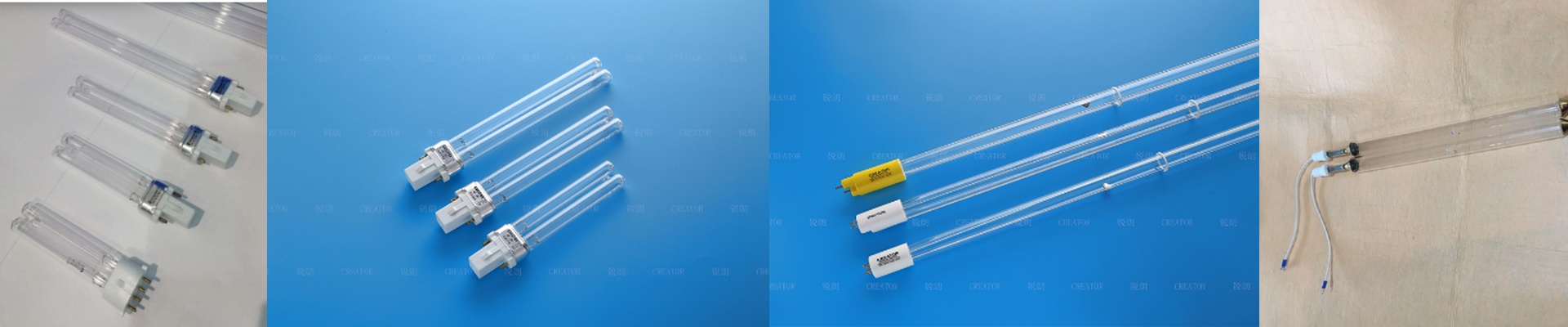
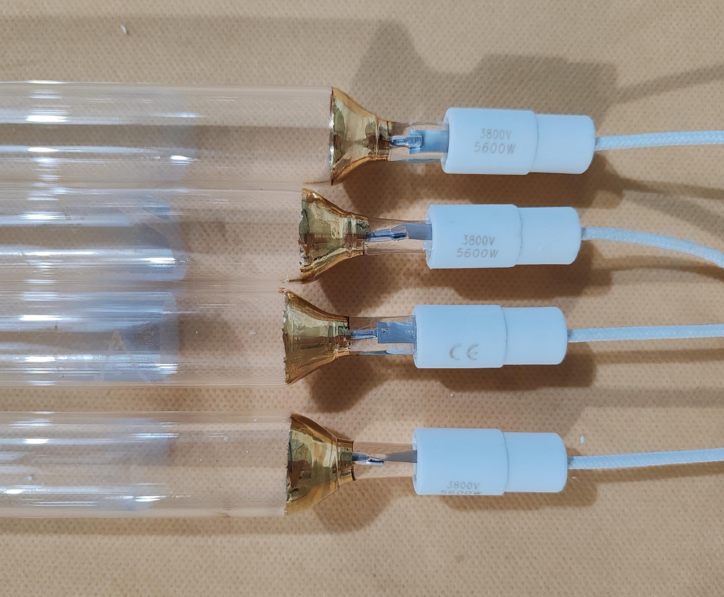
We use high-purity fused quartz for a reason. Standard glass is a wall—it blocks the very wavelengths you’re paying for. For the 2026 versions, we’ve tweaked the internal coating and the gas mix to keep the arc steady. We also stopped messing around with loose tolerances on the connectors. Arcing at the base is a nightmare. A tight, secure fit means no voltage drops, which means your cure rate stays consistent from one end of the tube to the other.
Real-World Use (and the Trade-offs)
These lamps are absolute workhorses. If you’re doing PET blowing or running high-speed coating lines, they’re perfect because you get a ton of UV power in a tiny footprint. But they aren’t perfect. They aren’t “instant-on” devices. You’ve got to account for the strike time and the ballast requirements when you’re wiring everything up. Plus, if you’re just looking for a drop-in replacement, do yourself a favor: double-check that your ballast output matches our voltage requirements. If it doesn’t, you’ll probably pop the lamp the second you flip the switch.