Stopping the Noise: Keeping Your UV Systems Steady in a Crowded Shop
If you’ve got a few massive printing presses running in one room, you know exactly how “noisy” the electricity gets. Between the high-voltage power supplies and those heavy-duty motors, there’s a lot of invisible chaos happening in the air. If your UV lamps aren’t built for that kind of environment, things go south quickly. You’ll see flickering, your curing becomes a guessing game, or—worst case—your ballast just gives up the ghost.
Why things go wrong when you crowd the floor
Most UV lamps struggle here because they just aren’t shielded. When the machine next door kicks in, it sends a surge of electrical noise (inductive loads) right into your circuitry. We tackle this by baking reinforced EMI filtering and stabilized power modulation right into our OEM/ODM designs. It basically acts as a wall. Those voltage spikes from the press next door can’t bleed into your lamp’s arc. The result? Your output stays rock solid, no matter how many machines are cycling on and off around you.
Real hardware, not software tricks
Here is the thing: we don’t believe in “software fixes” for electrical noise. You can’t code your way out of a physical interference problem. Instead, we focus on the actual guts of the machine. We isolate the high-frequency switching parts and use shielded cabling to keep the signal clean. We use physical barriers to block the noise. It’s old-school, but it works.
The trade-off (because there’s always one)
Now, there is a catch. Adding all that heavy-duty shielding and filtering takes up more space. It makes the power supply a bit bigger, and it generates a little more heat inside the housing. Just make sure your cabinet ventilation is up to the task. As long as the filters can breathe, you’re golden.
Getting it into your press
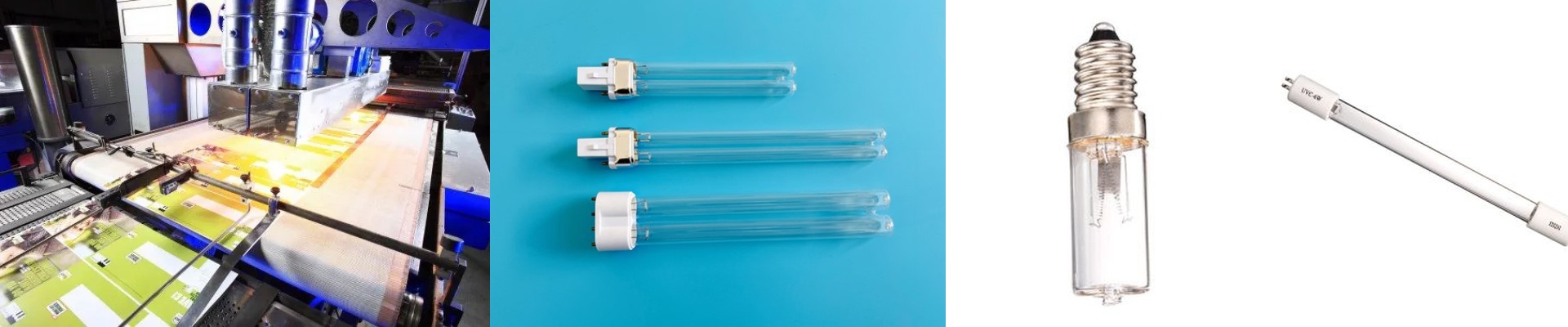
For the folks building custom presses, our units are designed to be simple drop-in replacements. We’ve put these through the ringer in shops where five or more presses are running side-by-side. No dips. No random spikes. Just a flat, steady line of power and consistent UV irradiance across the entire web. It just works.