


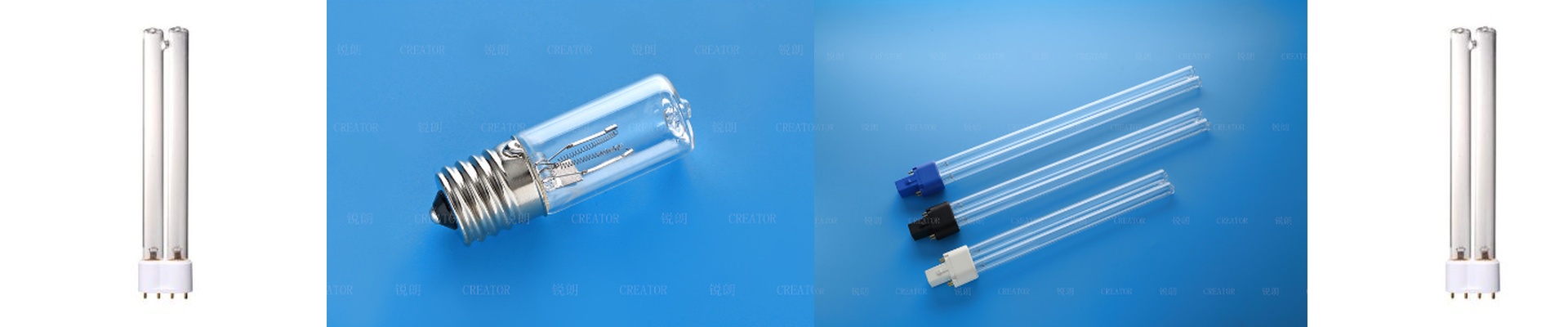
Why Generic UV Lamps Usually Fail (And How We Fix It)
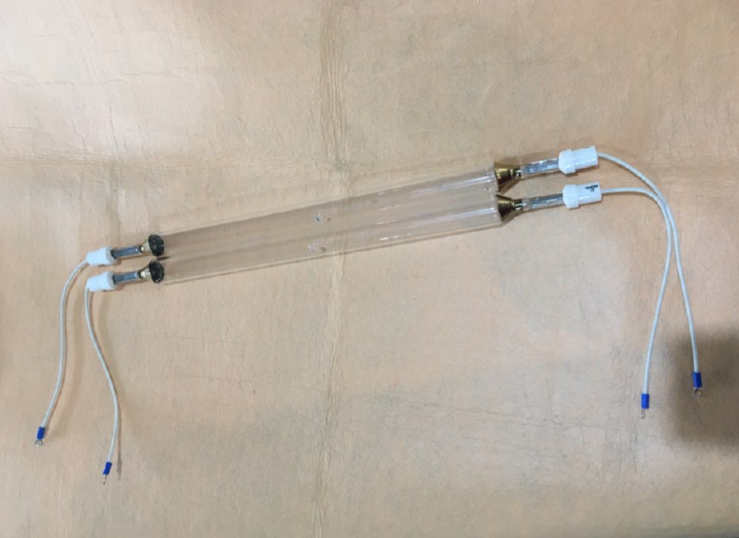
Most UV lamps you buy off the shelf are “broad spectrum.” In plain English? They throw a lot of light at the wall and hope some of it works. But if you’re doing high-precision industrial work, that’s a problem. You don’t need “some” light. You need the exact energy level required to snap a specific chemical bond or cure a resin perfectly. If you’re off by a hair, the whole batch is ruined. Getting the wavelength right We don’t guess. We tweak the gas fill and the quartz doping until the light hits exactly where it needs to. Whether you’re looking for that 254nm sweet spot for sterilization or a tight UV-A range for photo-initiators, we adjust the internal pressure and the electrode geometry to make it happen. Then, we run it through a spectrometer. We check it, and check it again, to make sure that peak wavelength doesn’t drift once it’s in your hands. The heat problem Here’s the thing about quartz: the material determines how much light actually makes it out of the tube. We use high-purity synthetic quartz because it doesn’t soak up the light. But there’s a trade-off. When we crank up the wattage to get you more irradiance, things get hot. Really hot. You’ll need to make sure your cooling manifolds or air-flow systems can actually handle that thermal load. If they can’t, you’re just looking at a premature filament burnout. It’s a waste of money and time. Fitting into your setup We build these to be drop-in replacements. We’re not interested in “close enough.” If you send us a CAD drawing with specific end-cap dimensions or weird lead-wire lengths, that’s exactly what you get. We steer clear of generic fittings because that’s how you get arcing. Every connection is tightened down hard to stop voltage leaks at the base. It just works. At the end of the day, matching the wavelength to your material is the only way to stop over-curing or under-curing your substrate. We’ll give you the raw spectral distribution data so you can wire it up and set your conveyor speed based on the actual microwatts per square centimeter. Simple as that.