

Getting UV Curing Right: The Truth About High-Pressure Mercury Lamps
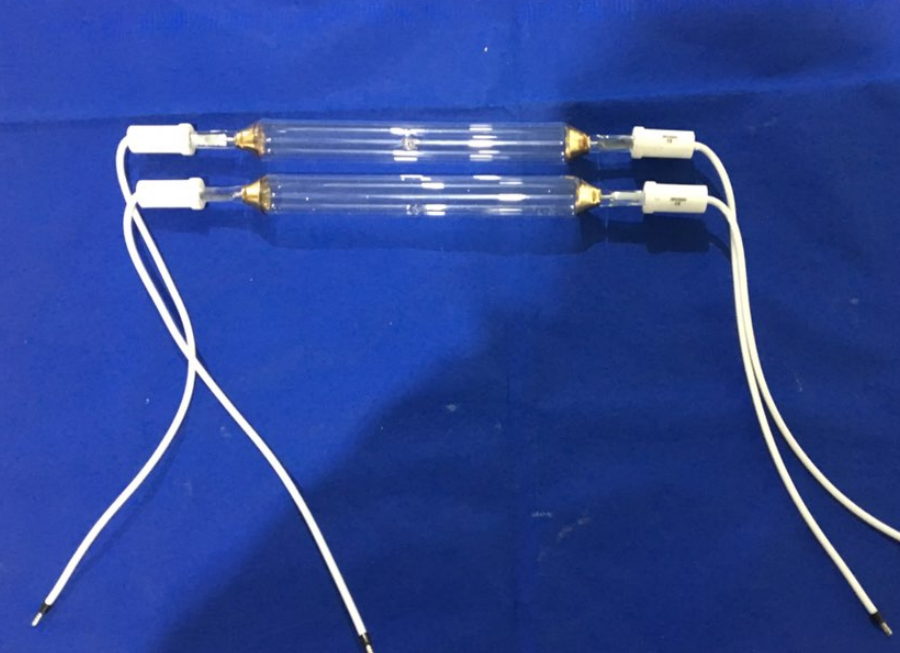
Ever wonder how a liquid ink turns into a rock-solid, durable print in the blink of an eye? It all comes down to these high-pressure mercury lamps. We build them to pump out the exact kind of short-wave UV light needed to trigger that “snap” from liquid to solid in a matter of milliseconds. Heat is the enemy. The more power you push through the tube, the more UVC and UVB photons you get. That’s great for your line speed—you can run your machines faster than ever. But there’s a catch. That kind of energy creates an intense amount of heat. If your cooling fans or water jackets aren’t up to the task, things go south quickly. You’ll end up with burnt-out electrodes or, worse, a cracked quartz tube. It’s a delicate balance. Why the materials matter We don’t use regular glass because it basically acts like a wall to UV light. Instead, we use high-purity fused quartz. It’s clear, it’s tough, and it lets the UV rays fly right through. We also obsess over where the electrodes sit. If they’re off by even a bit, the arc can start “wandering.” When that happens, you get patchy curing—some spots are hard, others are still sticky. To make your life easier, we design these to be drop-in replacements. They fit your existing reflectors perfectly, so you aren’t spending your weekend hacking your machine to make them fit. The real-world grind In a busy print shop, the only thing that matters is getting “tack-free” results. Whether you’re printing on PET, PVC, or paper, you need that ink to set instantly. But here’s a tip: make sure your ballast matches the lamp’s impedance. If they don’t play nice, the lamp will flicker or just refuse to start. Consistency is everything. If the light intensity dips for even a second, you’ve got uncured ink and a pile of wasted material. When you’re running 24/7 shifts, that steady mercury vapor pressure is what ensures the ten-thousandth sheet looks exactly like the first one.