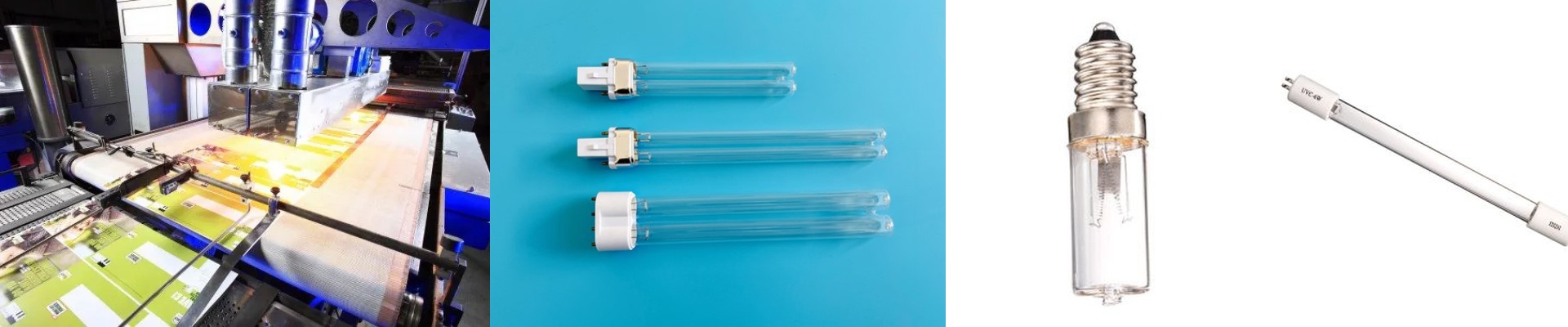
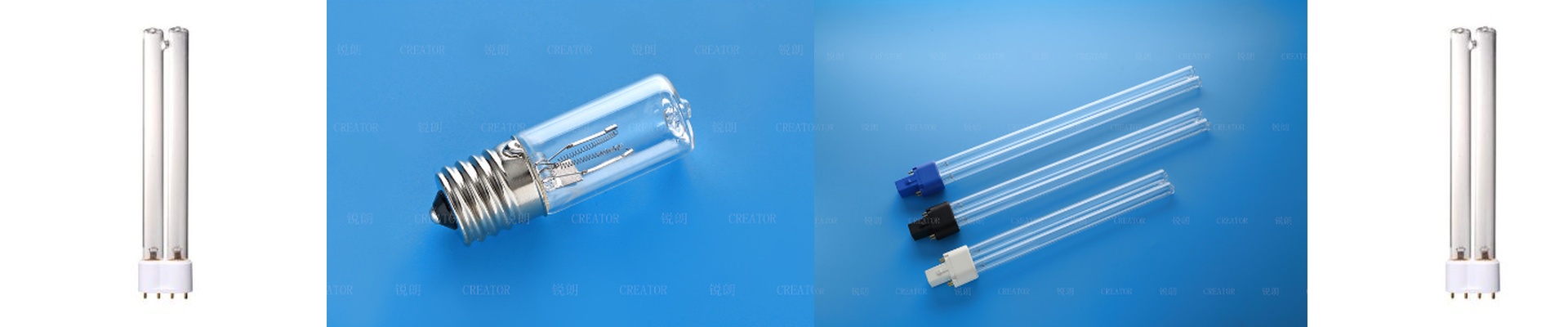
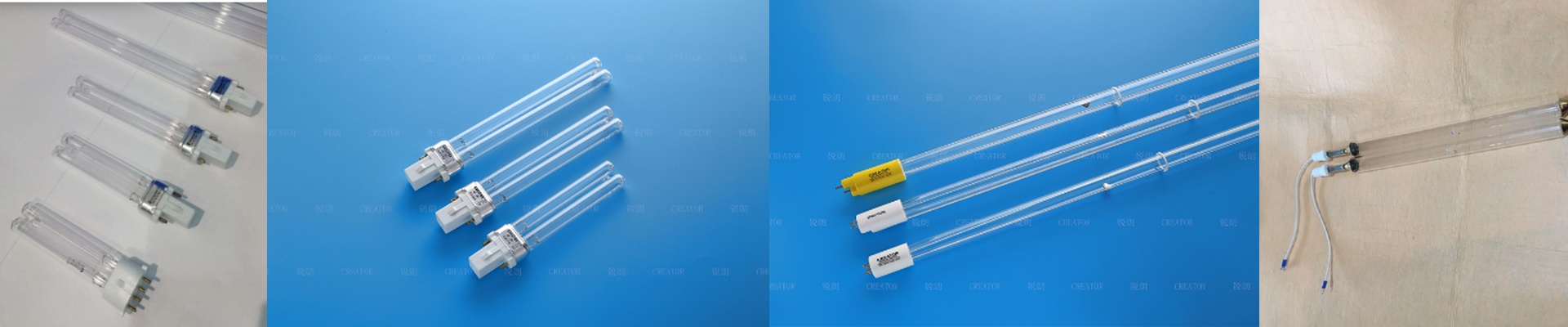
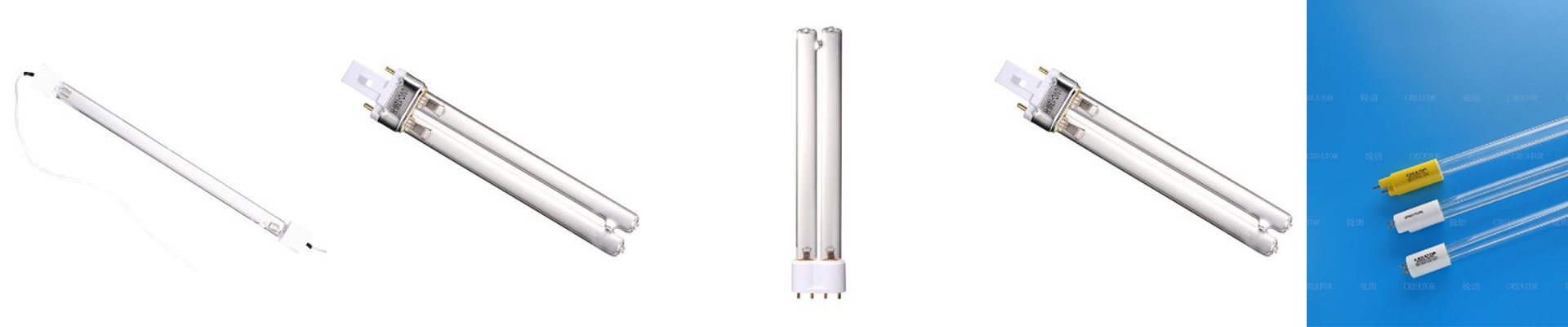
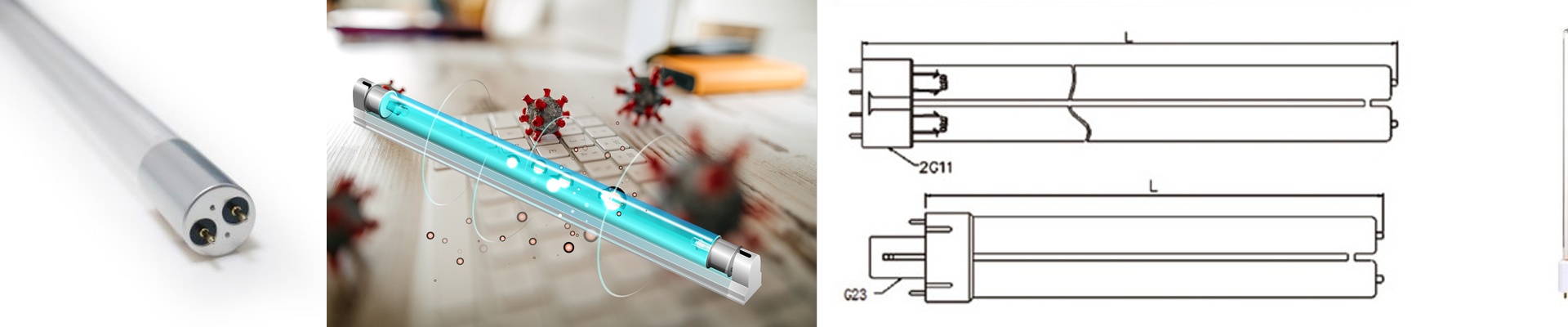
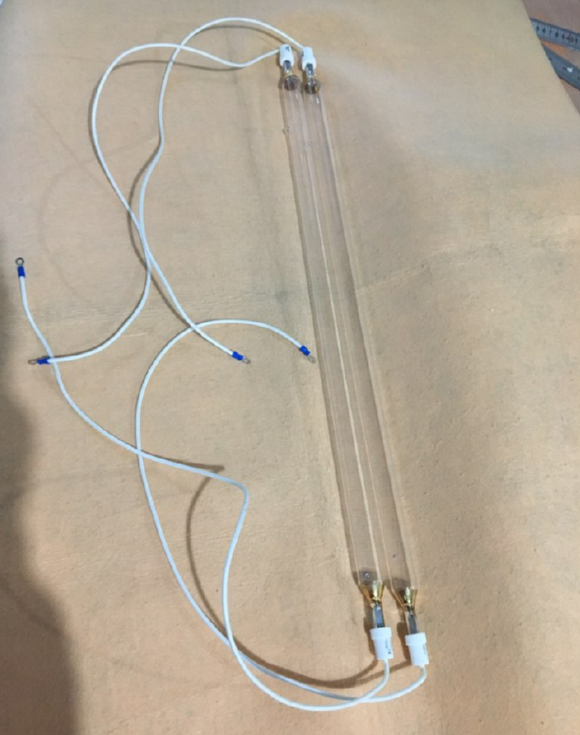
Out on the floor, the print head lays down ink on metal or glass that doesn’t give an inch. This job isn’t about top speed—it’s about adhesion that survives thermal cycling, solvents, and the rough handling that comes later. If the UV lamp doesn’t pull its weight, the ink stays tacky, cross-linking never finishes, and the first pass fails inspection. That isn’t a hypothetical. It’s scrap, rework, and a schedule that immediately slips. We built this UV curing lamp for 3D printing workflows that run on tough substrates—metals, glass, and engineered surfaces that demand extreme, repeatable adhesion. It delivers the photon density needed to drive full cross-linking through the ink film, even when the ink chemistry is tuned for toughness instead of fast surface skinning.
What matters, technically
Curing isn’t just “UV light.” It’s spectral output, irradiance, and delivered energy density that have to match the photoinitiator package and the ink film thickness. For metal and glass printing, the lamp has to punch through with stable, deep penetration—no under-curing at the interface. We run a high-pressure mercury vapor lamp with a tailored emission profile, engineered to hit the strong mercury lines that drive photopolymerization—especially at 365 nm and 385 nm—while keeping enough output around 405 nm for formulations that rely on longer-wavelength initiation. The reflector assembly uses a dichroic coating to bounce UV back onto the substrate and filter infrared, which cuts heat load on the printed part and protects the 3D printing optics nearby. The performance numbers are measured, not marketing:
- Peak irradiance is specified at the work plane, typically exceeding 1.5 W/cm² (measured with a calibrated spectral radiometer at the intended focal distance).
- Delivered energy density is repeatable, routinely hitting 500–1,200 mJ/cm² in a single pass, depending on line speed and lamp configuration.
- Spectral stability is maintained across lamp life, with output variance held within ±3% on the dominant lines.
- Lamp life targets 5,000–8,000 hours, with output decay held under 5% over the first 5,000 hours when operated within rated conditions.
- Ozone-free operation comes from a quartz envelope with an optimized coating, keeping ozone generation below detectable thresholds in the print chamber. The lamp is built to integrate cleanly. It supports standard electrical interfaces and mechanical mounting footprints common to industrial 3D printing platforms, so you can drop it into an existing build without redesigning the whole system.
Why it works where it matters
Metal and glass don’t forgive much. Adhesion fails when the ink-to-substrate bond is strong but the ink itself is under-cured. Under-curing shows up as poor solvent resistance, low hardness, and weak interlayer strength—exactly the weak spots that show up when you try to finish, coat, or assemble the part. High irradiance changes the equation. It pushes photoinitiators to generate radicals faster and more uniformly through the film, enabling full cross-linking even in thicker layers and in ink formulations built for durability. On metal, that means the ink cures through to the interface, not just at the surface, so adhesion holds under bending and thermal stress. On glass, it means a cure that survives post-processing—cleaning, coating, and handling—without blooming or delamination. In practice, you get:
- Higher first-pass yield on the toughest substrates.
- Consistent cure at higher line speeds, when the process has to keep up.
- Less sensitivity to ink batch-to-batch variation, because spectral output and delivered energy stay stable.
- Fewer lamp changes, since long life and low decay keep the curing window predictable. Energy use isn’t an afterthought. Reflector efficiency and targeted spectral output reduce wasted broadband emission, so you’re not heating the chamber just to cure the ink. That keeps the part’s thermal profile under control and cuts cooling load.
The things you need to plan for
This lamp is engineered for high-intensity curing, and that comes with real constraints. Thermal management is mandatory. Mount the lamp with the specified airflow and clearance. If the fixture runs hot, irradiance drifts and lamp life shortens. Plan the cooling path as part of the integration—don’t treat it as something you tack on later. Dose control comes down to distance and speed. Peak irradiance falls off with distance following the inverse-square relationship, and energy density is the product of irradiance and exposure time. If you change print speed without adjusting lamp height or power, you change the cure dose. Calibrate once, document it, and lock the setup. Compatibility isn’t universal. The spectral output is tuned for mercury-line-driven inks. If you run LED-optimized formulations that depend on narrowband 395 nm or 405 nm with very low mercury-line sensitivity, you may need a different spectral strategy. We can match the lamp to your ink chemistry, but only if you share the photoinitiator window. And maintenance matters. Keep the window and reflector clean. A thin film of dust or outgassed organics can drop delivered UV by double digits. Measure output quarterly with a calibrated radiometer, and you’ll catch drift before it turns into scrap. If your 3D printing process targets extreme adhesion on metal or glass, the question isn’t whether UV curing matters. It’s whether your lamp is delivering the irradiance, spectral consistency, and dose repeatability required to make the bond hold—every time. This system is built to do exactly that, with stable output, long life, and performance you can measure on the line.