


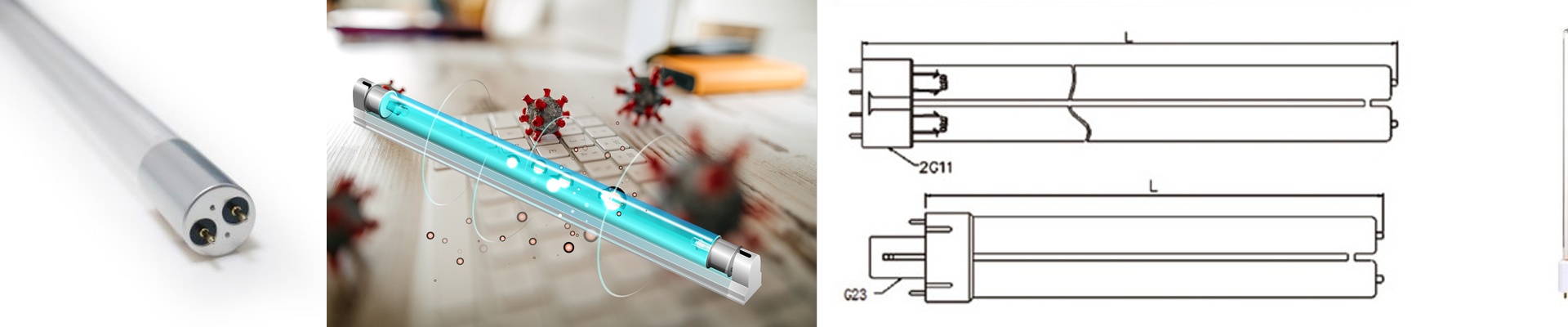
How to actually make your UV curing tubes last
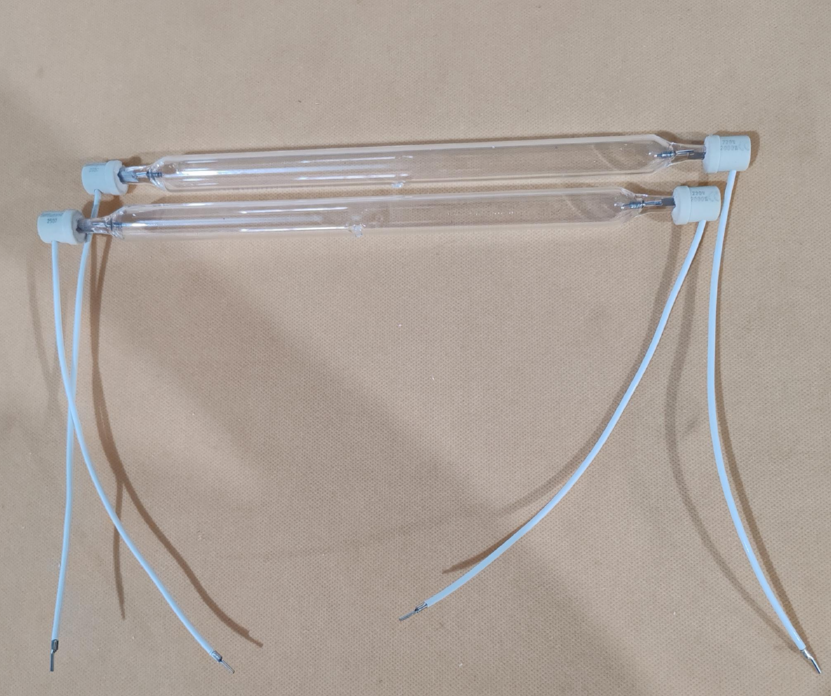
Mercury UV tubes are the heavy lifters of any printing or coating line. But here’s the thing: we don’t view these as just “parts” you swap out. We design them to work with the actual physics of your specific tunnel. Most of the time, when a tube dies early, it’s because the electrodes gave out or the quartz started to cloud over. It’s frustrating, and it kills your uptime. The secret is in the balance. To get a long life out of a tube, you need the mercury vapor pressure and the electrode materials to play nice together. We use specific tungsten alloys for the filaments so they don’t just fry under high-frequency loads. When you run these at the right wattage, everything stabilizes. You get a steady stream of UVC. But if your power supply isn’t tuned to the tube’s impedance? You’ll notice the light fading and the lifespan dropping fast. Keep it clean, keep it cool. We use high-purity fused quartz. Why? Because we want that UV radiation hitting your ink or coating, not getting trapped in the glass. But you’ve got to help the hardware. Keep the tube surface spotless. A little bit of ink splatter or a layer of dust might seem minor, but it creates a hot spot. Those hot spots stress the quartz. Eventually, the glass just can’t take it, and the tube fails. The trade-off: Speed vs. Life These tubes drop right into most standard systems without a fuss. But there’s always a catch. If you want to crank up the intensity to speed up your production line, you’re going to generate a lot more heat. It’s a simple trade. If you push the wattage, your cooling blowers need to be up to the task. Without enough airflow, the ends of the tube overheat. You’ll end up killing the lamp way before it hits its rated hours. We’re happy to sit down with you and figure out that sweet spot—balancing your line speed against the thermal limit—so you aren’t replacing bulbs every other week.