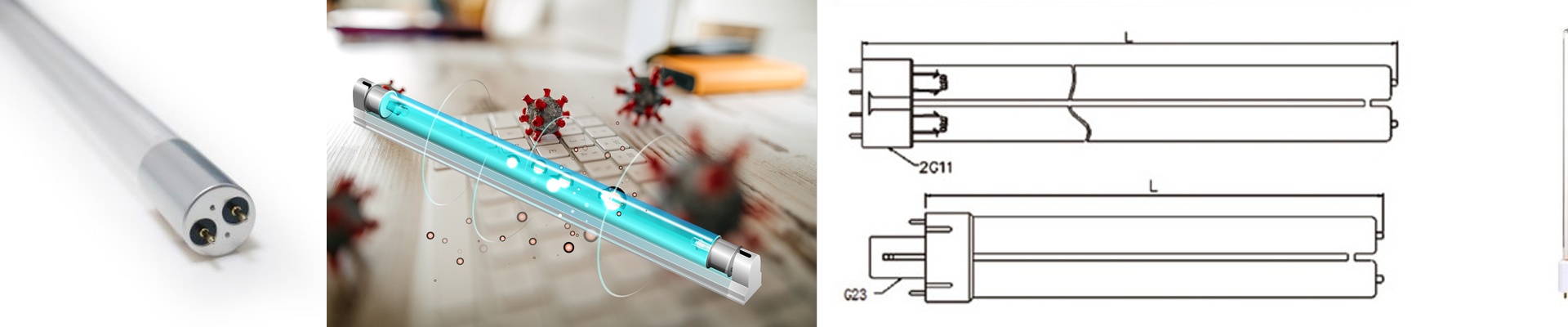
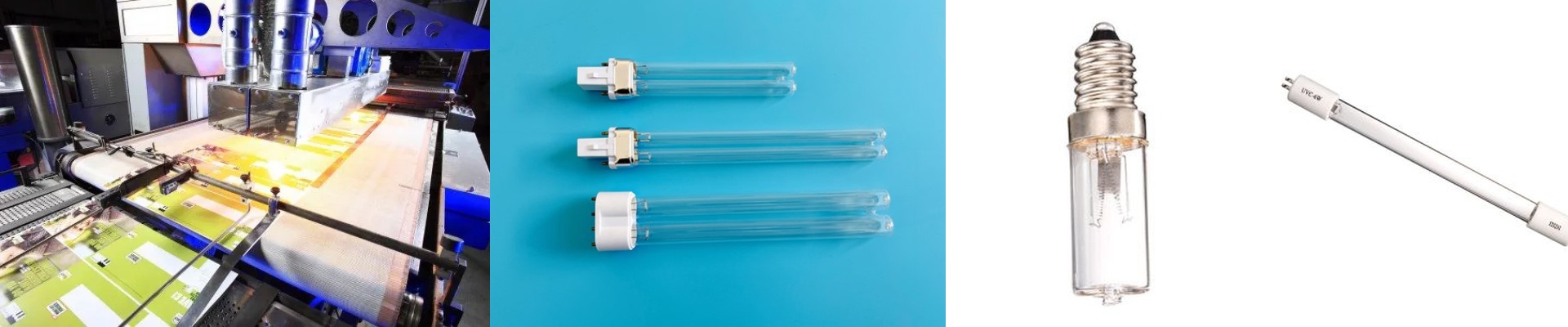
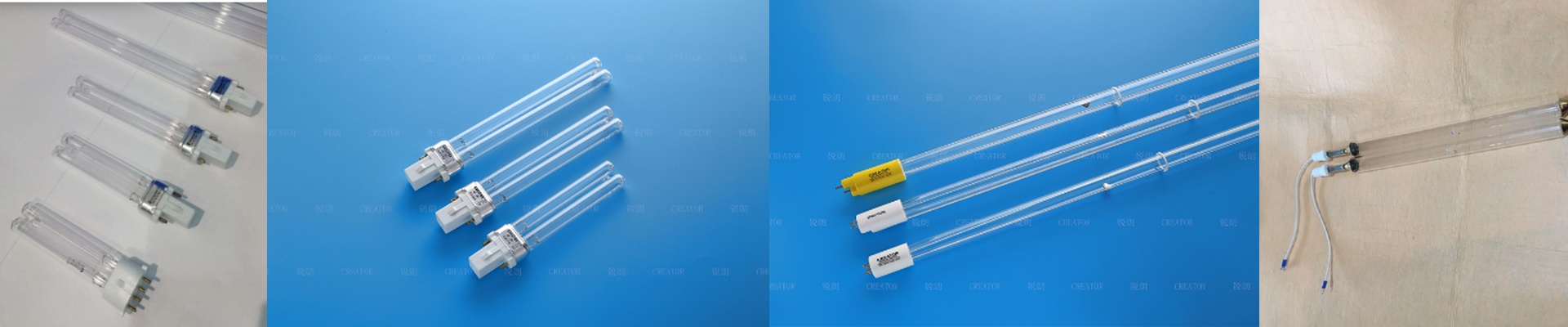
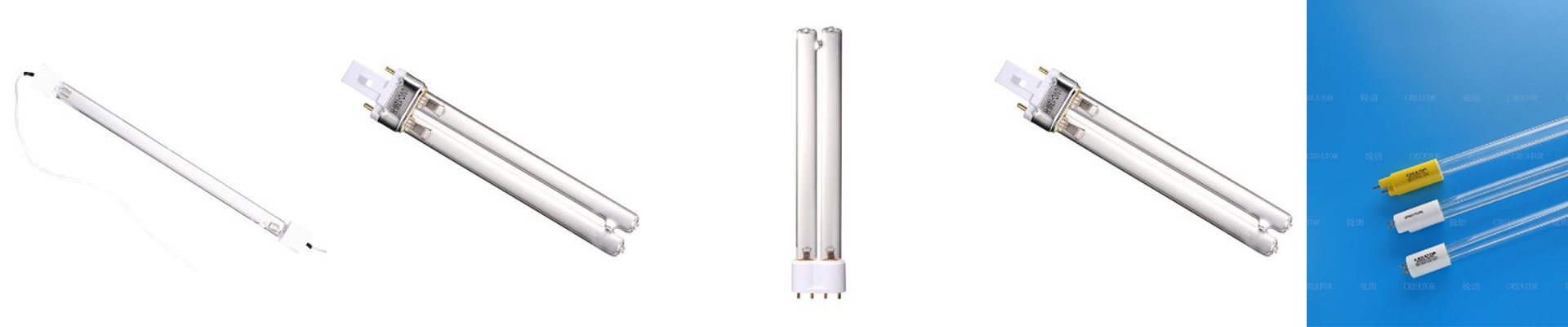
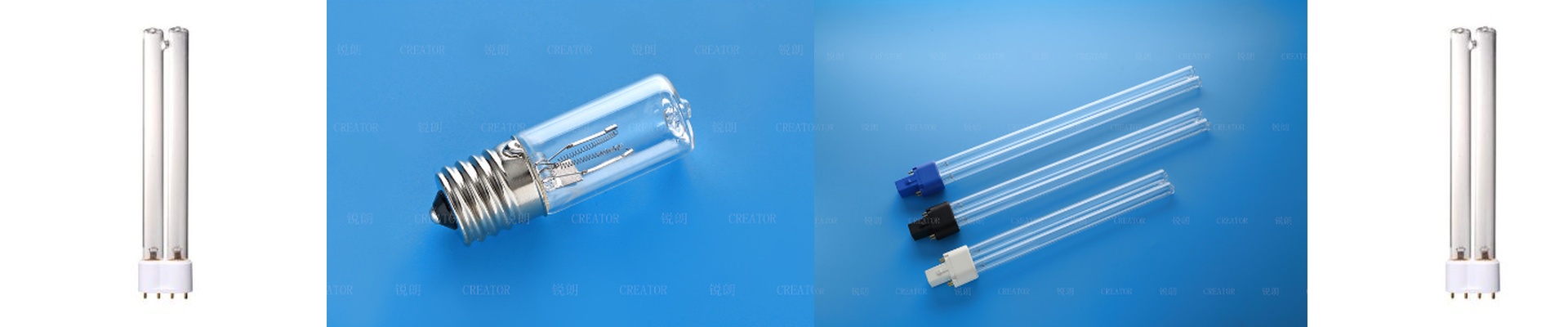
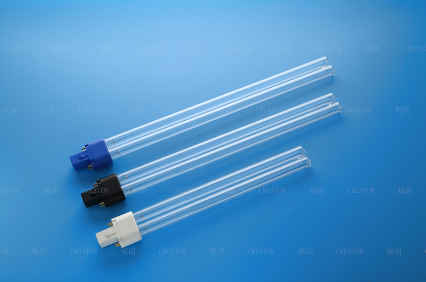
Out on the floor, any UV energy that doesn’t hit the target is just wasted heat. When your line lives and breathes on consistent cross-linking, reflector geometry isn’t a “nice to have.” It’s the difference between a stable cure and output that drifts all over the place. So the real question becomes: how do you squeeze spectral output into a tight, high-intensity beam so the photoinitiator gets the energy density it needs in a shorter dwell? Here’s the technical part that matters: the optical chain—lamp, reflector, and substrate. Our germicidal UVC T5/T8 lamps deliver a defined spectral distribution at 254nm, built for predictable photon delivery. Match that with a precision reflector, and you’re shaping the beam to fit the curing window, not just throwing light around. The payoff is straightforward: higher peak irradiance on the ink or coating, which means faster cross-linking without cranking up lamp current. And the reason it holds up on a real press is simple physics, applied to the constraints you actually run into. Tighten up reflector geometry and you cut stray radiation, so more photons get captured at the substrate. That raises the effective light intensity the photoinitiator sees, improving both cure speed and cure depth—while lowering energy draw per part. In practice, that translates to tighter process control, fewer rejects, and fewer lamp changes over a given duty cycle. One installation note: reflector alignment is critical. Even a small angular offset scatters photons, drops intensity, and creates uneven cure across the web. During commissioning, verify fixture tolerances, lamp position, and keep the reflector clean. Also, if the chamber is air-cooled, confirm you’re running an ozone-free lamp. That keeps unwanted ozone out of the system and protects downstream components.